
NEWS
STATE POLICE IN NIGERIA: A HISTORIC MILESTONE, BUT THE REAL WORK BEGINS NOW


Today’s passage of the historic State Police Bill marks a significant turning point in Nigeria’s constitutional and security history. With the passage of the Bill by the Senate, following its earlier passage by the House of Representatives, Nigeria has taken a bold and historic step toward restructuring its internal security architecture in a manner more consistent with the principles of federalism.
For many years, I have consistently advocated for the establishment of State Police as an indispensable component of a truly federal system of government. At a time when the proposal was viewed with skepticism and apprehension in some quarters, I maintained that the centralized policing structure inherited from a unitary mindset could not effectively address the peculiar security challenges confronting a vast and diverse federation such as Nigeria.
Today, that advocacy has found legislative expression. The passage of the State Police Bill represents a major milestone in Nigeria’s quest to create a more responsive, efficient, and community-oriented security framework. It is a recognition of the reality that security challenges are often local in nature and require local solutions driven by those who understand the language, culture, terrain, and dynamics of the communities affected.
The growing wave of insecurity across the country have manifested in terrorism, banditry, kidnapping, communal violence, farmer-herder conflicts, armed robbery, and other forms of criminality. These have exposed the limitations of an over-centralized policing system. For decades, security experts, constitutional scholars, traditional rulers, civil society groups, and concerned citizens have argued that effective policing must be brought closer to the people.
The National Assembly has now responded to that call.
The significance of this development cannot be overstated. It is not merely a security reform. It is a constitutional acknowledgment that the challenges of modern governance require a rethinking of old structures that have become increasingly incapable of meeting contemporary realities.
However, while the passage of the bill deserves commendation, it would be premature to conclude that the concerns surrounding State Police have been completely addressed.
One of the major fears expressed over the years has been the possibility of abuse by State Governors.
Critics have consistently warned that State Police could be transformed into instruments of political intimidation, electoral manipulation, suppression of dissent, and harassment of opposition figures.
These concerns were neither imaginary nor unfounded, given our political experience as a nation.
It is therefore reassuring that the legislative process reportedly incorporated certain safeguards aimed at preventing abuse and ensuring accountability. Civil society organisations, professional bodies, and constitutional advocates had consistently called for institutional checks and balances to prevent the emergence of what some described as “Governor-controlled police forces.”
Whether the safeguards contained in the bill are sufficient to achieve that objective remains an issue that can only be tested by experience and implementation. The true measure of the reform will not lie in the text of the law alone but in the strength of the institutions established to enforce it.
For State Police to succeed, recruitment, promotion, discipline, and operational control must be insulated from partisan political interference. Oversight mechanisms must remain independent and effective and human rights protections must be rigorously enforced.
Most importantly, the judiciary must remain vigilant and prepared to intervene whenever constitutional boundaries are threatened by government officers.
Yet beyond these concerns lies an even more fundamental issue that has not received the attention it deserves. And that is that State Police cannot fully achieve its objectives in the absence of functional local government administration.
This point cannot be overemphasized.
Security is most effective when it is rooted in the community. Intelligence gathering, crime prevention, dispute resolution, and early warning systems all begin at the grassroots. The local government is constitutionally designed to be the closest tier of government to the people and should ordinarily serve as the foundation upon which community security structures are built.
Unfortunately, the reality in many parts of Nigeria is that local governments have become weak institutions with limited autonomy, inadequate resources, and diminished capacity to perform their constitutional responsibilities. In some cases, they exist largely as administrative extensions of state governments rather than independent centres of grassroots governance.
This reality raises an important question and that is whether State Policing system can truly succeed if the local government system remains dysfunctional?
My answer is that it would be extremely difficult.
The mere transfer of policing powers from the Federal Government to State Governments does not automatically translate into effective grassroots security. Without strong local institutions capable of facilitating community engagement and intelligence gathering, the security architecture will still suffer from a disconnect between law enforcement agencies and the people they are expected to protect.
A truly effective federal security structure should mirror Nigeria’s three-tier system of government. The Federal Government should continue to handle national security, terrorism, border protection, and inter-state crimes while State Governments should coordinate state-level policing and law enforcement. On the other hand, Local Governments should serve as the grassroots hubs for community policing, local intelligence, conflict prevention, and citizen participation.
Anything short of this integrated approach may produce a State Police system that is operationally active but strategically incomplete.
As Nigeria moves closer to implementing this historic reform, policymakers must therefore look beyond the constitutional amendment itself and focus on the broader institutional ecosystem necessary for its success. These include strengthening local government autonomy, empowering community security structures, promoting transparency, ensuring professional recruitment standards, and guaranteeing effective oversight mechanisms.
The passage of the State Police Bill is undoubtedly a landmark achievement. It reflects the willingness of the present 10th National Assembly to confront one of the most pressing challenges facing the nation and to embrace reforms that many considered inevitable.
However, history teaches us that the success of any constitutional reform is determined not by its enactment but by its implementation.
The task before Nigeria is therefore not merely to celebrate the birth of State Police, but to ensure that it evolves into a professional, accountable, community-driven institution capable of enhancing security without undermining democratic freedoms.
As one who has long advocated for this reform, I welcome this historic milestone. Yet I also recognize that the journey has only just begun. The real work now lies in building the institutions, safeguards, and grassroots structures that will transform State Police from a constitutional provision into a genuine instrument of peace, security, and national development.
If we get it right, which is a prayer point for me, future generations may look back on this moment as the beginning of a new era in Nigeria’s security governance. If we get it wrong, we may merely have decentralized existing problems without solving them.
The choice, and the responsibility, now belong to all of us.
Dr M.O. Ubani SAN
Legal Practitioner/ Policy Analyst.

Barr. Kelechi Ozioma Onyeobia, the African Democratic Congress (ADC) candidate for the Obingwa, Osisioma and Ugwunagbo Federal Constituency, has called for stronger party unity, strategic planning and intensified grassroots mobilisation ahead of the 2027 general elections.
On Wednesday, October 21, 2026, Onyeobia held an interactive meeting with the ADC Osisioma 5-Arms Local Government and Ward Executives in Osisioma Ngwa, Abia State, to assess the party’s progress, review mobilisation strategies and identify areas requiring improvement.
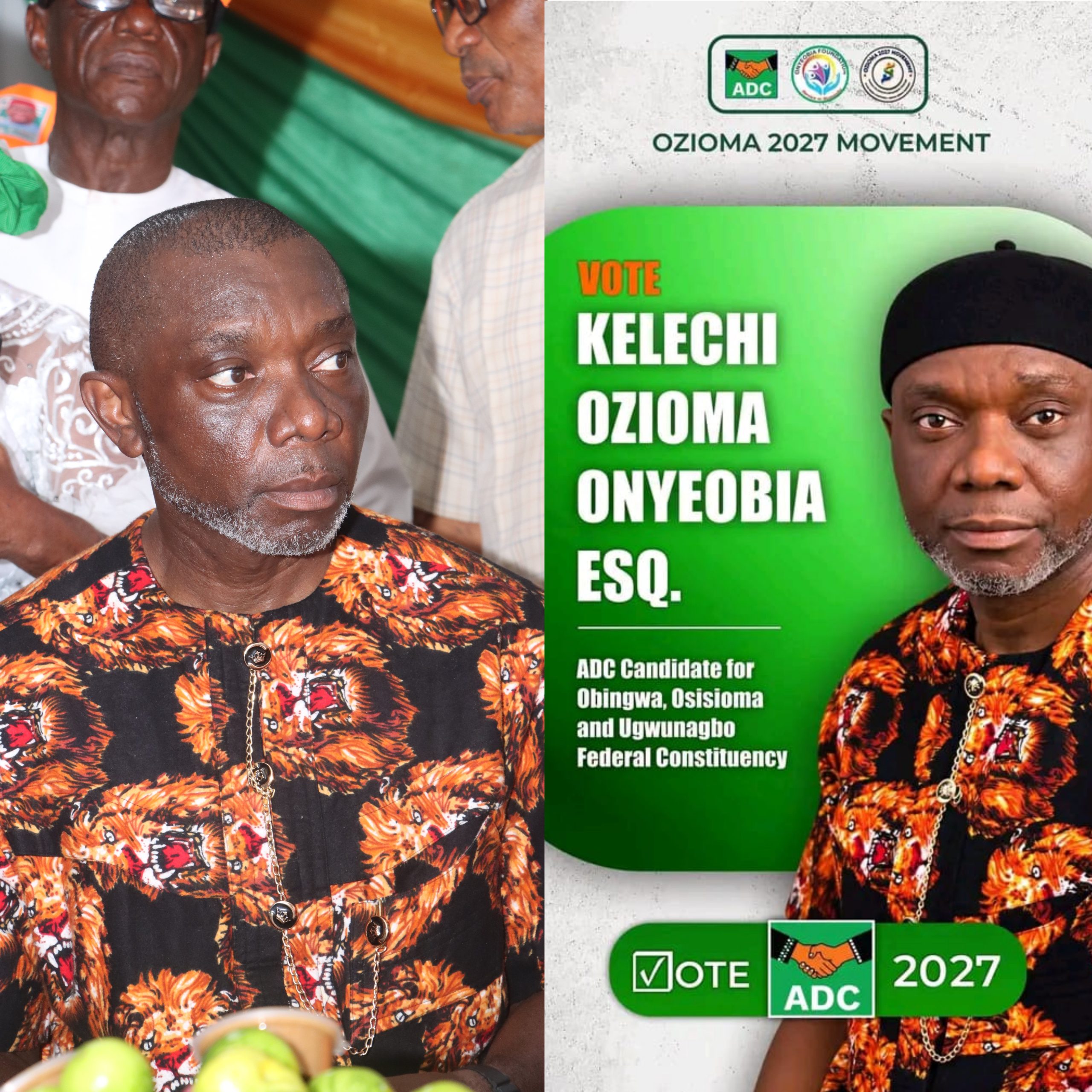
Speaking at the meeting, the ADC Chairman in Osisioma Ngwa, Hon. Obioma Ogbonna, commended the candidates for their commitment to the party’s growth and pledged continued support, urging leaders and stakeholders to sustain cooperation.
Other party leaders, including Hon. Emeka Ahukanna, ADC LGA Secretary; Hon. Michael Onyekwere, Ward 1 Chairman; and Hon. Chibuzor Akokwu, Ward 6 Chairman, highlighted ongoing efforts to strengthen the party through ward level engagement and grassroots mobilisation.
Similarly, Hon. Dan Onwutuebe, Osisioma Ngwa Coordinator of the Atiku Abubakar/Rotimi Amaechi Campaign Organisation, expressed confidence in Onyeobia’s candidacy and urged members to work collectively towards electoral victory in 2027.
The Deputy Director General and Osisioma Coordinator of the Ozioma Movement, Hon. Obinna Otuonye, also encouraged members to spread the OZIOMA message across communities, assuring them of an inclusive movement guided by the popular Igbo expression, “Onye ruo ma, ya eri ma”, emphasising the principle that everyone should have a role in collective progress.
Addressing the executives, Barr. Onyeobia urged them to remain united, proactive and committed to delivering victory for all ADC candidates. He stressed the need for consistent community engagement, wider dissemination of the party’s message and stronger collaboration among leaders and stakeholders.
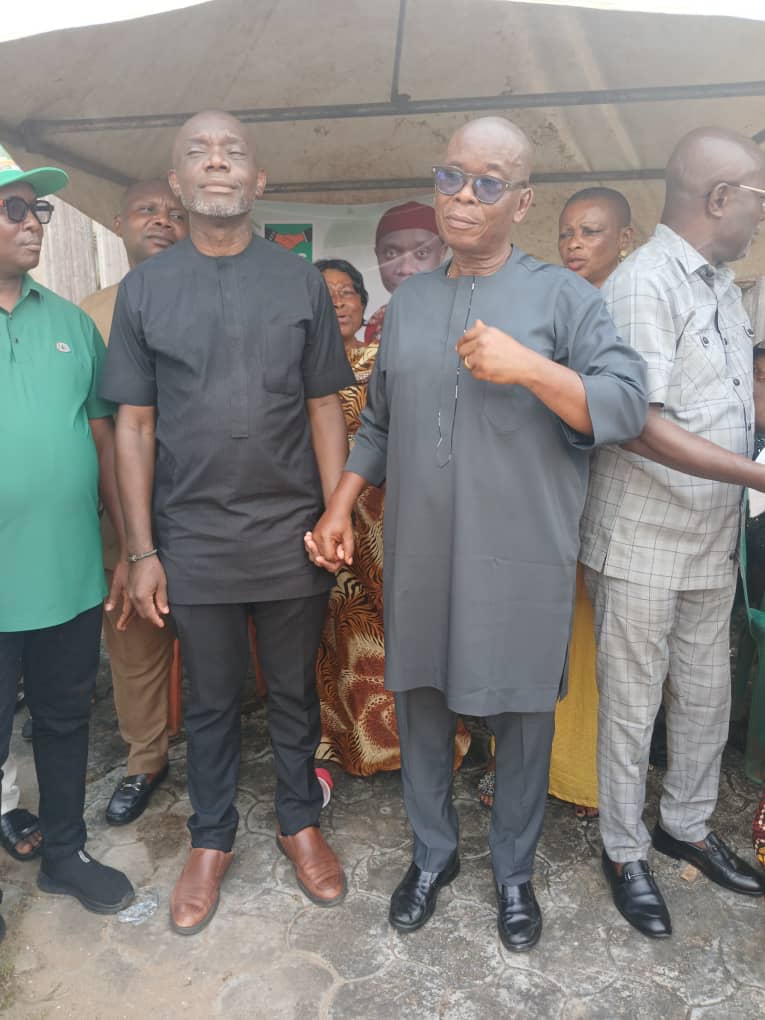
He reaffirmed his commitment to working closely with party structures to build a stronger, more inclusive and electorally competitive ADC across the federal constituency.
The meeting underscored the importance of grassroots participation, effective leadership and party unity as the ADC intensifies preparations for the 2027 general elections.
NEWS
UBANI SAN CHARGES NBA ORON ON ACCOUNTABILITY, SECURITY AND PROFESSIONAL EXCELLENCE AS BAR CENTRE PROJECT TAKES OFF
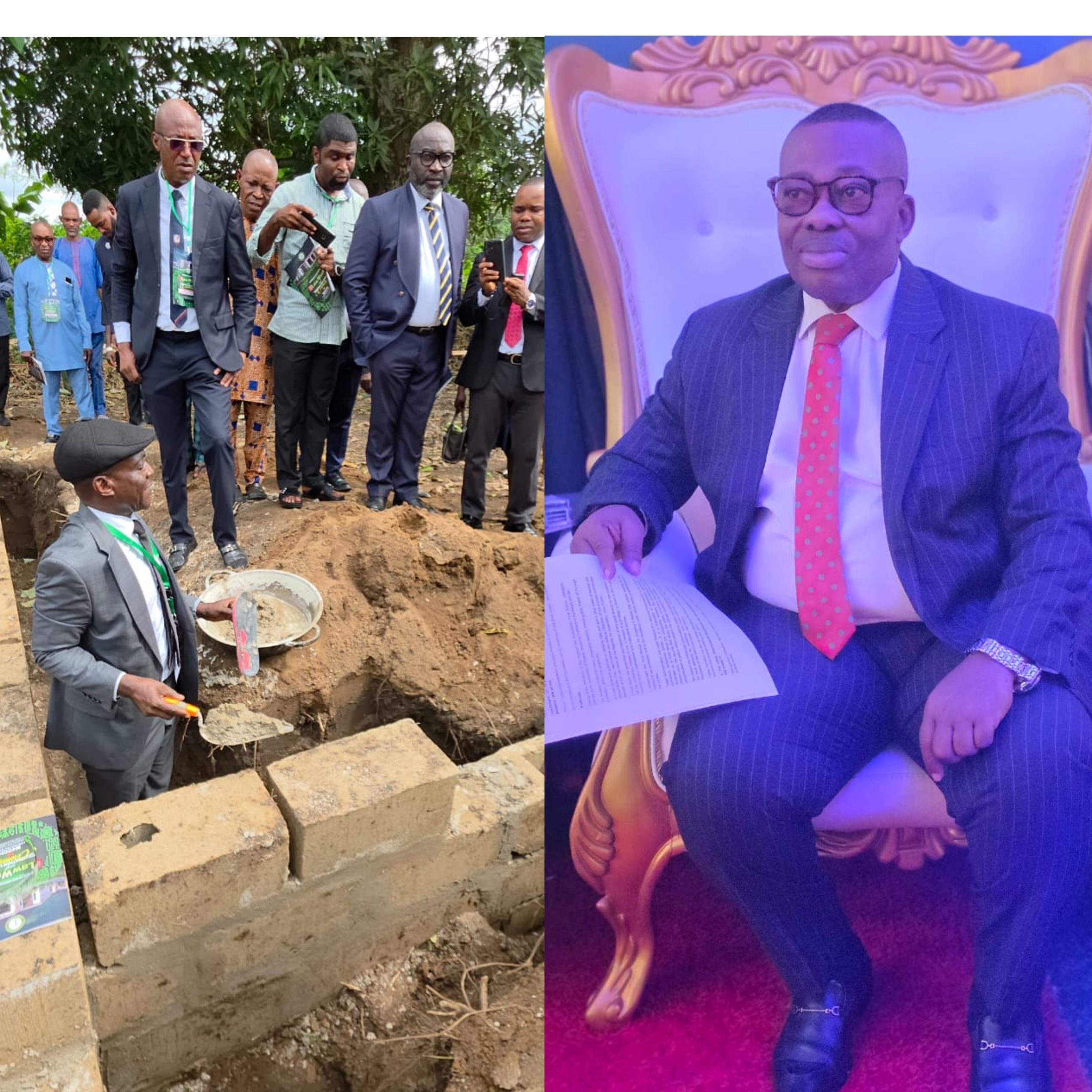
Senior Advocate says proposed NBA Oron House must promote mentorship, unity, institutional integrity and access to justice.
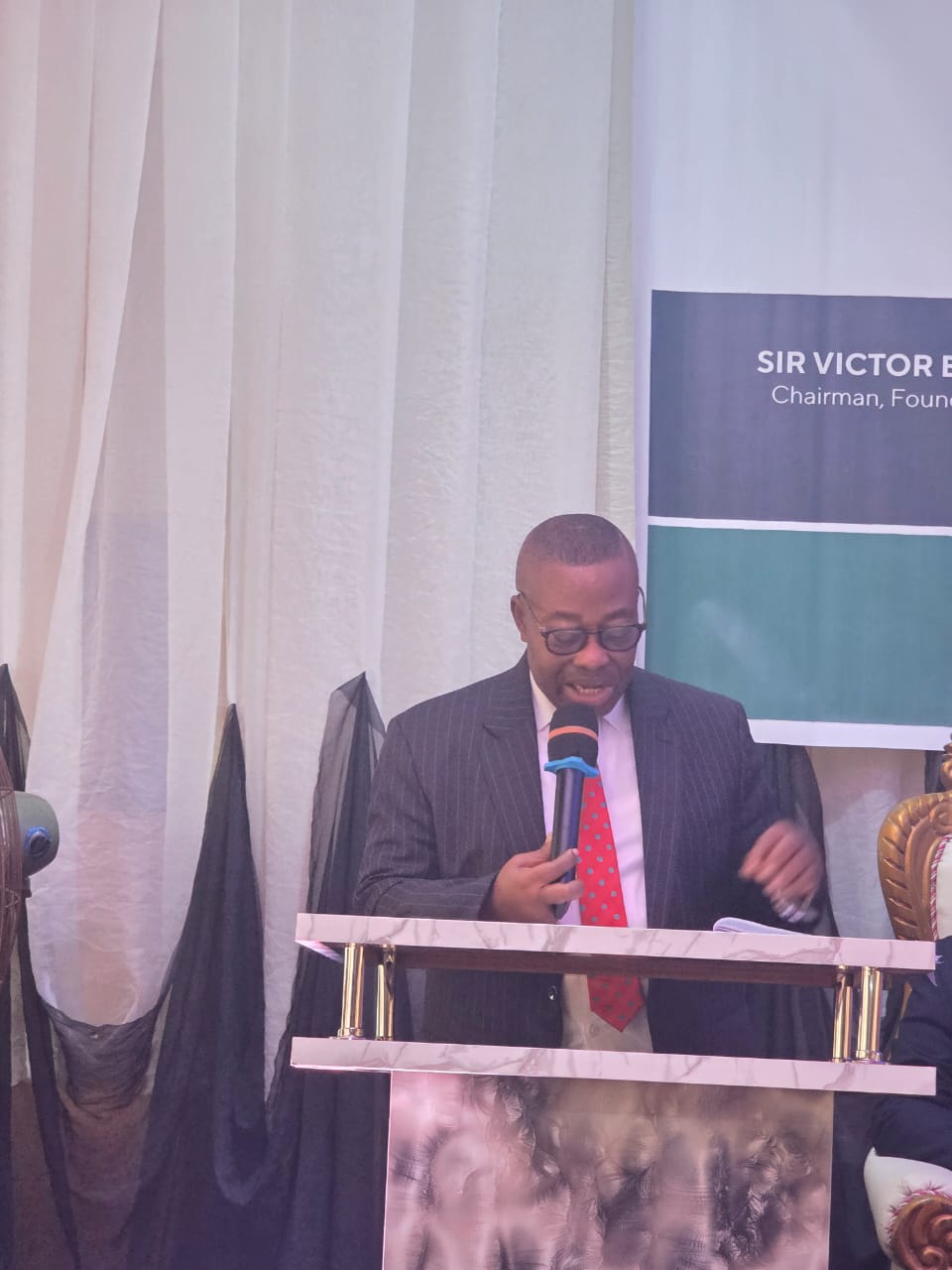
Dr. Monday Ubani, SAN, has called for a secure, dignified and professionally supportive environment for legal practitioners, stressing that the independence and safety of lawyers remain fundamental to the protection of the rule of law and the effective administration of justice in Nigeria.
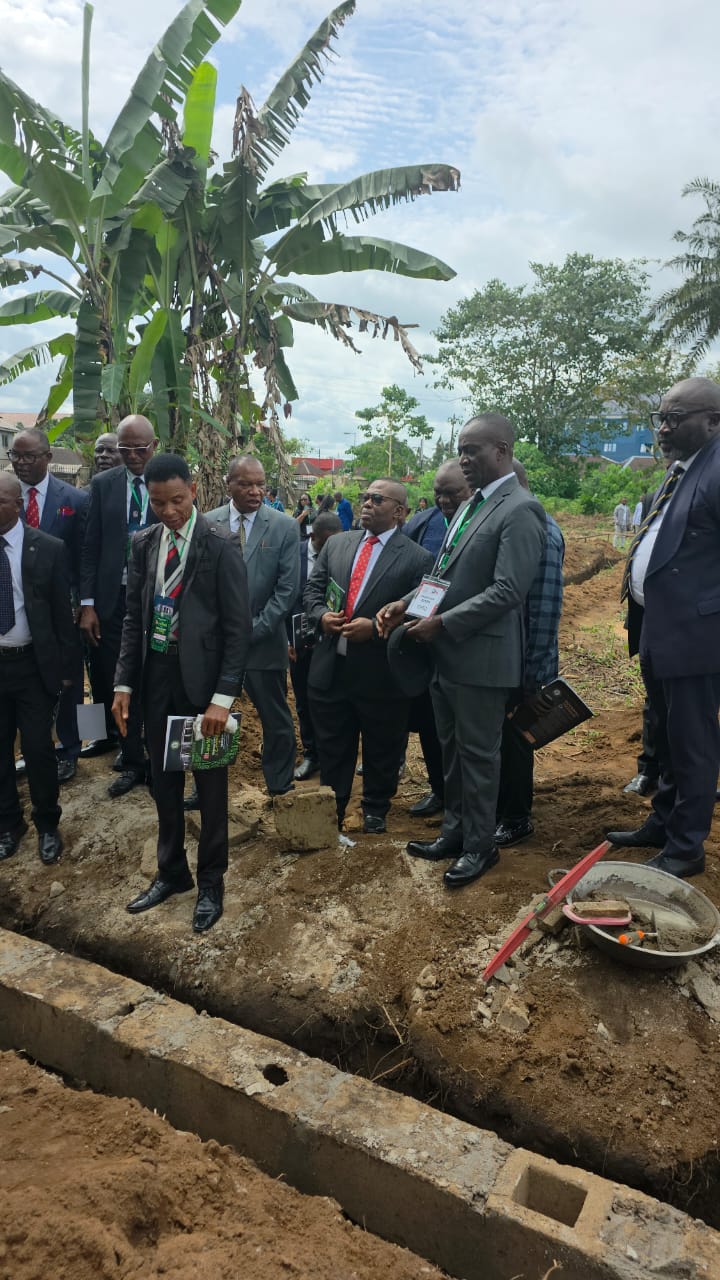
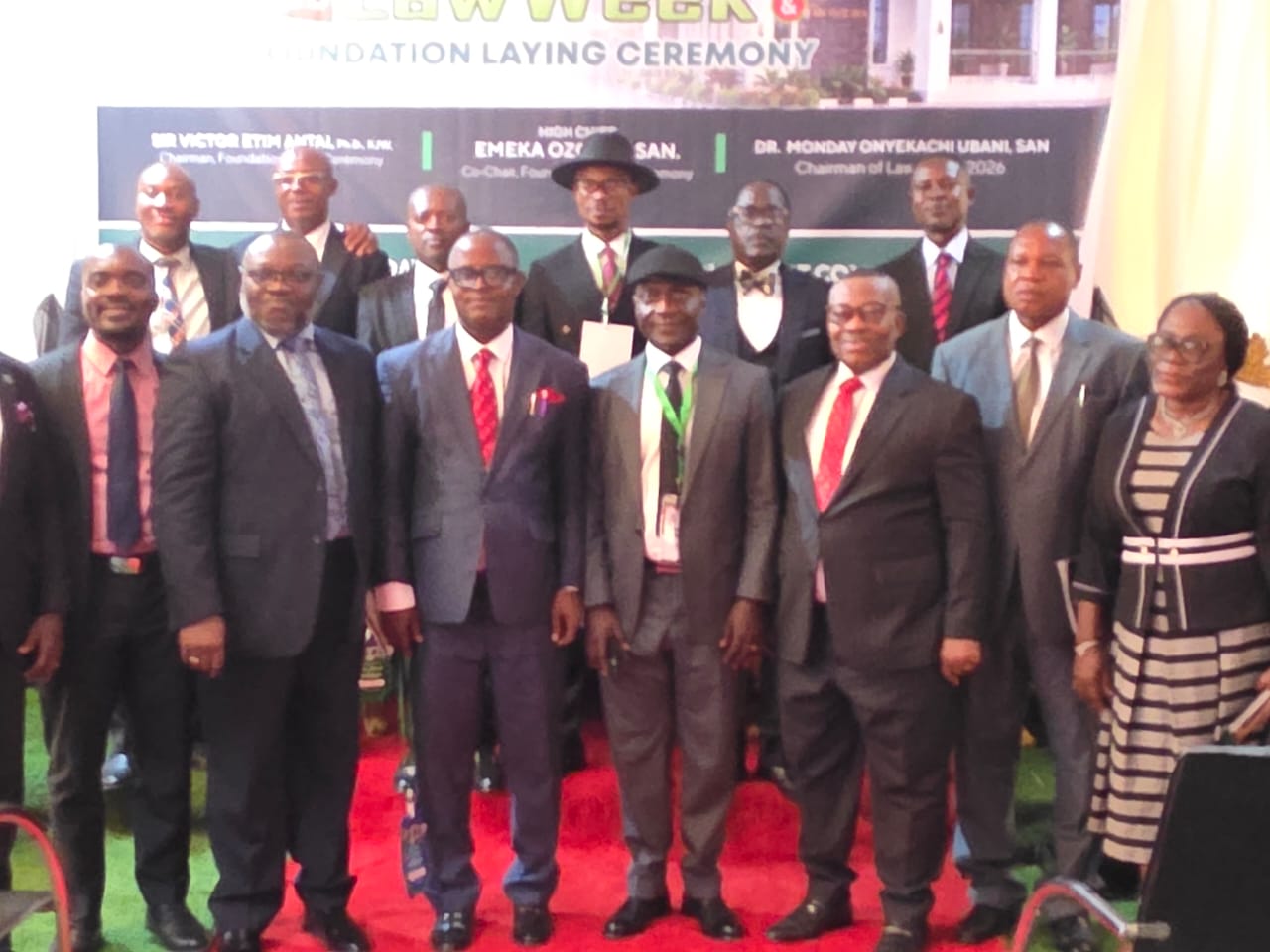
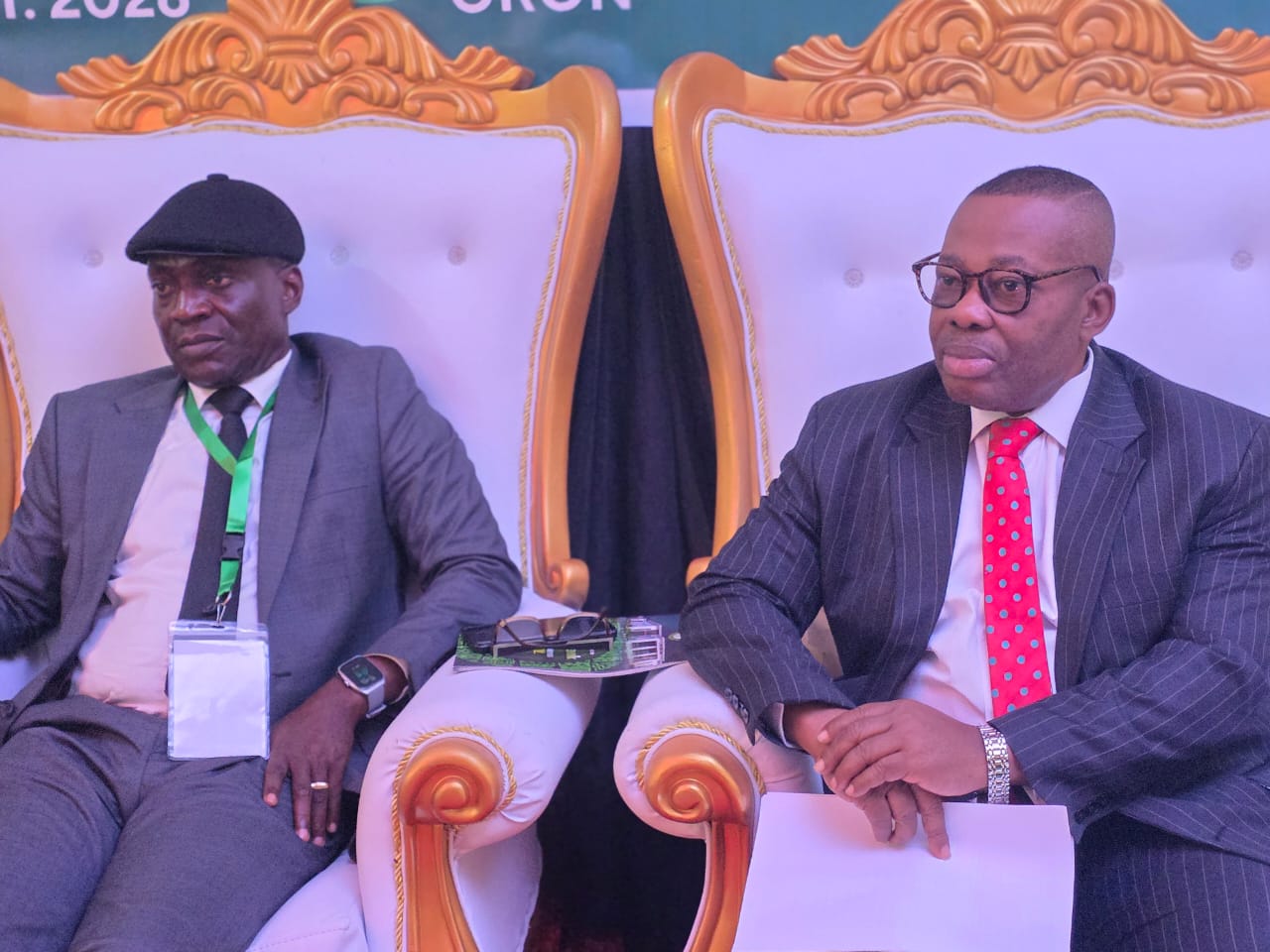
Ubani made the call while delivering the keynote address as Chairman of the Occasion at the Nigerian Bar Association (NBA), Oron Branch, Law Week, held under the theme, “Legal Administration and Legal Practice in a Secured Environment.” The event featured the foundation-laying ceremony for the proposed NBA Oron House, Bar Centre, marking a significant step towards strengthening the branch’s institutional capacity and professional development.
The senior lawyer explained that security in legal practice extends beyond physical protection to include freedom from threats, intimidation and unlawful interference, as well as the protection of confidential information, digital security and institutional safeguards.
He maintained that lawyers must be able to perform their professional duties without fear of retaliation, particularly when challenging unlawful conduct or representing clients whose interests may conflict with those of powerful individuals or institutions.
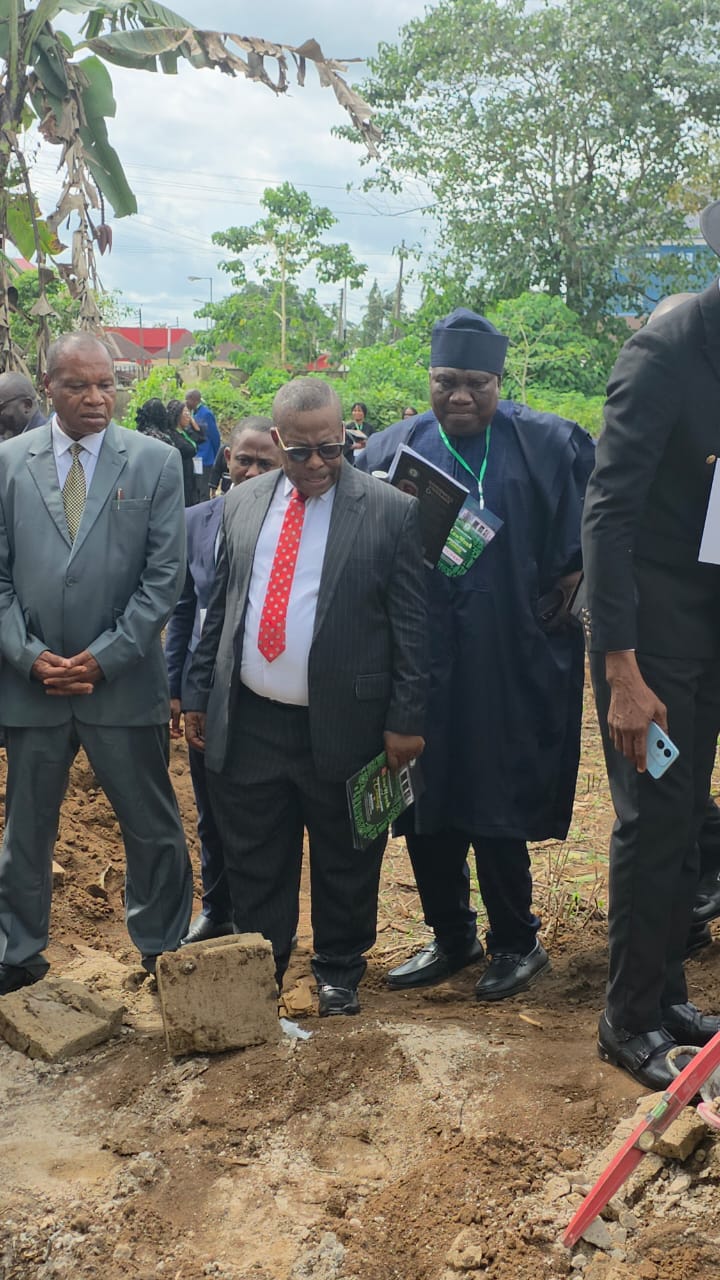
Describing the proposed NBA Oron House as more than a physical structure, Ubani said the Centre should become a lasting professional home where lawyers can exchange ideas, access continuing legal education, receive mentorship and collaborate on legal aid and public-interest initiatives.
He urged the branch to ensure that the facility is adequately equipped with functional meeting rooms, legal research resources, private consultation spaces, administrative offices, reliable utilities and appropriate security arrangements. He also emphasised accessibility for persons with disabilities and the need for a sustainable maintenance plan.
 Accountability, Transparency Essential to Project’s Success
Ubani stressed that the success of the Bar Centre would depend not only on the quality of its construction but also on the transparency, integrity and accountability of those responsible for its execution.
He called for proper documentation of financial contributions and expenditure, regular progress reports, professional procurement and construction standards, and a realistic completion and management plan.
He warned against allowing the facility to become the personal property of any administration or faction, insisting that it must remain an enduring institutional asset accessible to lawyers across generations and professional backgrounds.
Drawing on his experience in NBA leadership, including his service as Chairman of NBA Ikeja Branch, Second Vice-President of the Association and Chairman of NBA-SPIDEL, Ubani urged members to prioritise the collective interests of the legal profession above personal differences, electoral divisions and individual ambitions.
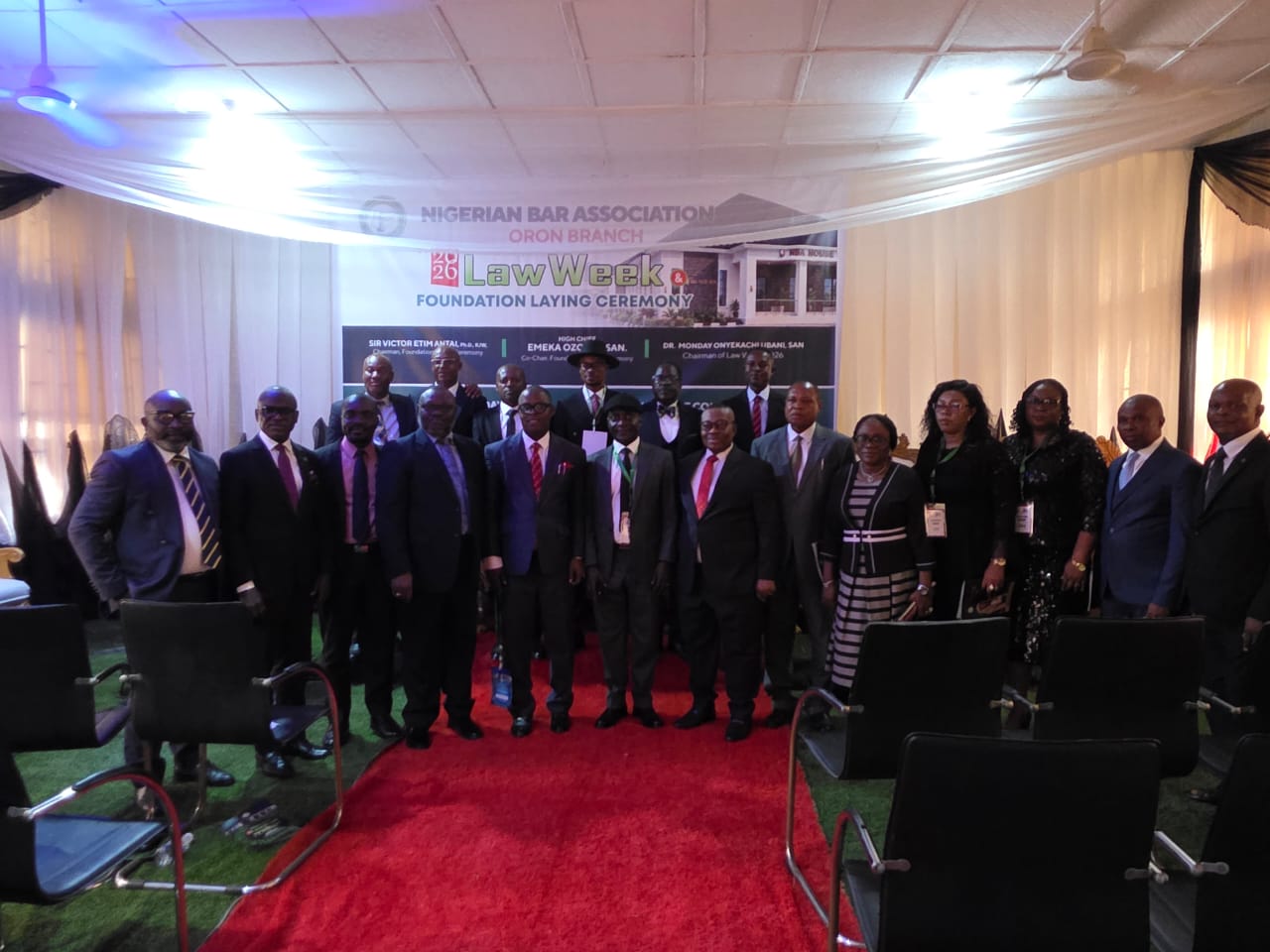
He observed that leadership tenures would eventually end, but institutions built on sound principles could serve generations to come.
Young Lawyers, Professional Development in Focus
The senior advocate also called for greater investment in young lawyers, noting that the proposed Centre should provide opportunities for mentorship, practical training, professional development and continuing legal education.
He identified the financial demands of establishing legal practice, technological changes, professional competition and the responsibility of maintaining ethical standards amid economic challenges as some of the difficulties confronting young practitioners.
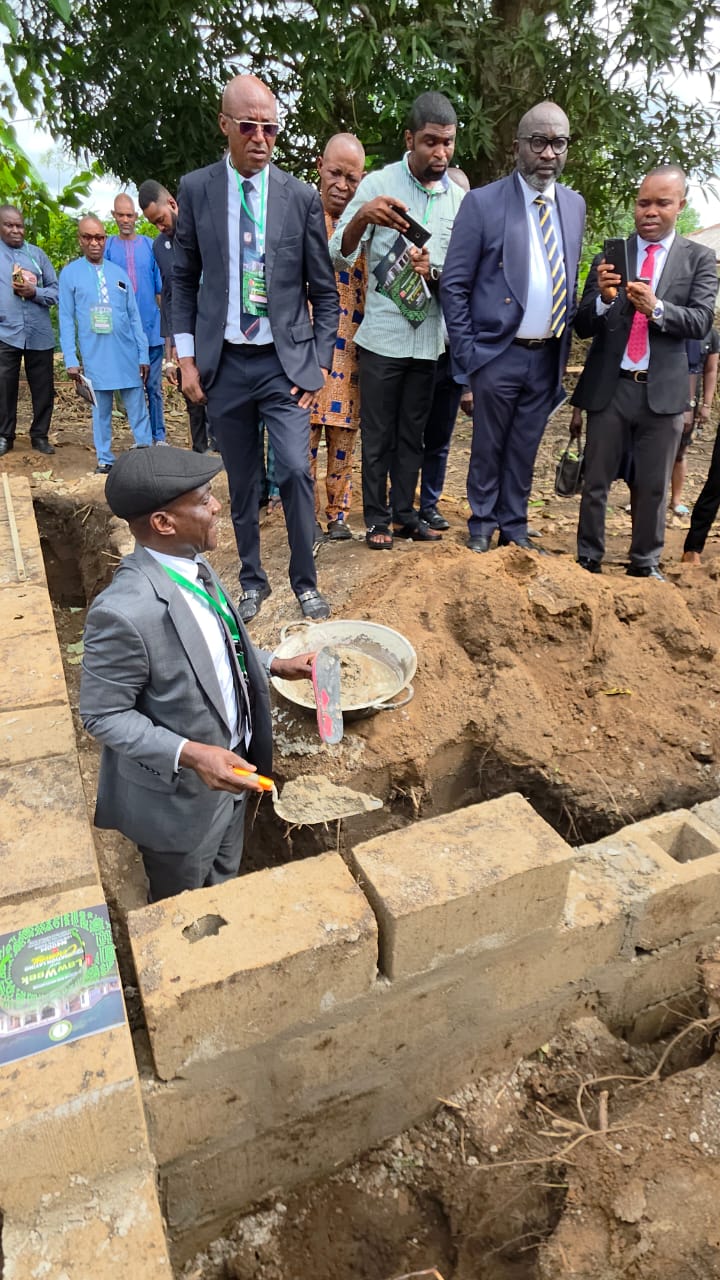
According to him, a well-managed Bar Centre could help address these challenges, strengthen professional fellowship and prepare younger lawyers for greater responsibilities in the administration of justice.
Ubani further encouraged the NBA Oron Branch to use the facility as a platform for public service through legal awareness campaigns, pro bono services and constructive engagement on human rights, criminal justice reform, electoral integrity, constitutional governance and access to justice.
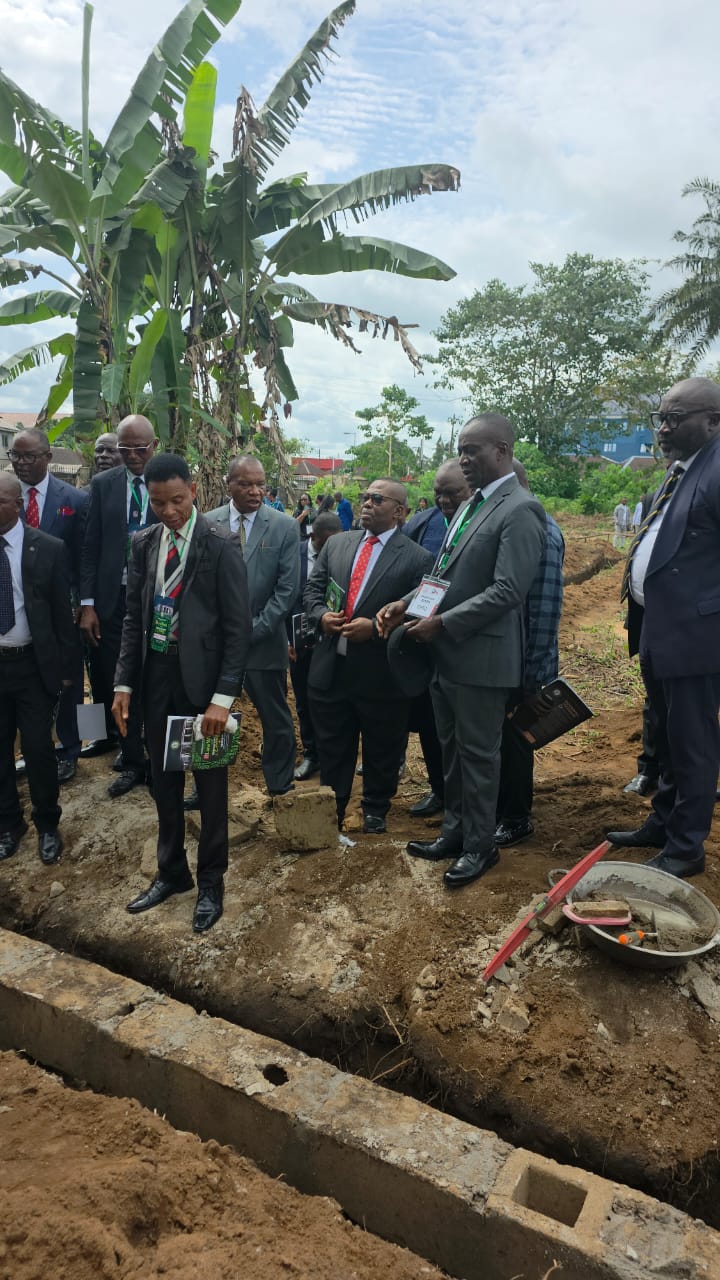
He emphasised that the credibility of the legal profession should not be measured solely by the respect lawyers command in courtrooms, but also by the confidence ordinary citizens repose in them.
Calls for Support Without Compromising Bar Independence
Ubani appealed to members of the Bench, government, traditional institutions, corporate organisations, business leaders, philanthropic individuals and other friends of the legal profession to support the project.
He, however, cautioned that partnerships and external support must not compromise the independence of the Bar or undermine its professional responsibilities.
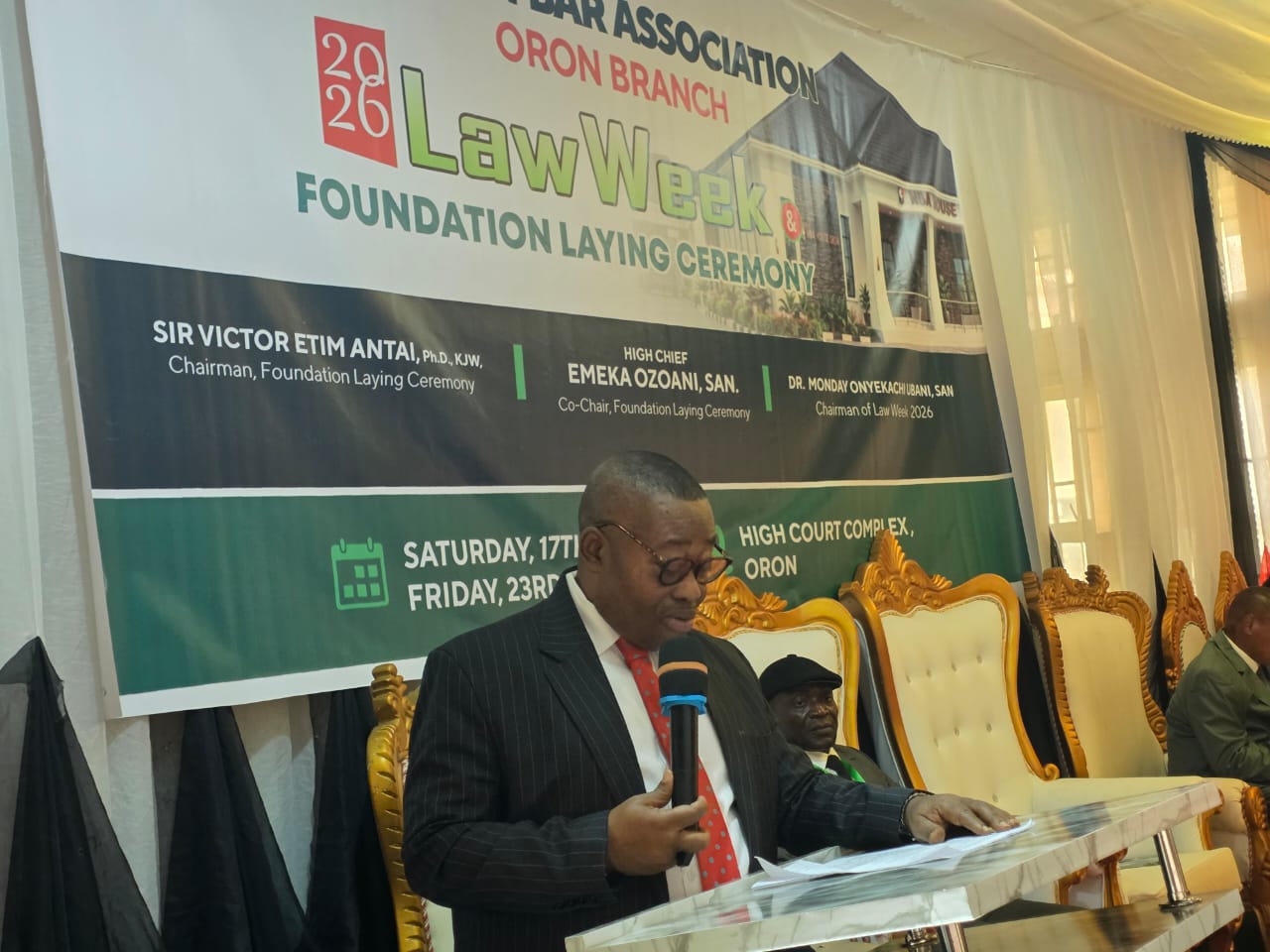
Commending the leadership and members of NBA Oron Branch for initiating the project, he urged them to sustain the commitment and collective effort that had made the foundation-laying ceremony possible.
He said the true value of the completed Centre would not be determined merely by the beauty of its structure, but by the quality of lawyers it develops, the lives it touches and its contribution to justice and the rule of law.
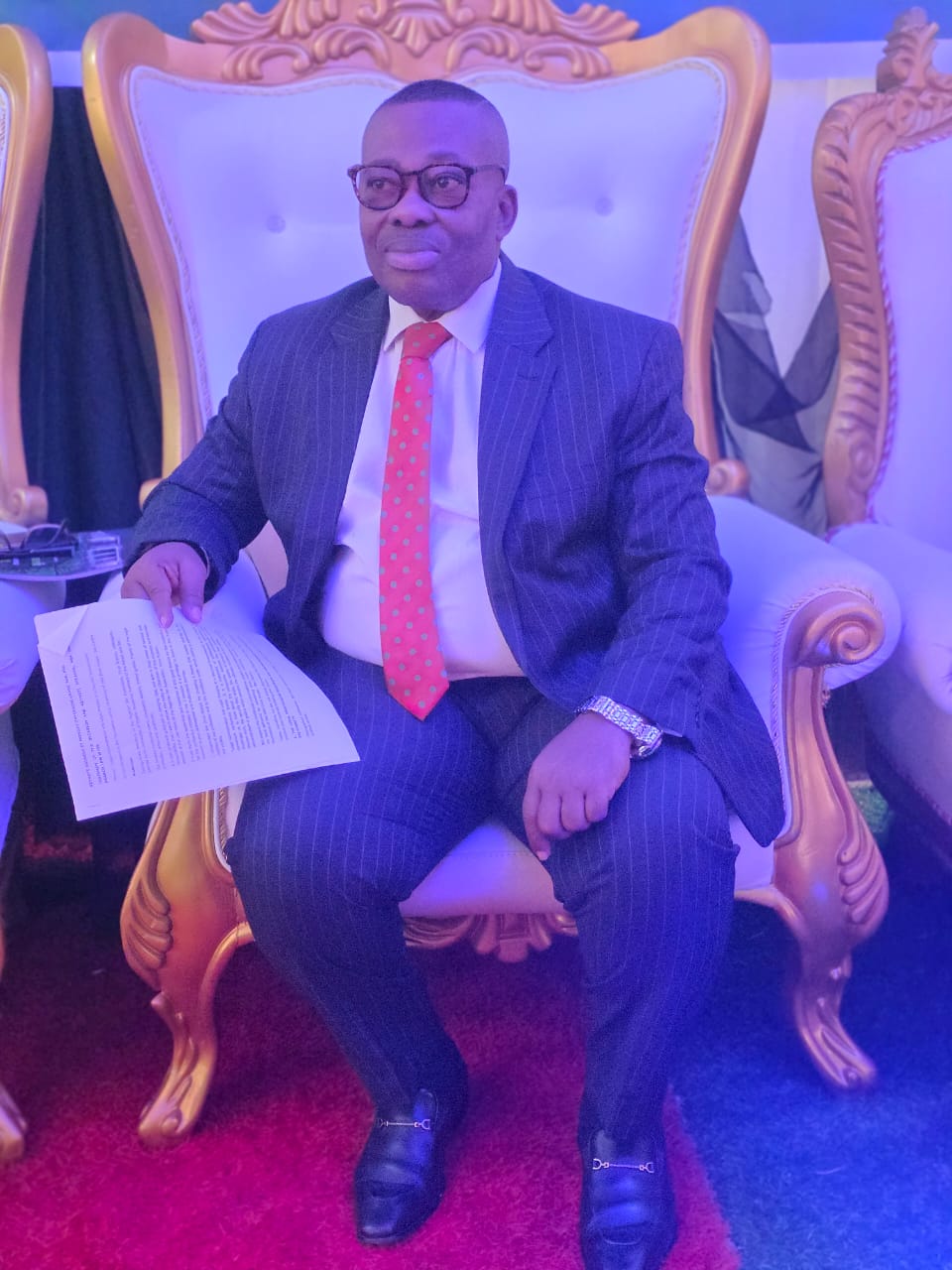
Ubani expressed the hope that NBA Oron House would become a lasting symbol of professional excellence, institutional progress and service to humanity, built on the enduring foundations of unity, integrity, transparency and accountability.
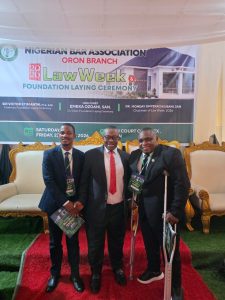 Dignitaries Grace NBA Oron Law Week
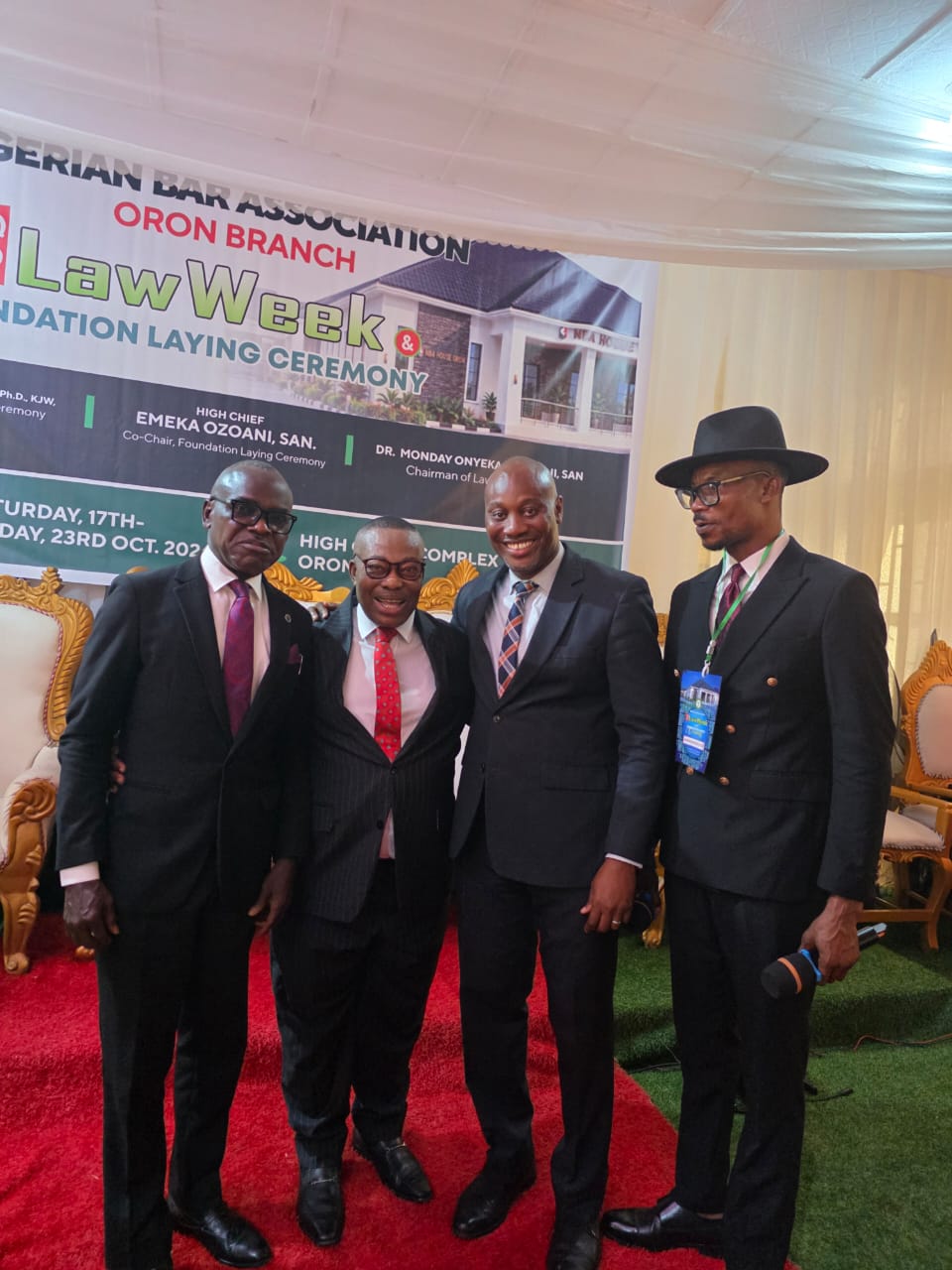
The annual event attracted prominent members of the judiciary and the legal profession, including the Chief Judge of Akwa Ibom State, Hon. Justice Ekaette F. Obot, who was represented by Hon. Justice Effiong Offiong of the State High Court.
The Attorney-General of Akwa Ibom State, Uko Udom, SAN, was also represented by a director in the State Ministry of Justice. Several judges, magistrates and Bar leaders from Eket, Uyo and Ikot Ekpene attended the occasion.
The NBA Oron Branch is chaired by Ikara O. Ikara, Esq., while Chief Godwin Effiong serves as Chairman of the Annual Law Week Planning Committee.
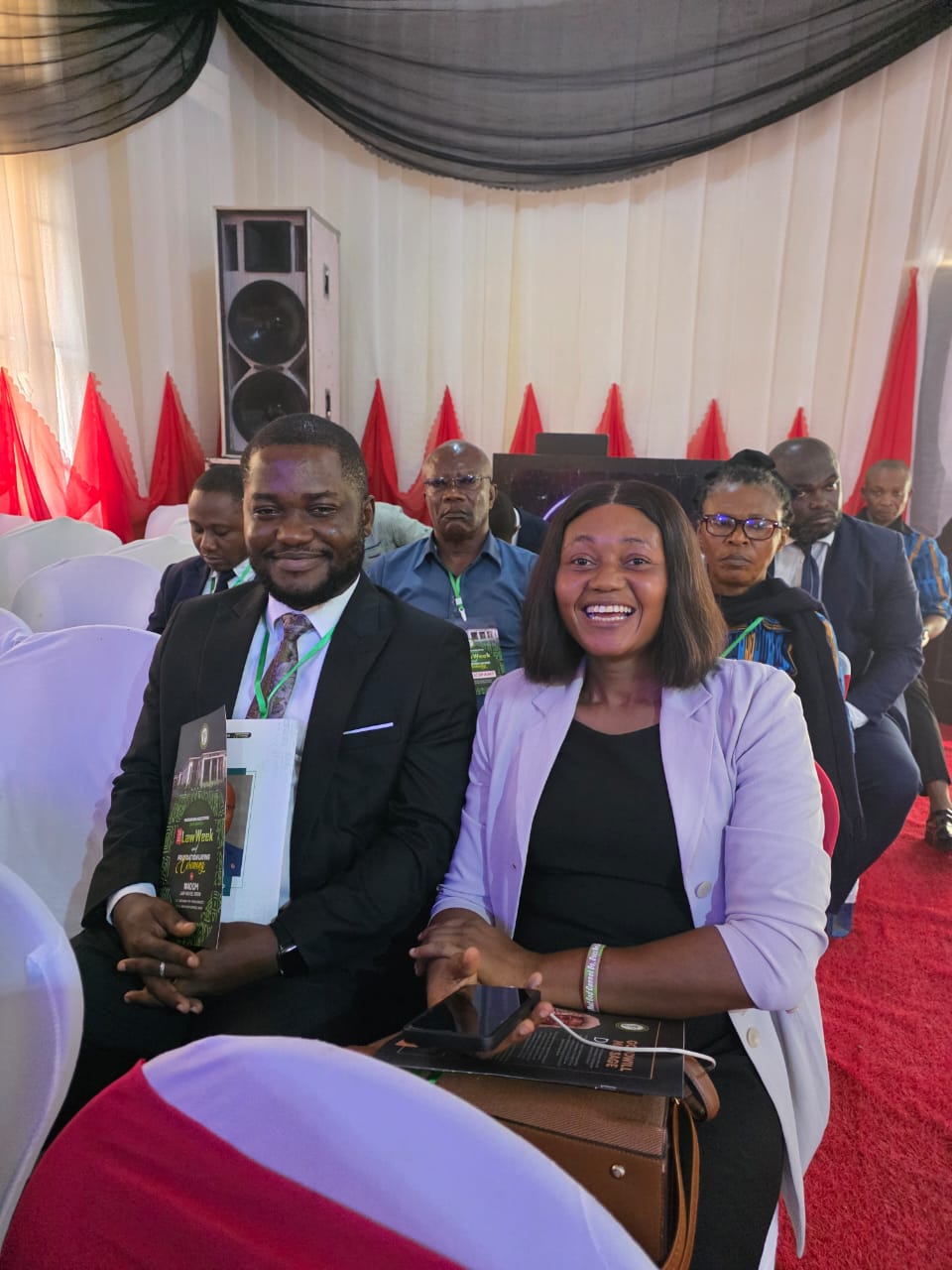
The highlight of the event was the foundation-laying ceremony for the proposed NBA Oron House, led by Hon. Justice Effiong Offiong on behalf of the Chief Judge, Hon. Justice Ekaette F. Obot.
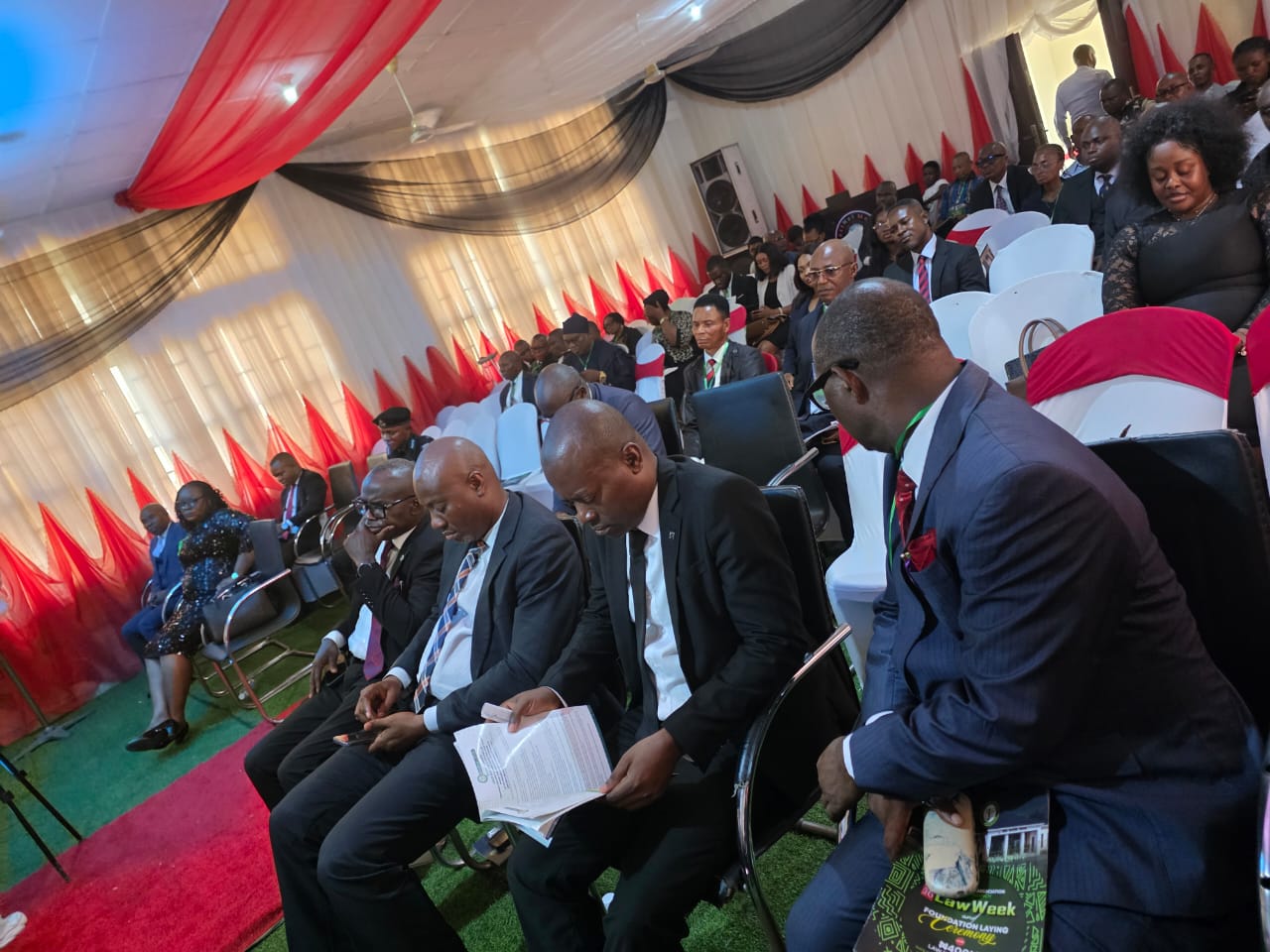
The ceremony was widely regarded as an important milestone in the branch’s drive to establish a permanent institutional facility that will strengthen professional interaction, support the development of lawyers and promote access to justice.
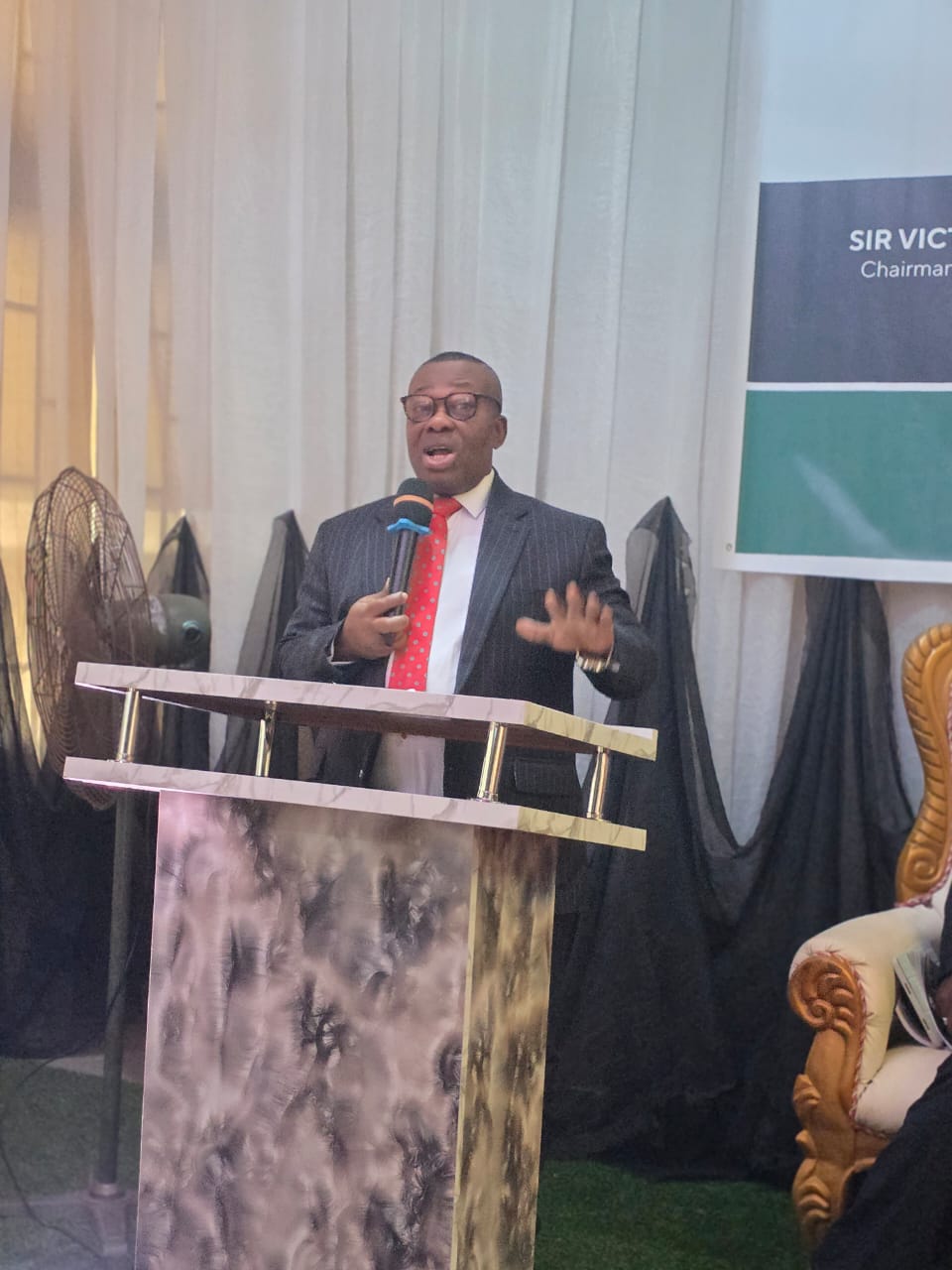
With the project now underway, the call by Ubani underscores the importance of ensuring that NBA Oron House becomes not merely a landmark building, but a centre of professional growth, ethical leadership, institutional accountability and public service.
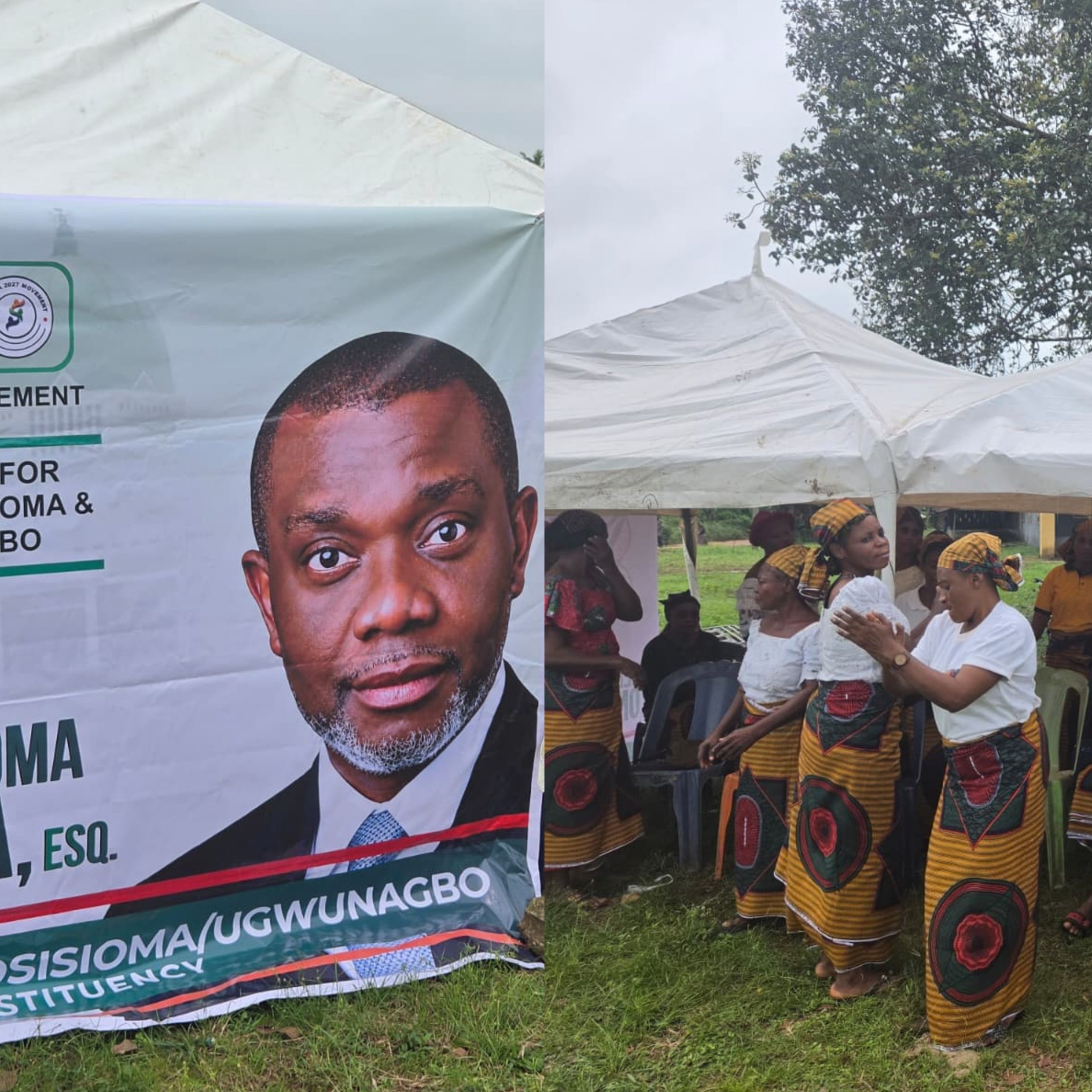
ADC Federal Constituency Candidate Reaffirms Commitment to Dialogue, Unity and Effective Representation
Barr. Kelechi Ozioma Onyeobia, the African Democratic Congress (ADC) candidate for the Obingwa/Osisioma/Ugwunagbo Federal Constituency, has continued to strengthen his grassroots engagement ahead of the 2027 general elections, holding consultations with members of the New Development Alliance (NDA) in Mgboko, Umuanunu Ward 3, Obingwa Local Government Area of Abia State.
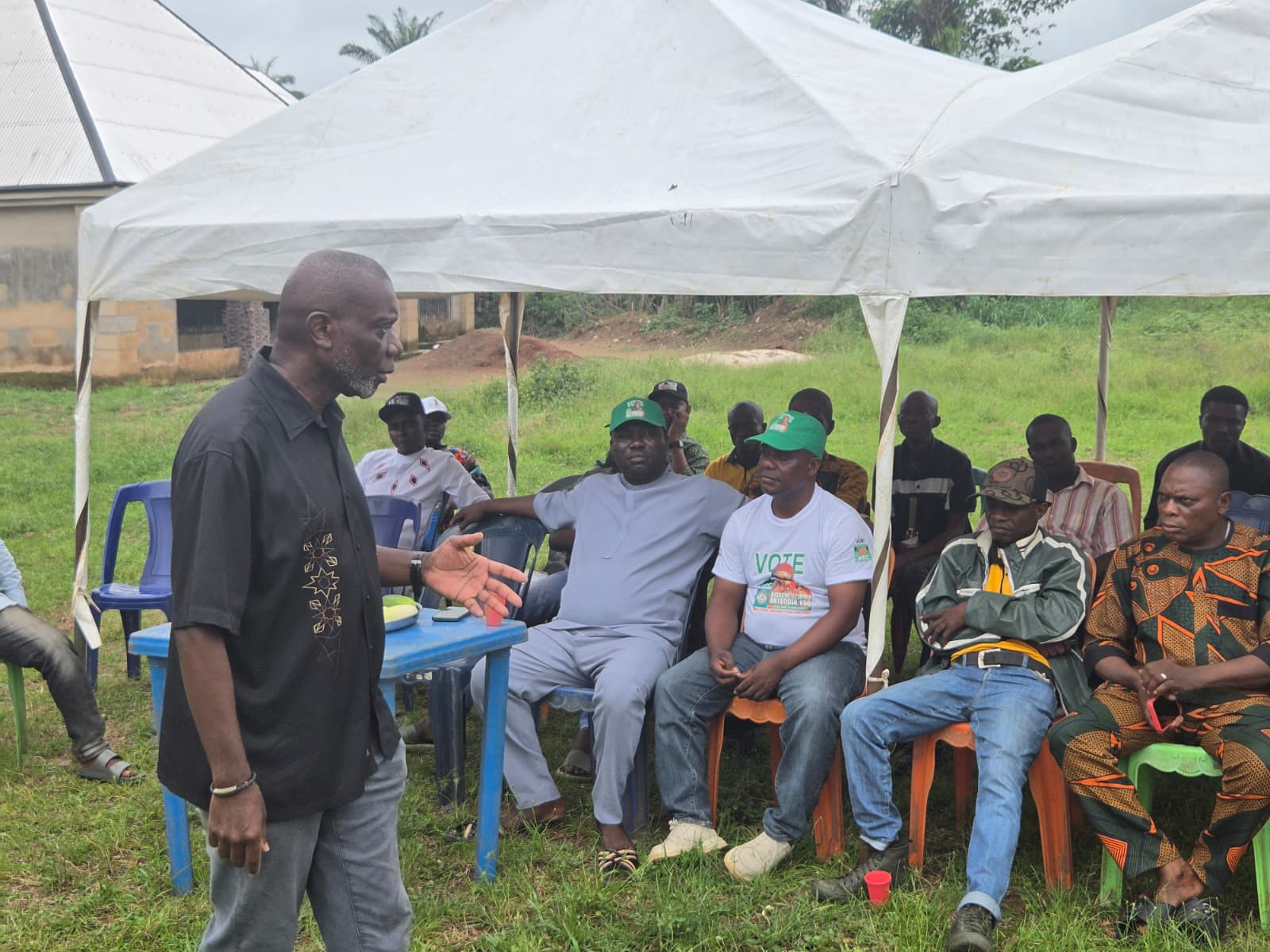
The consultation, which took place on Tuesday, October 13, 2026, provided an opportunity for the ADC candidate and members of the group to exchange ideas, discuss their expectations, and explore a shared vision for the future development of the constituency.
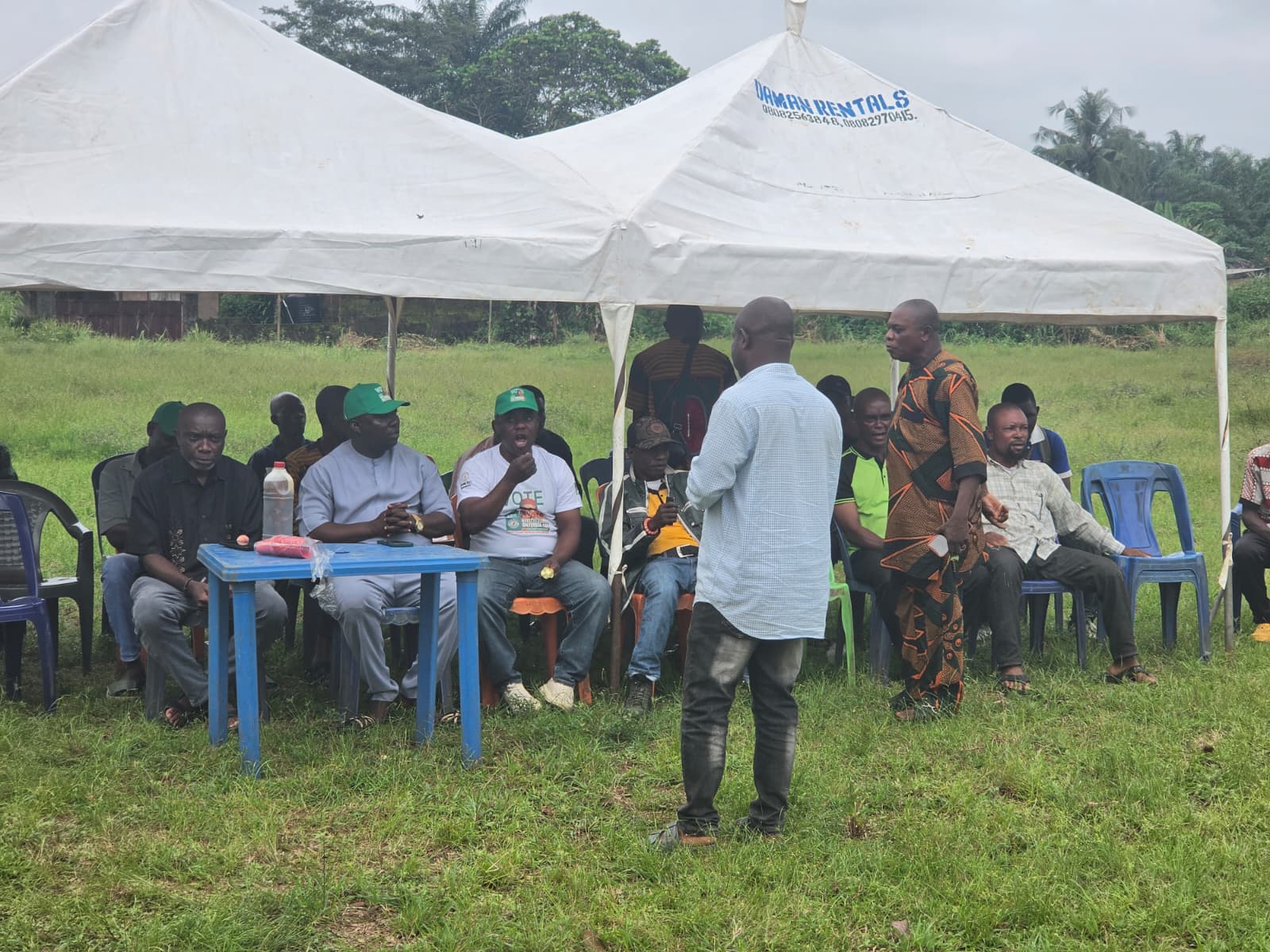
Barr. Onyeobia and his entourage received a warm and enthusiastic welcome from members of the NDA, who expressed their appreciation for the engagement and their interest in his political vision under the Ozioma 2027 project.
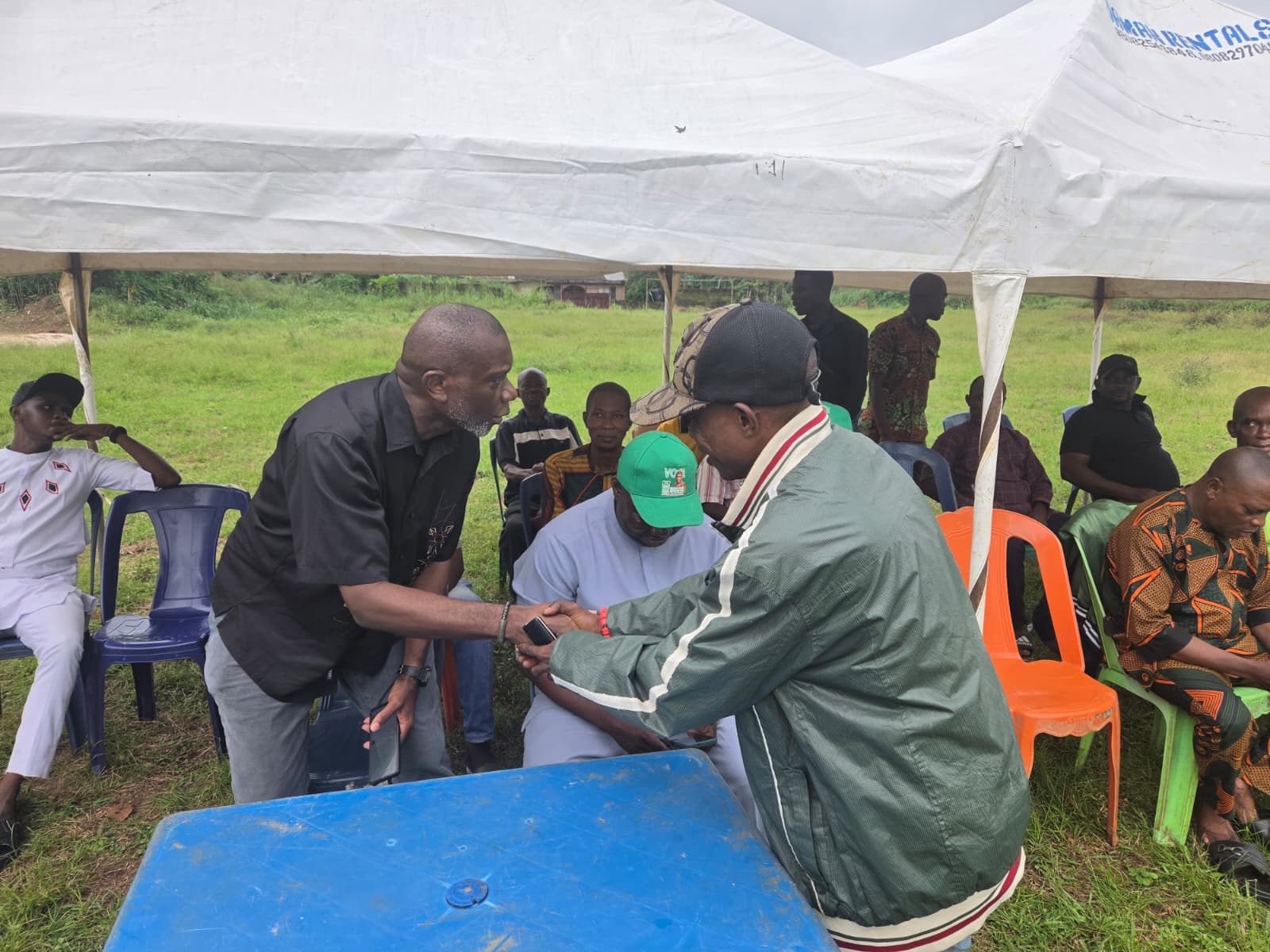
In their separate remarks, the group’s leader, the ADC Ward 3 Chairman, the Women Leader, and the Youth Leader commended Barr. Onyeobia for what they described as his commitment, sincerity, integrity, and clear vision for development and effective representation.
They expressed confidence in his leadership capacity and highlighted their expectations for a future defined by purposeful representation, improved opportunities, and greater attention to the needs and aspirations of the people.
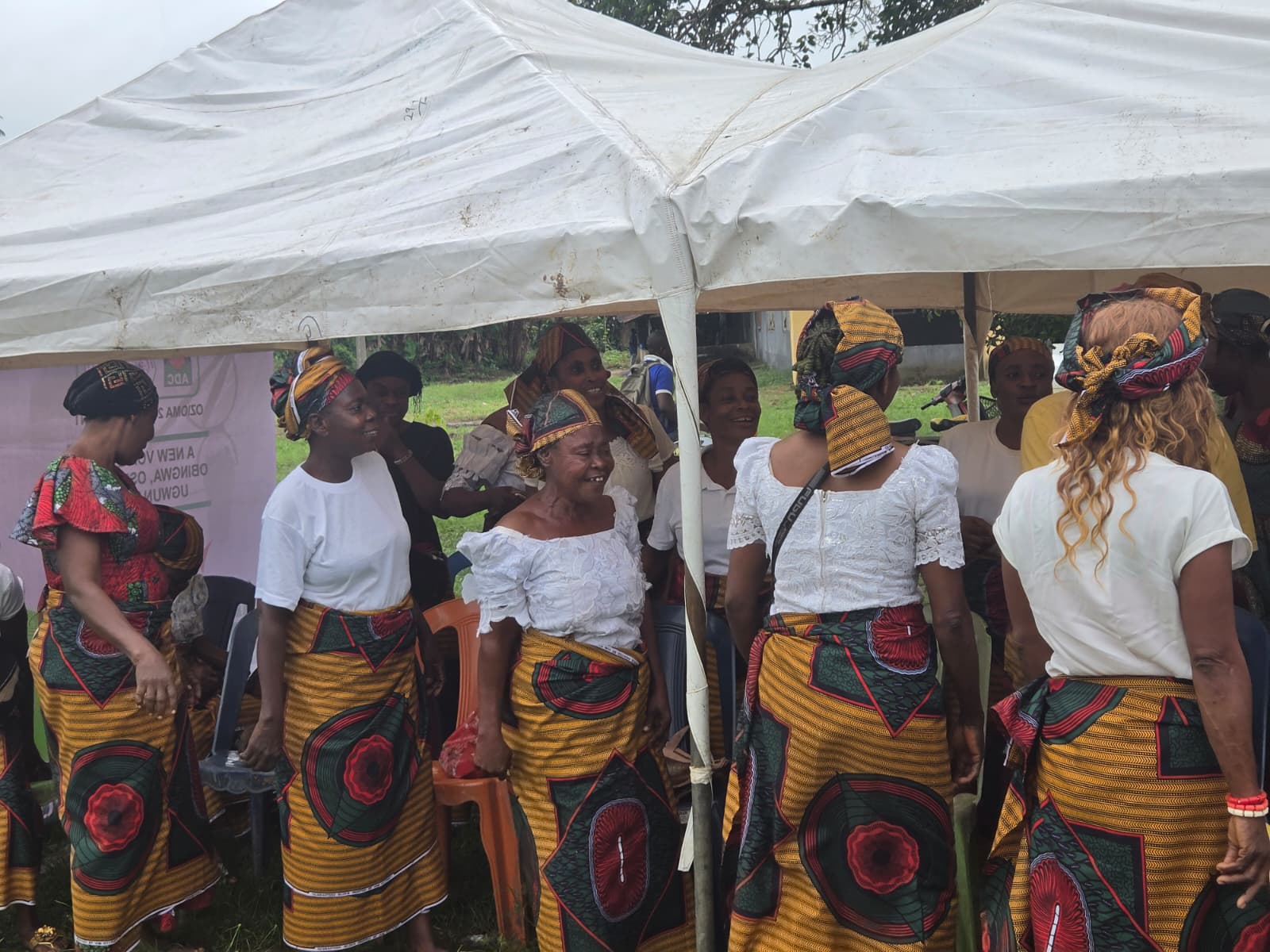
Responding, Barr. Onyeobia thanked the members for their warm reception, patience, and willingness to engage with him and his team. He emphasized the importance of sustained dialogue, mutual understanding, collaboration, and grassroots participation in building a stronger constituency where the voices and interests of the people remain central to leadership decisions.
He reaffirmed the value of engaging directly with community members, noting that meaningful representation requires listening to the people, understanding their concerns, and working collectively towards a common developmental vision.
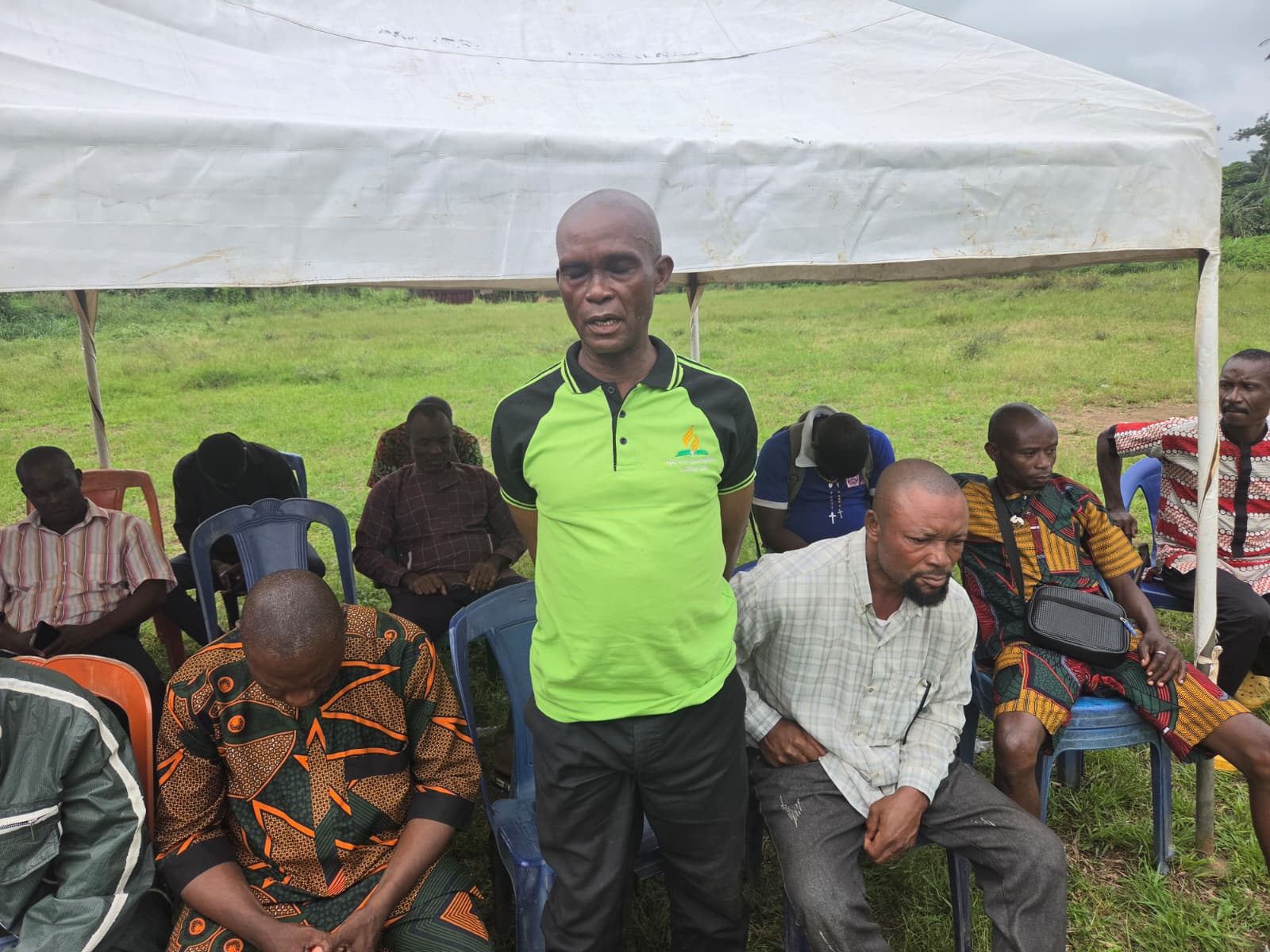
Also speaking, Hon. Chief Uche Okezie urged members of the group to remain committed to the Ozioma 2027 project and take its message of purposeful leadership and effective representation to their communities, churches, families, friends, and other social networks.
Hon. Okezie described Barr. Onyeobia as a man of integrity and sincerity whose commitment to the people’s interests, in his view, makes him worthy of their confidence. He also highlighted his longstanding relationship with the group’s leader, expressing optimism that their continued partnership, unity, and collective efforts would contribute to achieving their shared aspiration for a more progressive and effectively represented federal constituency.
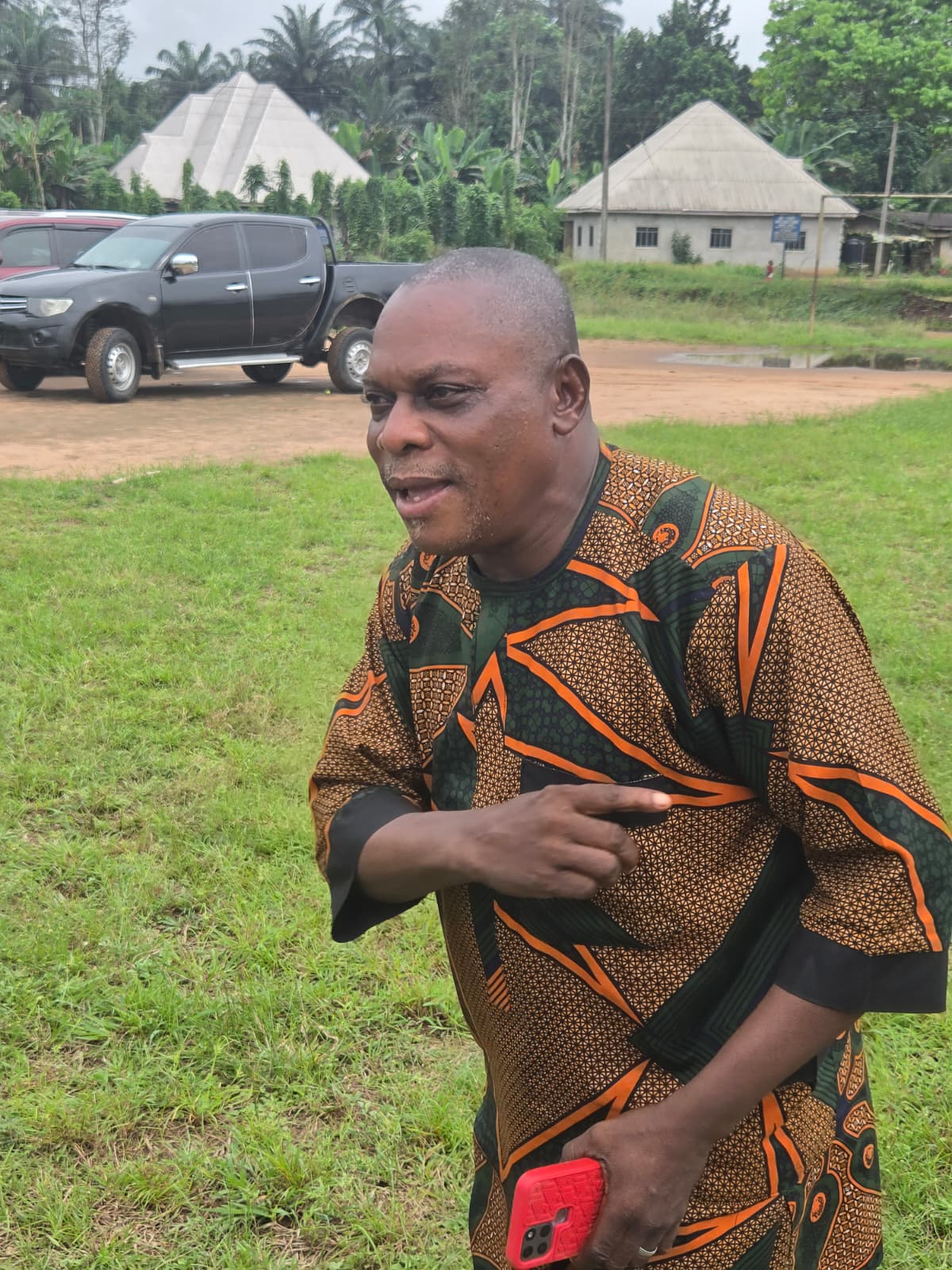
The meeting further underscored the importance of grassroots consultations in strengthening relationships, building trust, and creating opportunities for citizens to participate in conversations about their political future.
As the 2027 elections approach, the Ozioma 2027 project continues to pursue grassroots engagement across the constituency, with an emphasis on unity, dialogue, and a shared commitment to better representation.
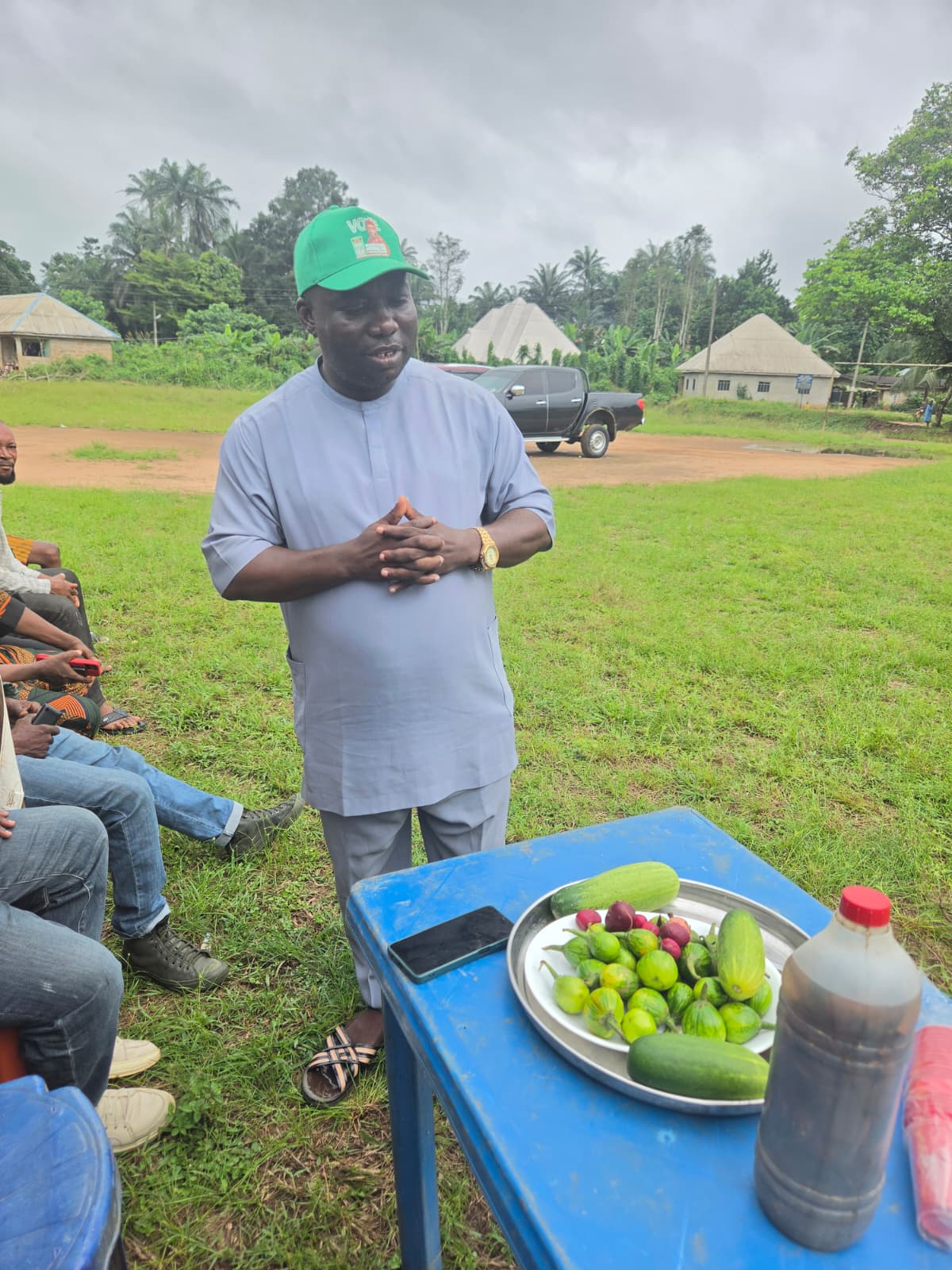
For Barr. Kelechi Ozioma Onyeobia and his supporters, the message remains clear, meaningful leadership begins with listening to the people, building trust, and working together towards a better future for Obingwa/Osisioma/Ugwunagbo Federal Constituency.


OZIOMA RALLIES ADC OSISIOMA LEADERS FOR 2027, TASKS WARD EXECUTIVES ON GRASSROOTS MOBILISATION

UBANI SAN CHARGES NBA ORON ON ACCOUNTABILITY, SECURITY AND PROFESSIONAL EXCELLENCE AS BAR CENTRE PROJECT TAKES OFF

OZIOMA 2027: ONYEOBIA STRENGTHENS GRASSROOTS SUPPORT IN OBINGWA, ENGAGES NDA MEMBERS

Ahead of Convocation, PhD Graduands Defeat Master’s Counterparts in Friendly Football Match

HRH EZE CHARLES UKATTAH DEFENDS GOVERNOR OTTI, DESCRIBES MEDIA EXCHANGE AS MISUNDERSTANDING

WHEN LEADERSHIP IS WORKING, SYMBOLISM SHOULD NEVER BE ALLOWED TO OVERSHADOW SUBSTANCE. – HON STANLEY NWABUISI
-
 METRO3 months ago
Ahead of Convocation, PhD Graduands Defeat Master’s Counterparts in Friendly Football Match
-
 NEWS8 months ago
HRH EZE CHARLES UKATTAH DEFENDS GOVERNOR OTTI, DESCRIBES MEDIA EXCHANGE AS MISUNDERSTANDING
-
 POLITICS9 months ago
WHEN LEADERSHIP IS WORKING, SYMBOLISM SHOULD NEVER BE ALLOWED TO OVERSHADOW SUBSTANCE. – HON STANLEY NWABUISI
-
 NEWS8 months ago
HRH EZE SIR CHARLES ONORCHIE UKATTAH COMMENDS GOVERNOR ALEX OTTI’S PERFORMANCE, BACKS 2027 RE-ELECTION
-

 ENTERTAINMENT9 months ago
RADIO SHOUT-OUT STEALS HEART: RUBYBILLIONS CELEBRATES MARYFIAT NWANOSIKE’S BIRTHDAY IN STYLE
-

 NEWS5 months ago
Gracelyn Oko Celebrates Mothers, Describes Them as Builders of Destinies and Guardians of Godly Values
-

 NEWS5 months ago
Opotoyom, Ugoeze Emerge Winners of NDC Senate and House of Representatives Primaries in Abia
-

 NEWS8 months ago
ABIA MUST REMAIN NIGERIA’S NEATEST STATE — CATECHIST AMBROSE