
NEWS
WOULD NIGERIANS PAY 50% TAX FOR DENMARK’S QUALITY OF LIFE?

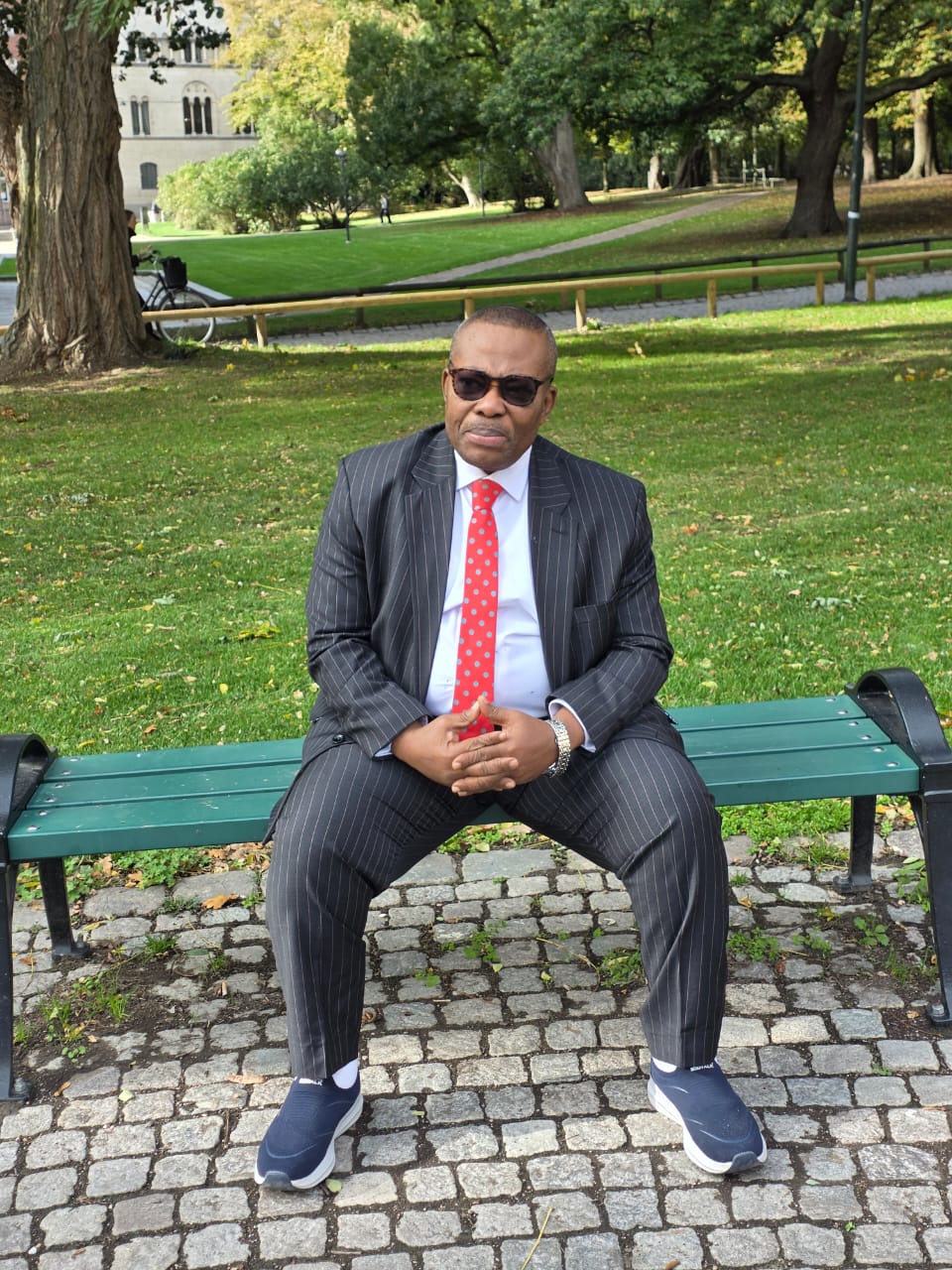
Dr. M. O. Ubani, SAN, Reflects on Scandinavian Experience, Taxation, Good Governance and Nigeria’s Development Challenges
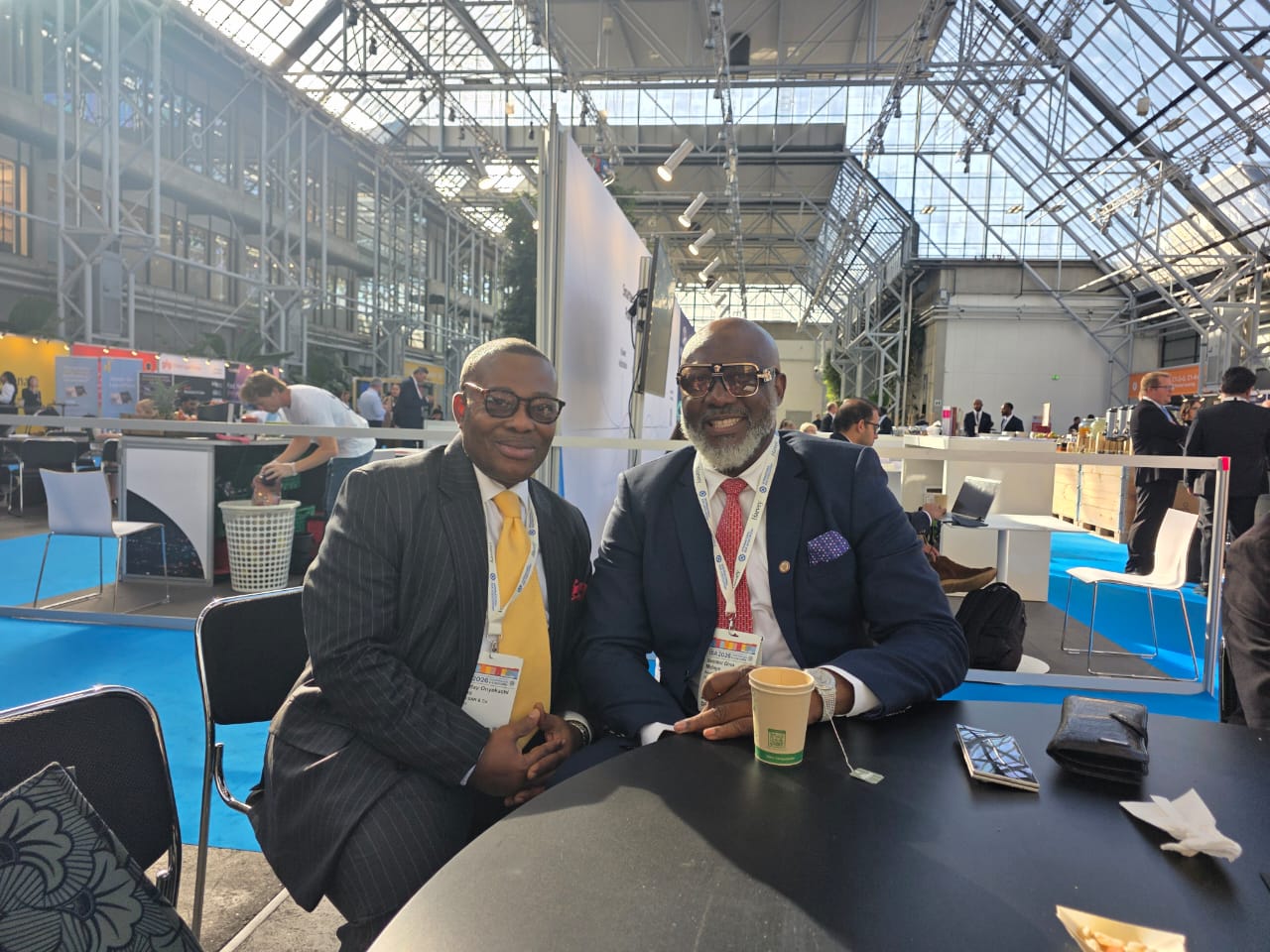
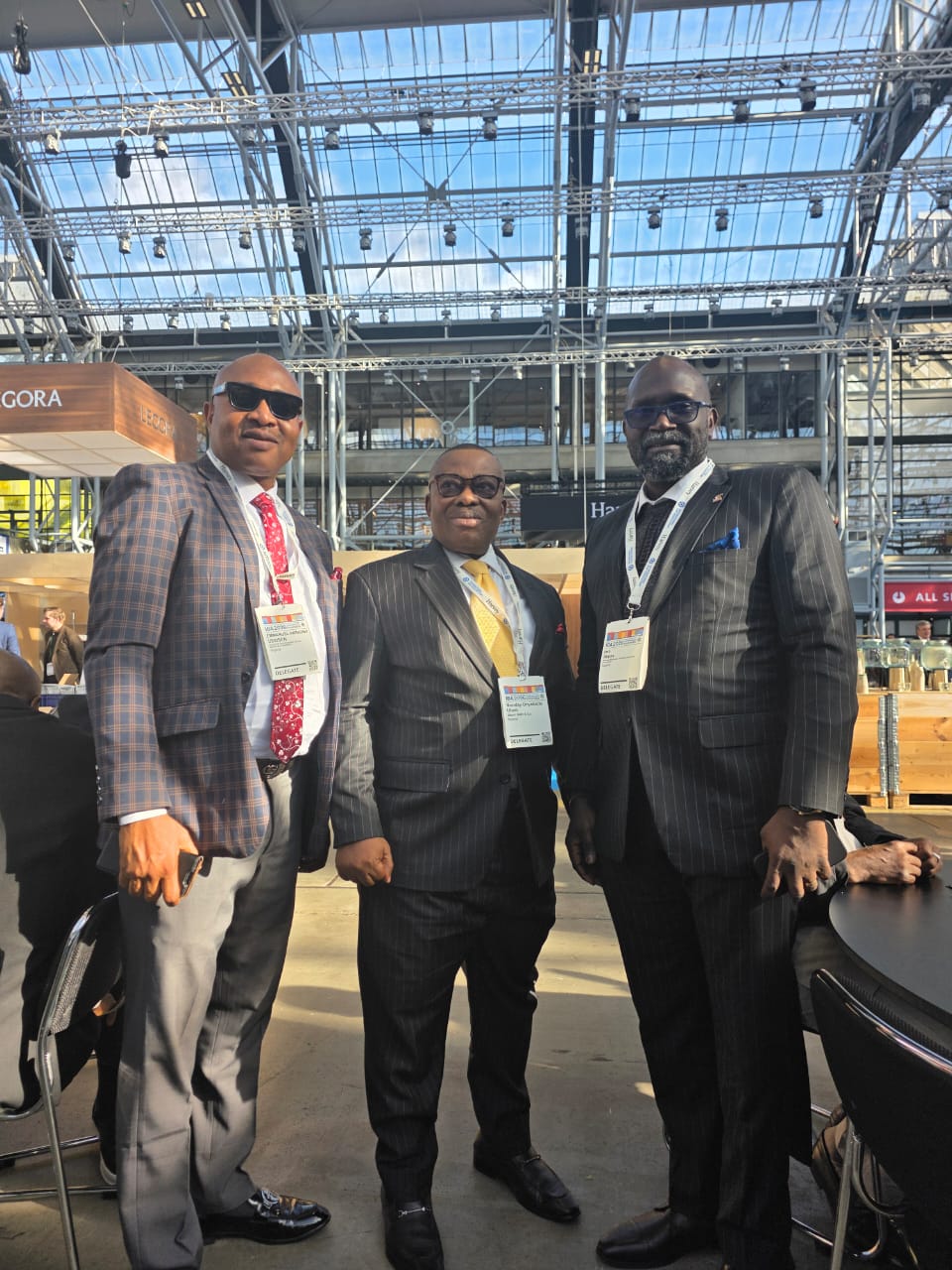
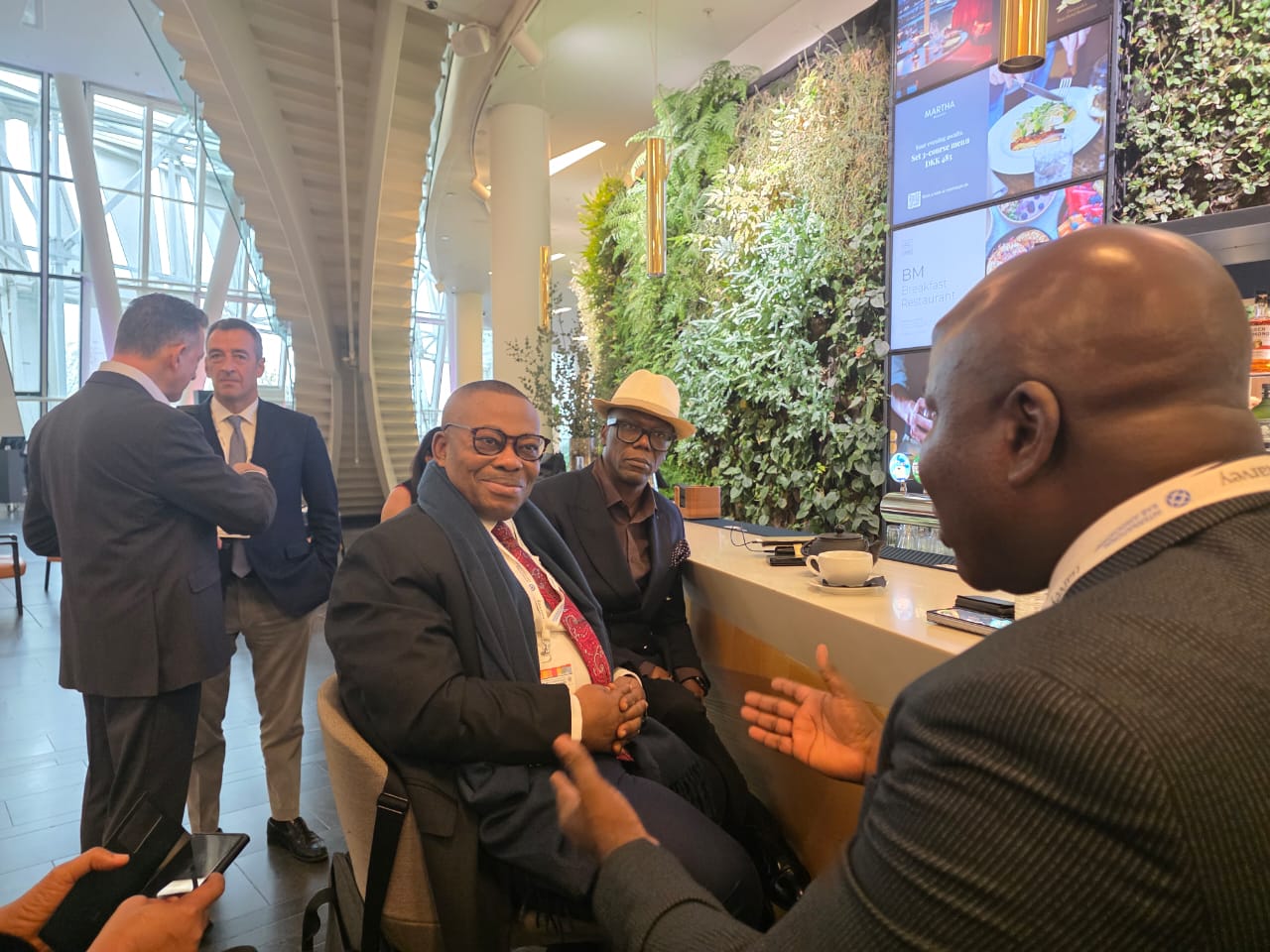
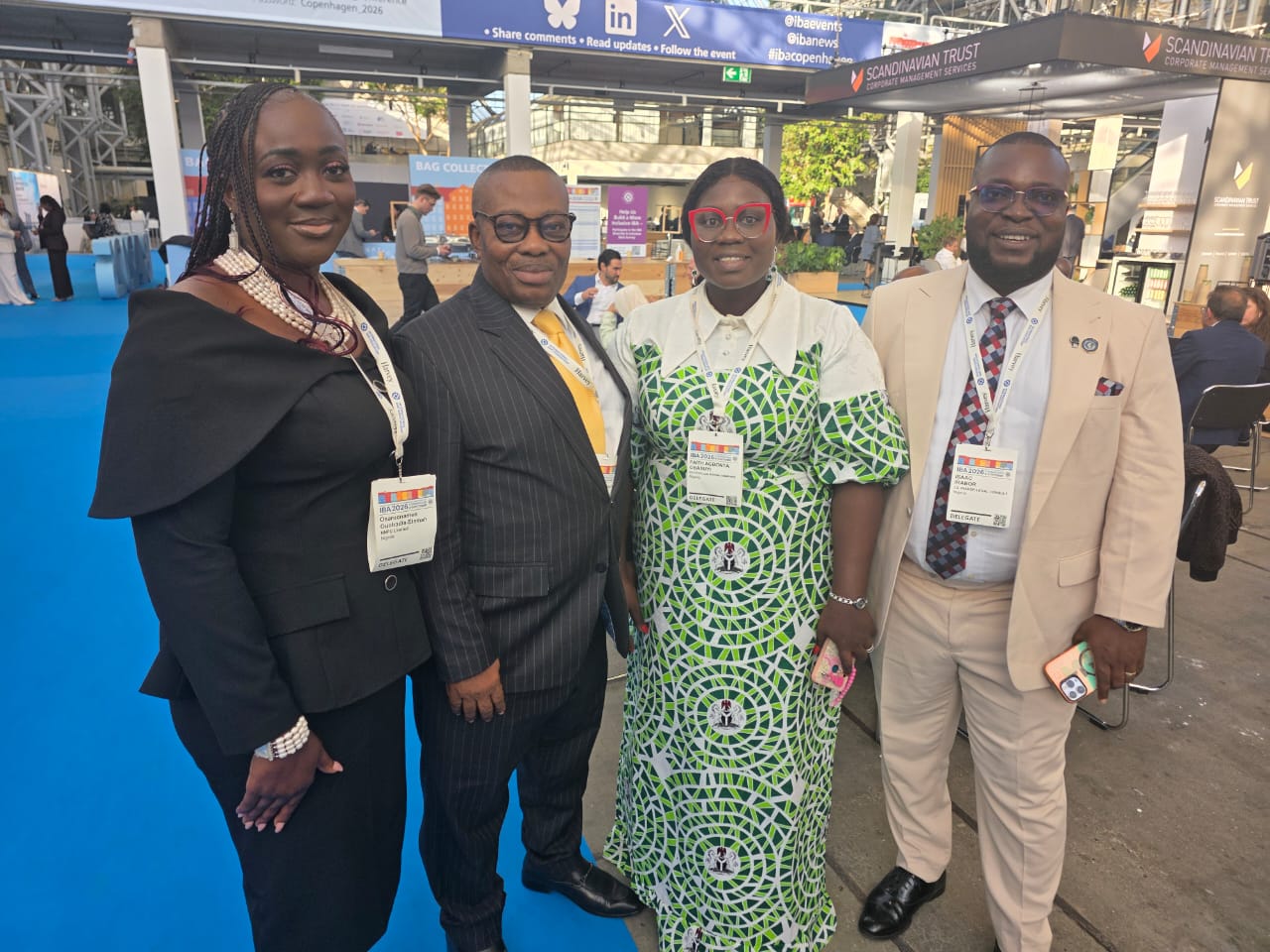
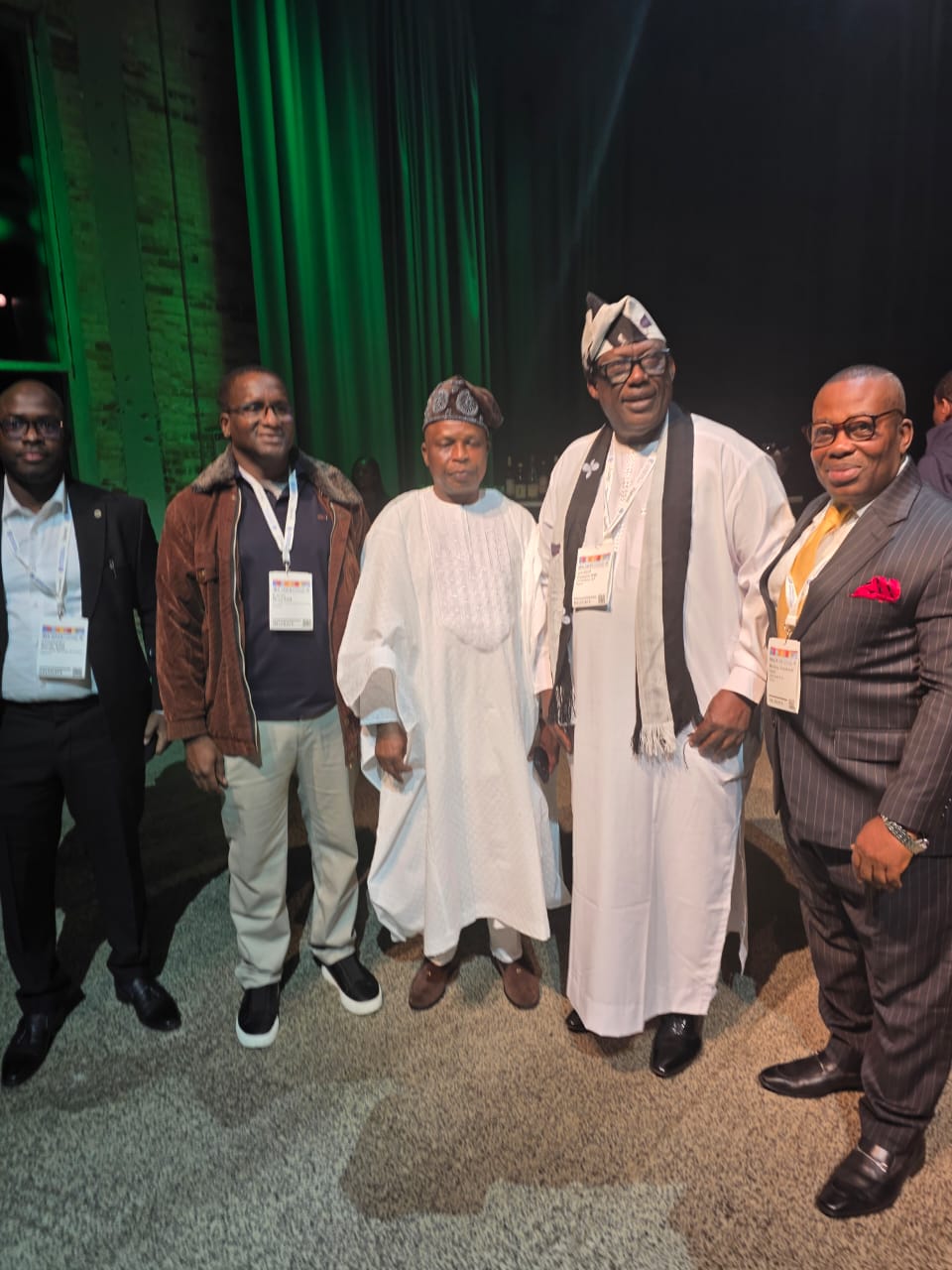
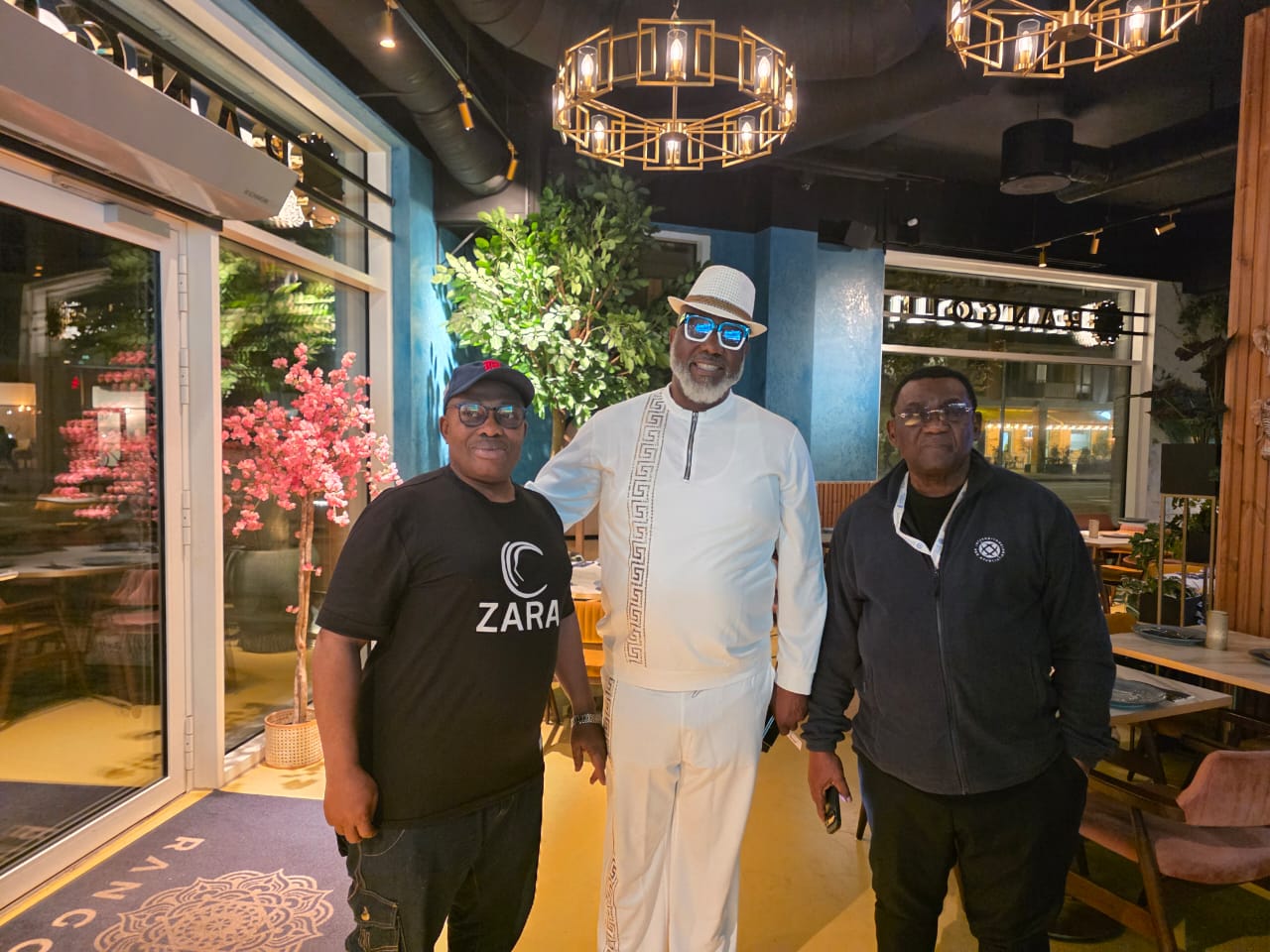
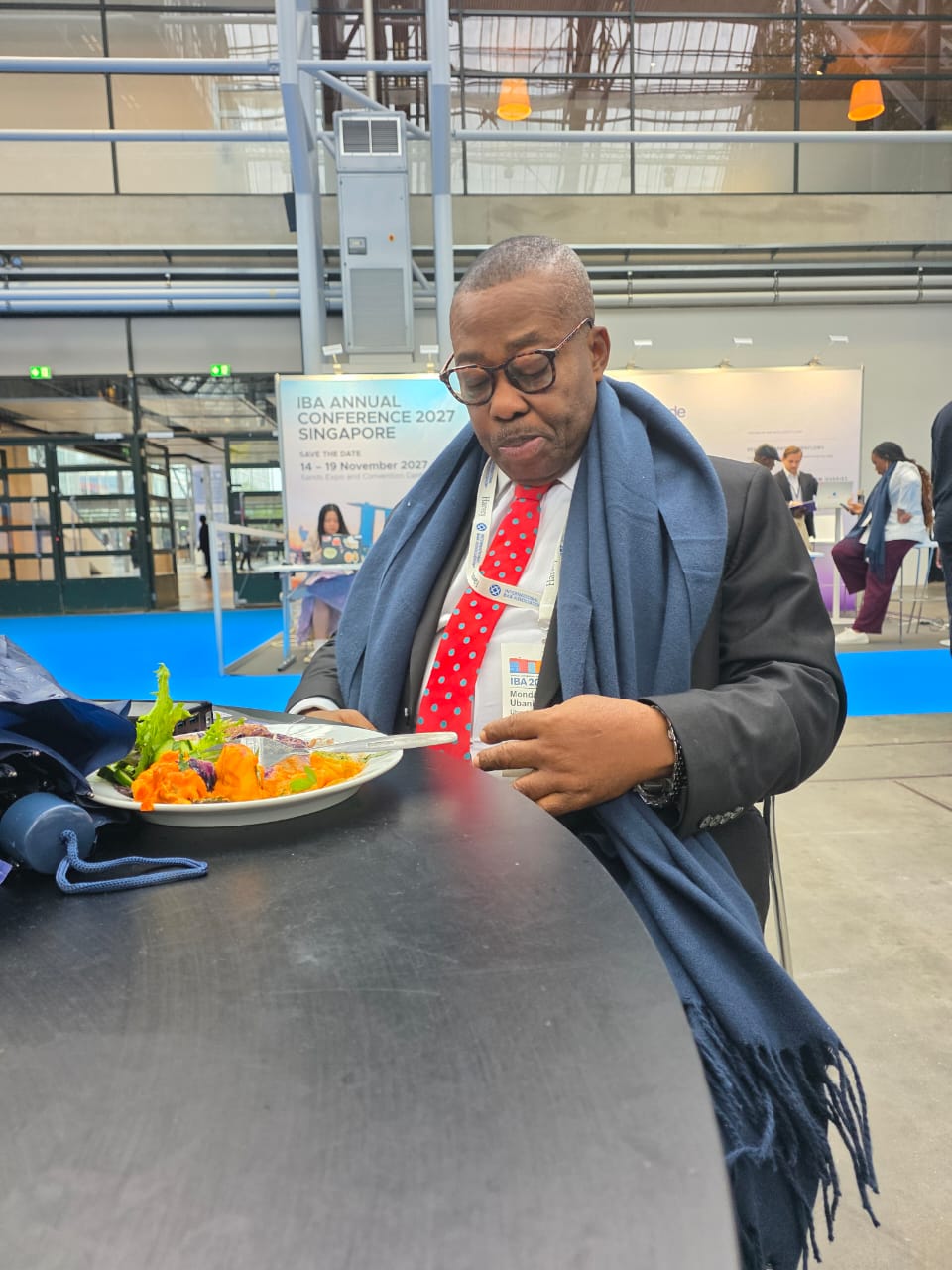
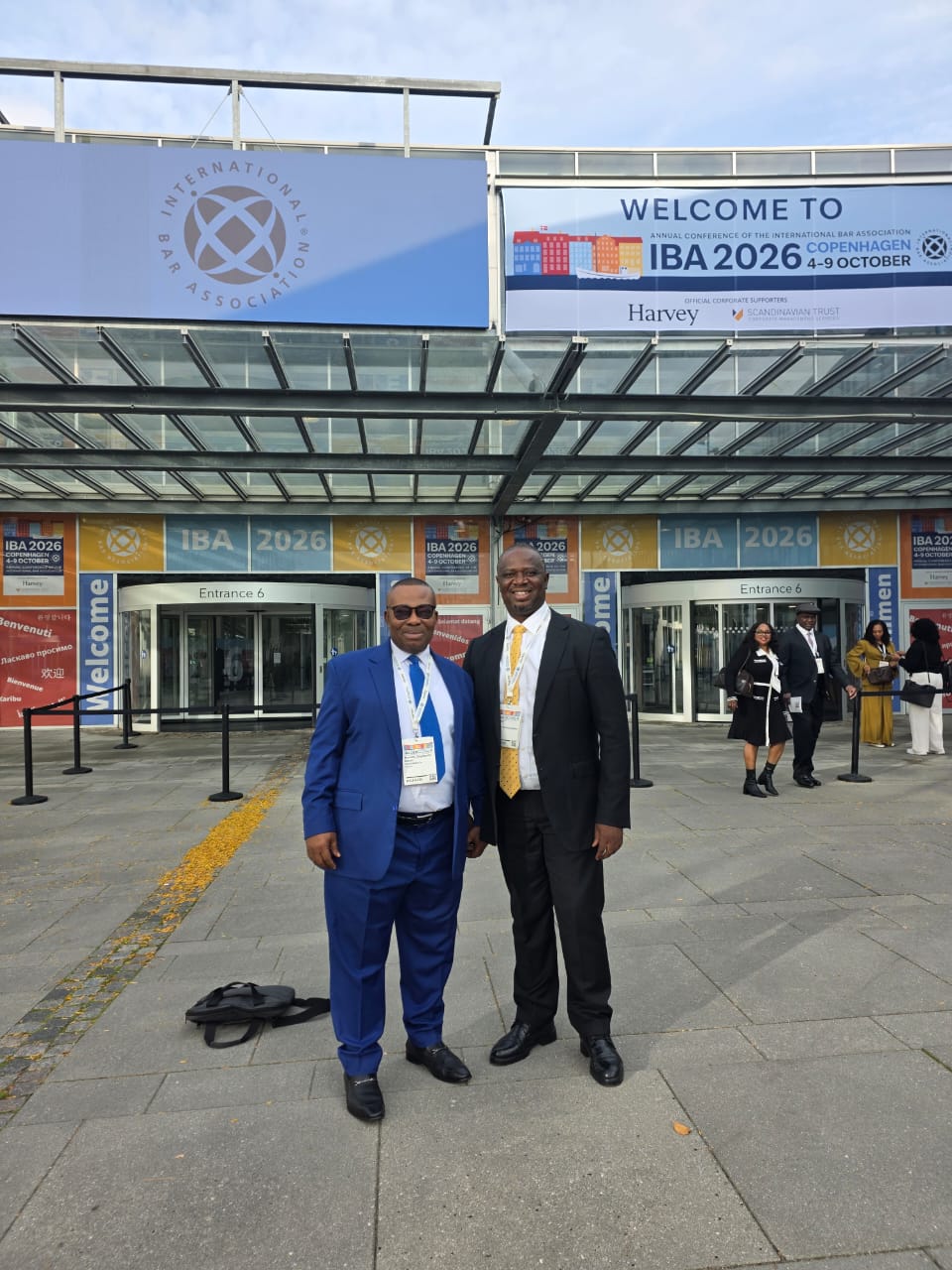
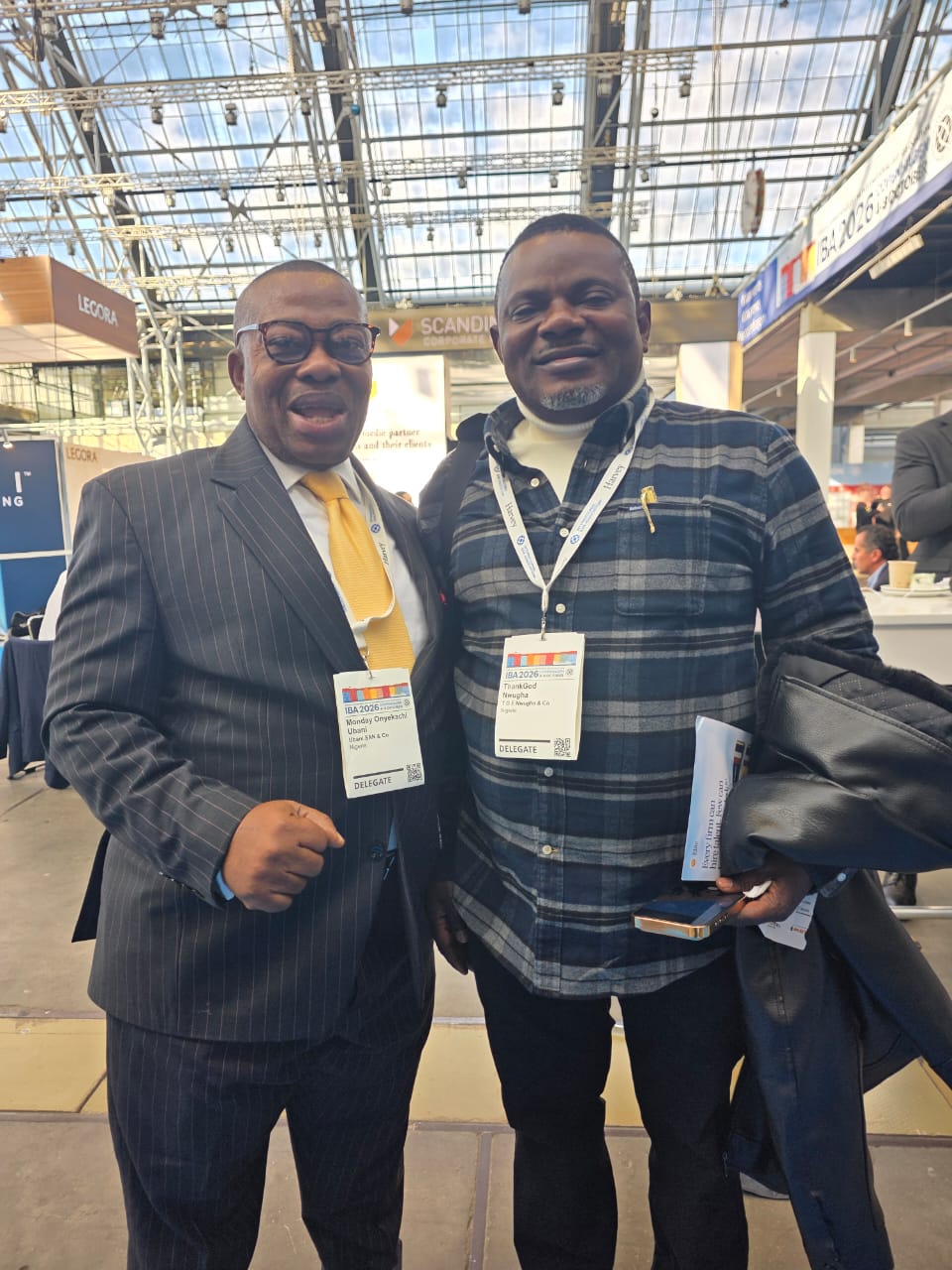
Following his participation in the International Bar Association (IBA) Annual Conference in Copenhagen, Denmark, renowned legal practitioner and policy analyst, Dr. M. O. Ubani, SAN, has challenged Nigerian leaders to rethink taxation, public accountability and governance, arguing that citizens would be more willing to pay higher taxes if government delivered essential services and a quality of life comparable to that of Denmark.
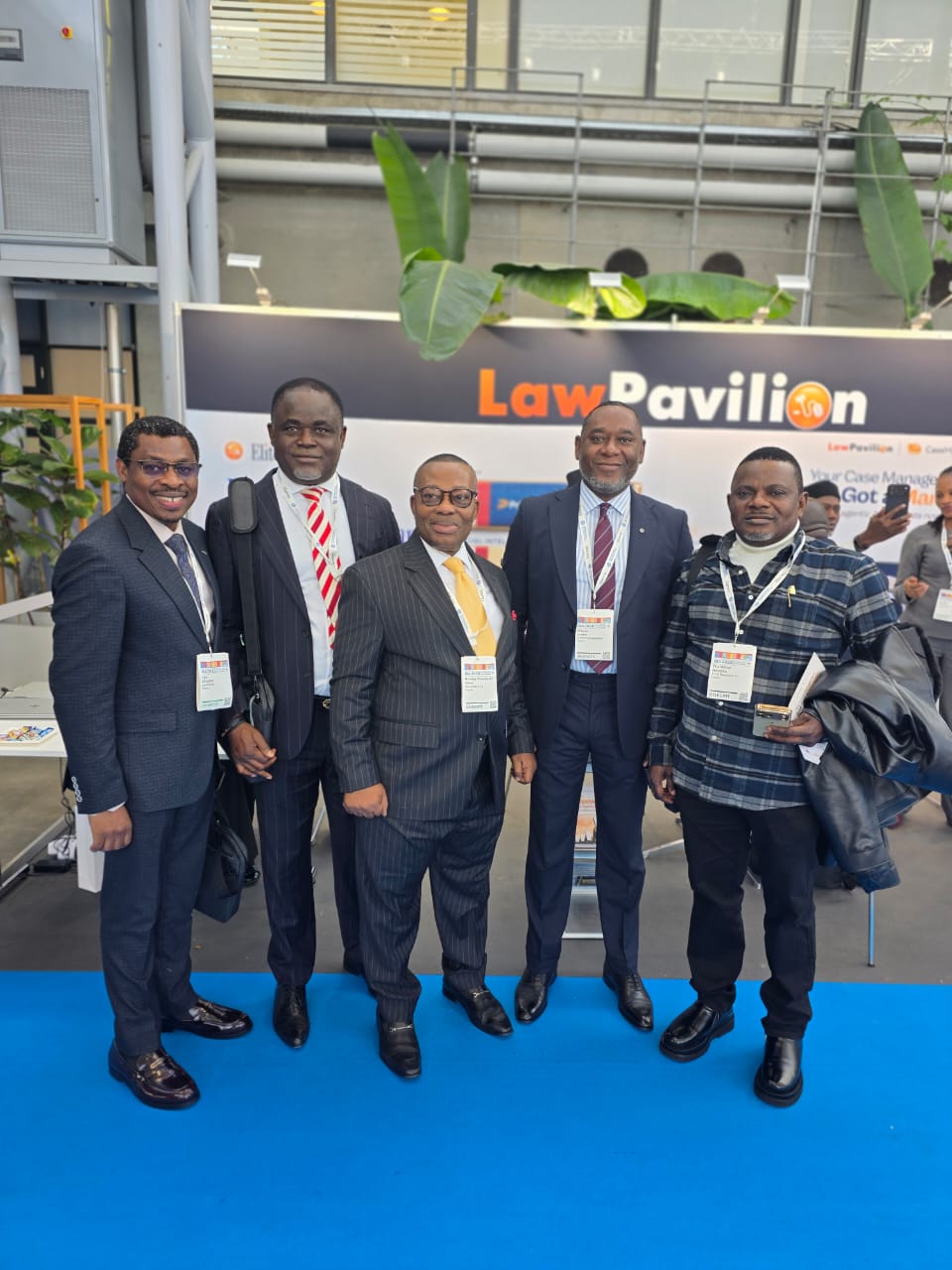
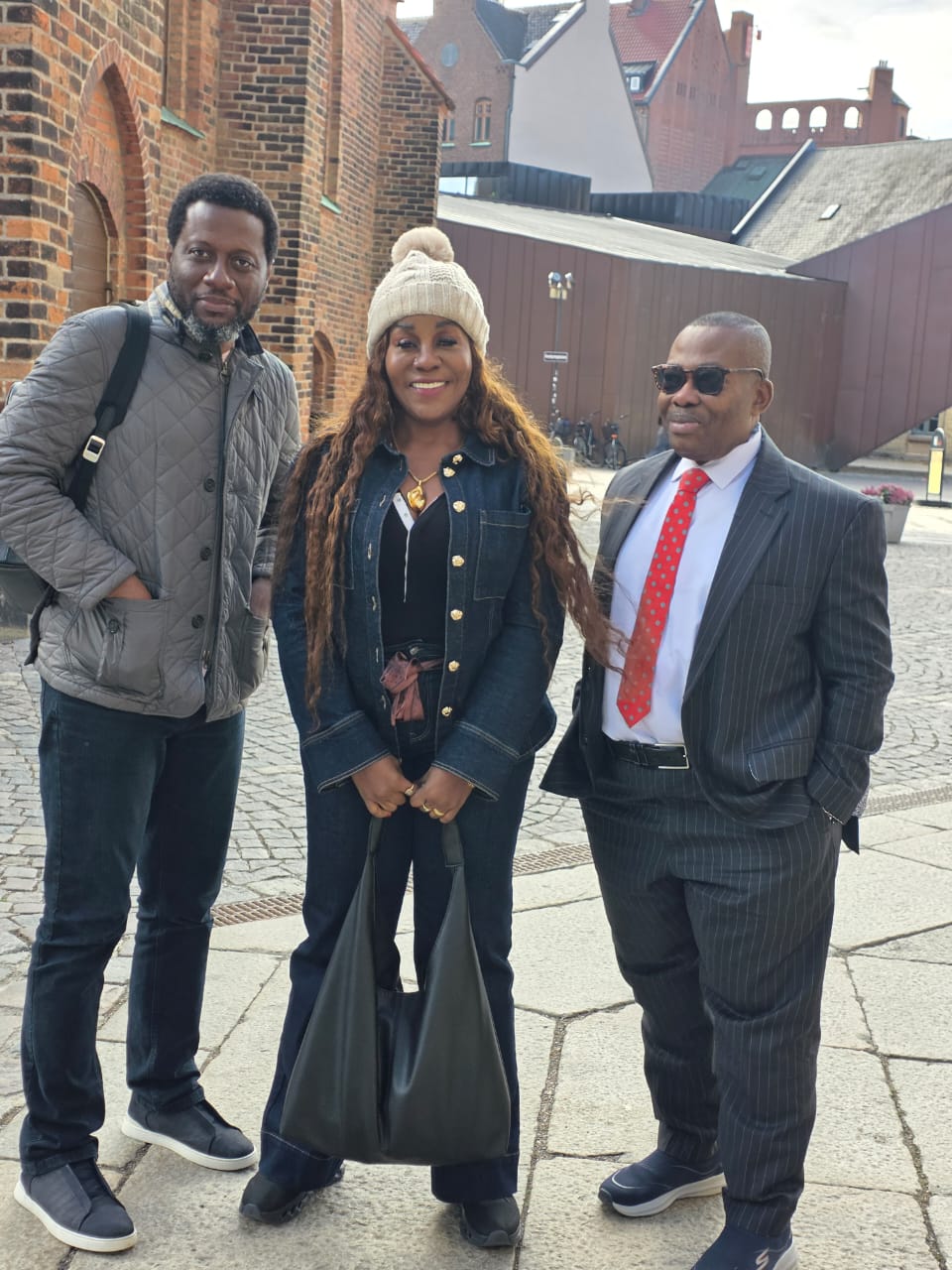
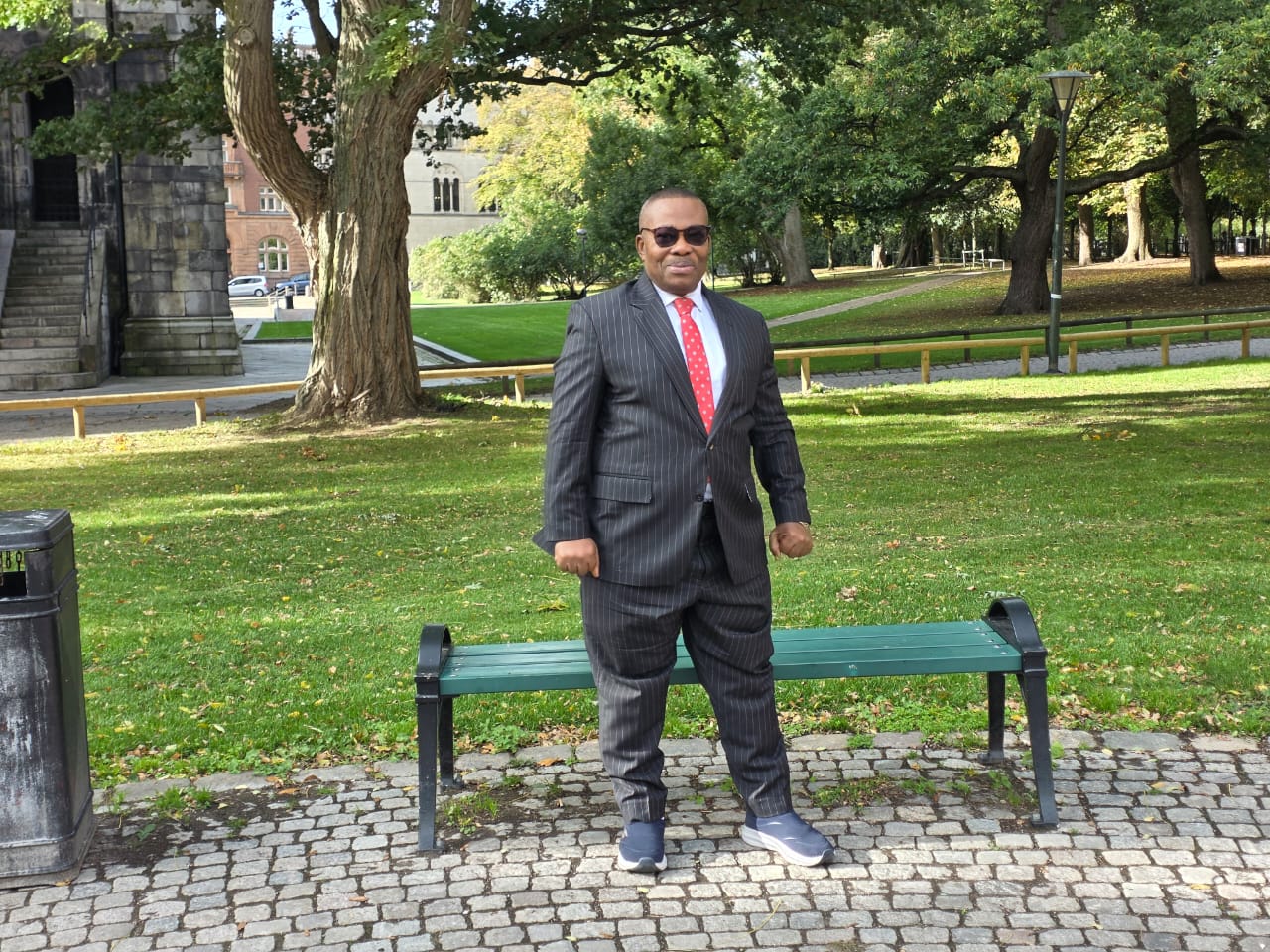
In a reflective piece titled “Would Ubani Mind Paying 50% Tax in Nigeria If I Got Denmark’s Quality of Life? My Copenhagen Experience,” Ubani explained how his recent visit to Copenhagen, alongside tourism visits to Sweden and another Scandinavian destination identified as Hamlet in his original account, provided valuable insights into the relationship between effective governance, responsible resource management and citizens’ welfare.
Although the IBA conference provided a platform for professional engagement and advocacy for greater culinary diversity at future international conferences, Ubani said his experience extended beyond legal discussions and professional networking.
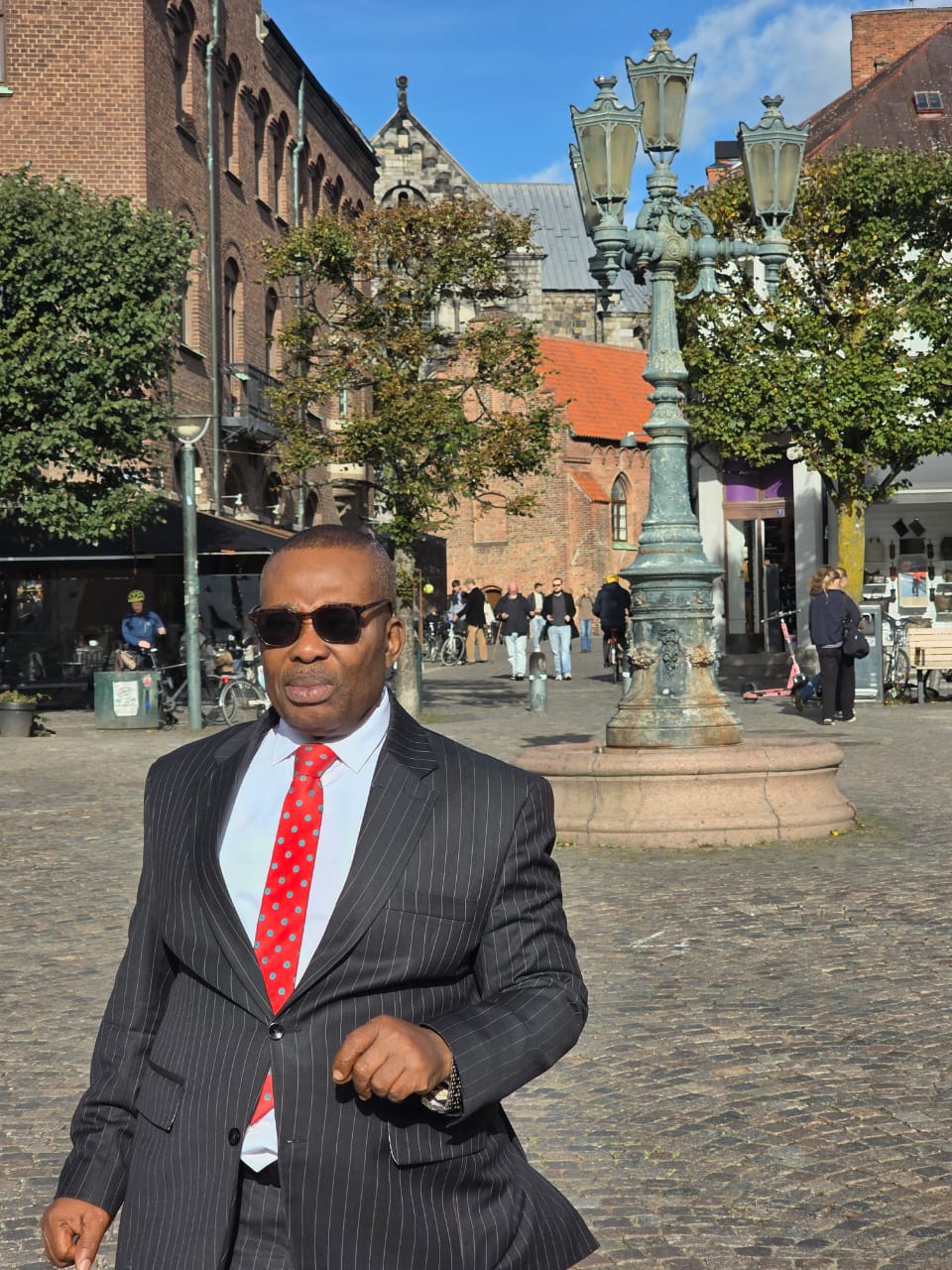
He described the trip as an opportunity to examine how well-organised societies function and to reflect on the lessons Nigeria could draw from countries that have invested considerably in public infrastructure, institutional development and social welfare.
One of the most striking aspects of Ubani’s experience was Copenhagen’s transportation system, particularly its extensive cycling infrastructure, reliable metro services and well-maintained public spaces.
He observed that bicycles are an integral part of everyday transportation in the Danish capital, supported by dedicated cycling routes and road designs that promote safety. The city’s metro system is also reliable, accessible and integrated with other forms of transportation, making movement easier for residents and visitors.
Beyond transportation, Ubani noted the cleanliness, security and general organisation of public spaces, describing these features as evidence of a society where infrastructure and public services are designed to improve the everyday experiences of citizens.
He contrasted this with the challenges confronting many Nigerians, including poor roads, unreliable electricity, inadequate public transportation and limited access to essential services.
According to him, what may appear extraordinary to many Nigerians has become part of the ordinary expectations of daily life in Denmark.
Ubani argued that a nation’s greatness should not be measured solely by its natural resources, economic statistics or the wealth accumulated by a privileged few. Rather, the true measure of development should include the quality of life available to the majority of its citizens, the reliability of public services and the dignity with which people conduct their daily affairs.
He maintained that Denmark’s experience demonstrates the importance of making citizens’ welfare a central consideration in public policy.
THE TAXATION QUESTION: WHAT DO CITIZENS GET IN RETURN?
A major lesson Ubani drew from his Scandinavian experience concerns Denmark’s relatively high-tax system.
He acknowledged that, depending on income and applicable taxes, some taxpayers in Denmark can face marginal tax rates around or above 50 per cent, a figure that could appear excessive to Nigerians already grappling with rising living costs and economic hardship.
However, he argued that the more important question is not simply how much citizens pay in taxes, but what they receive in return.
Denmark provides publicly funded education, broad access to healthcare, social protection and public infrastructure. Although its system also faces challenges, including waiting lists, debates over public expenditure and disagreements about government policies, Ubani observed that the relationship between taxation and public services is more visible than what many Nigerians experience.
He stressed that citizens are more likely to accept taxation when they can see tangible benefits in their everyday lives.
Such benefits, he explained, include functioning schools, adequately equipped hospitals, dependable public transportation, safe roads, reliable public utilities and a clean environment.
Conversely, when governments demand more financial contributions from citizens without delivering corresponding public value, taxation can become a source of frustration, resentment and distrust.
For Ubani, the central issue is therefore not merely the amount of revenue government collects, but how responsibly and effectively that revenue is utilised.
NIGERIA’S NATURAL WEALTH AND THE CHALLENGE OF DEVELOPMENT
Reflecting on Nigeria’s development challenges, Ubani argued that the country possesses enormous natural and human resources capable of supporting a much higher standard of living.
He identified crude oil, natural gas, fertile agricultural land, a vibrant population, entrepreneurial energy and substantial human capital as some of Nigeria’s greatest assets.
However, he expressed concern that these advantages have not translated into consistent improvements in the living conditions of the majority of Nigerians.
He questioned why a country blessed with oil and gas continues to struggle with reliable electricity, why parents must make enormous sacrifices to educate their children only for many graduates to face unemployment and uncertainty, and why access to quality healthcare remains heavily dependent on personal financial capacity.
He also drew attention to the poor state of roads, the economic losses associated with inadequate infrastructure and the barriers that persons with disabilities continue to encounter when accessing public buildings and essential services.
These challenges, he maintained, should concern every responsible Nigerian, particularly political leaders and public officials entrusted with managing the nation’s resources.
According to Ubani, the problem is not necessarily a lack of resources, but the persistent difficulty of converting available resources into sustainable public prosperity.
He argued that the Nigerian experience makes it imperative to examine the quality of leadership, the effectiveness of public institutions and the transparency of government spending.
“I WOULD NOT MIND PAYING HIGHER TAXES IF NIGERIA DELIVERED DENMARK’S QUALITY OF LIFE”
In what forms the central argument of his reflection, Ubani declared that he would be willing to pay higher taxes in Nigeria if the government could provide a standard of living comparable to what he experienced in Denmark.
He was, however, careful to clarify that his position should not be interpreted as a call for Nigeria to immediately introduce a 50 or 60 per cent tax rate.
Such a proposal, he explained, would be inappropriate without considering Nigeria’s prevailing income levels, poverty rates, cost of living, large informal economy and the government’s capacity to provide essential public services.
He also cautioned against assuming that a tax system that works in Denmark could automatically produce the same results in Nigeria.
Instead, Ubani called for a fundamental shift in the country’s understanding of taxation and governance.
He argued that taxation should not be treated primarily as an instrument for extracting money from citizens, but as a means of financing public development, expanding opportunities and improving living conditions.
Before asking Nigerians to pay more, he maintained, government must demonstrate a genuine commitment to transparency, prudent spending, the reduction of waste, the fight against corruption and the delivery of measurable results.
He further argued that taxpayers should be able to assess government performance by examining not only the revenue collected but also the projects completed, services provided and improvements achieved with public funds.
THE NIGERIA NIGERIANS DESERVE
Ubani outlined a vision of a Nigeria where citizens can see clear evidence of the benefits of taxation in their communities.
He called for properly maintained roads, functioning streetlights, safe pedestrian walkways, attractive public spaces and efficient waste-management systems.
He also advocated urban planning that prioritises people rather than vehicles alone, alongside safe, affordable and dependable public transportation systems that connect communities and support economic activity.
On electricity, he expressed the need for a country where homes and businesses enjoy reliable power, reducing excessive dependence on generators and the associated financial burden on households and entrepreneurs.
Healthcare, he said, must be accessible without forcing citizens into financial hardship. He called for functional primary healthcare centres, adequately equipped public hospitals, qualified medical personnel, essential medicines and dependable emergency services.
Education was another critical priority in his vision of a developed Nigeria.
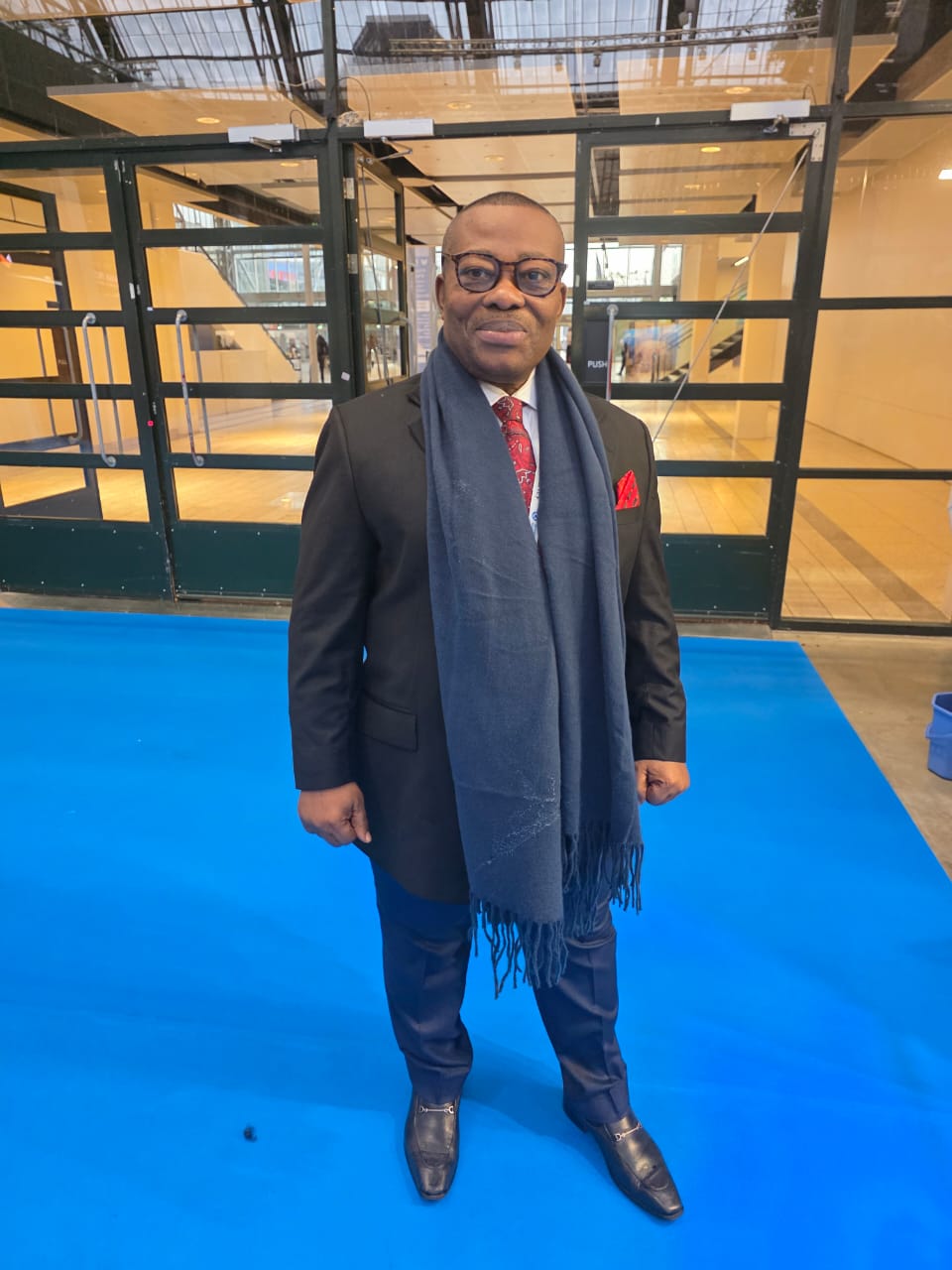
Ubani argued that every child should have access to quality basic education, qualified teachers, safe classrooms, libraries, laboratories and digital learning resources.
He also advocated affordable and accessible university education, with higher institutions positioned to drive research, innovation, skills development and economic growth.
According to him, these objectives are achievable, provided the country demonstrates sustained commitment to strategic planning, institutional discipline, responsible investment and accountable leadership.
Ubani explained that his reflections were informed not only by his recent Scandinavian experience but also by visits to several countries across different continents, including Australia, the United States, the United Kingdom, Mexico, Italy, Singapore, the United Arab Emirates and South Africa.
Nevertheless, he said his experience in Denmark and other Scandinavian destinations left a particularly strong impression on him.
What stood out, according to him, was the consistency of quality in everyday life, evident in transportation, urban planning, public spaces and the organisation of essential services.
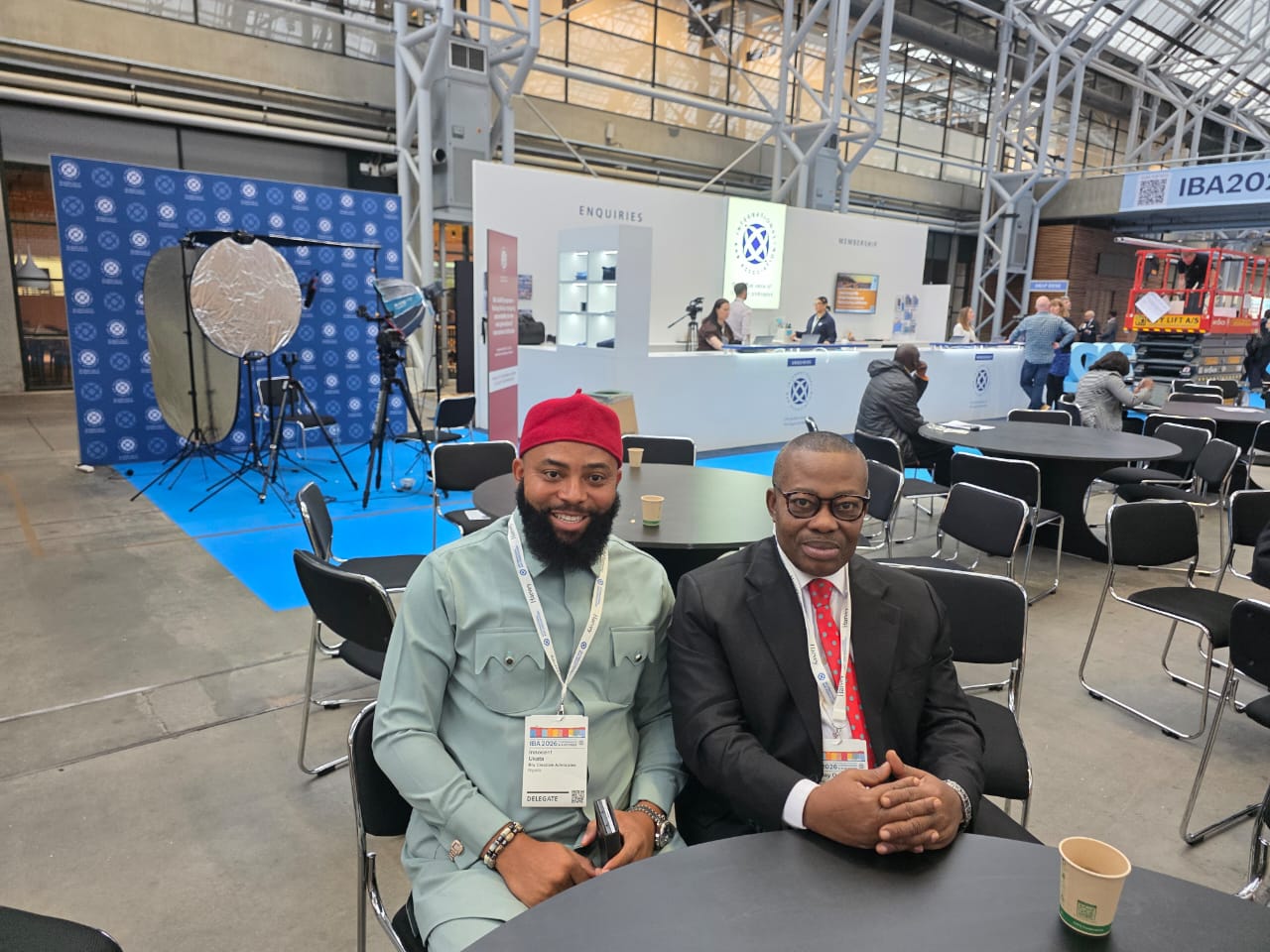
He observed that these countries have developed systems suited to their own circumstances, drawing lessons from different governance traditions while adapting policies to meet their national aspirations.
For Nigeria, he said, the lesson is not to copy another country’s model without considering local realities, but to identify effective principles that can be adapted to the nation’s economic, political and social conditions.
He emphasised that strong institutions, effective public policies and responsible leadership play critical roles in national development.
Natural resources, he argued, cannot independently guarantee prosperity without the institutional capacity to manage them effectively and translate their value into benefits for citizens.
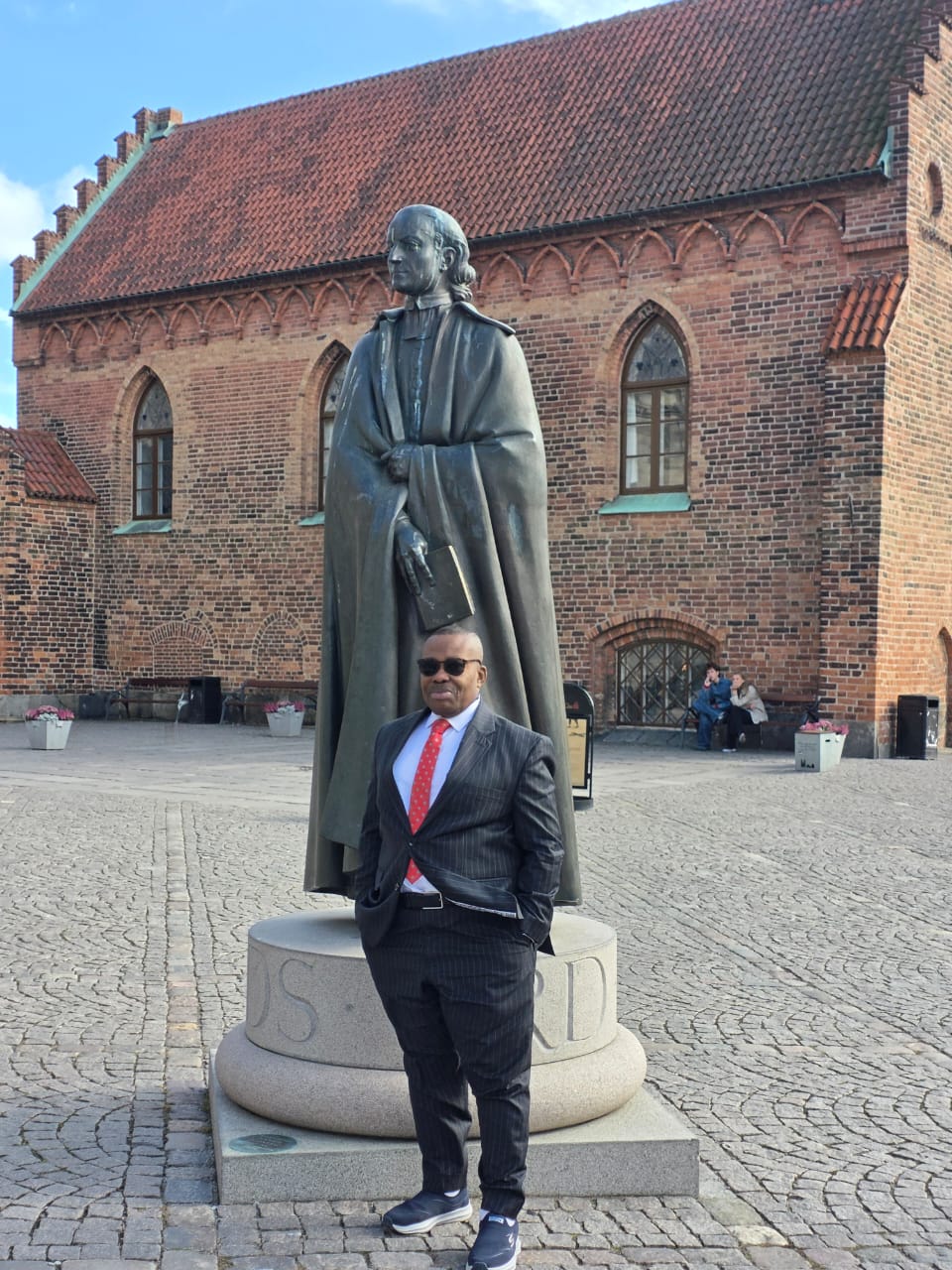
ACCOUNTABLE LEADERSHIP AS THE FOUNDATION OF PROSPERITY
Ubani expressed optimism that Nigeria can achieve a higher standard of living, provided its leaders demonstrate the political will, discipline and commitment required to transform the country’s enormous potential into tangible results.
He called for intentional and accountable leadership that places the welfare of the people at the centre of public administration.
He also emphasised the importance of godly principles in leadership, identifying integrity, justice, compassion, stewardship and a strong sense of responsibility as essential values for those entrusted with public power.
According to him, public office should be understood as a position of responsibility and service rather than an opportunity for personal enrichment.
He maintained that a functional tax system must be supported by institutions capable of ensuring that public revenue is collected fairly, managed transparently and deployed to meet the needs of citizens.
For Ubani, the ultimate objective should be to establish a system in which taxation contributes directly to national development and the creation of a society where citizens enjoy greater security, opportunity and dignity.
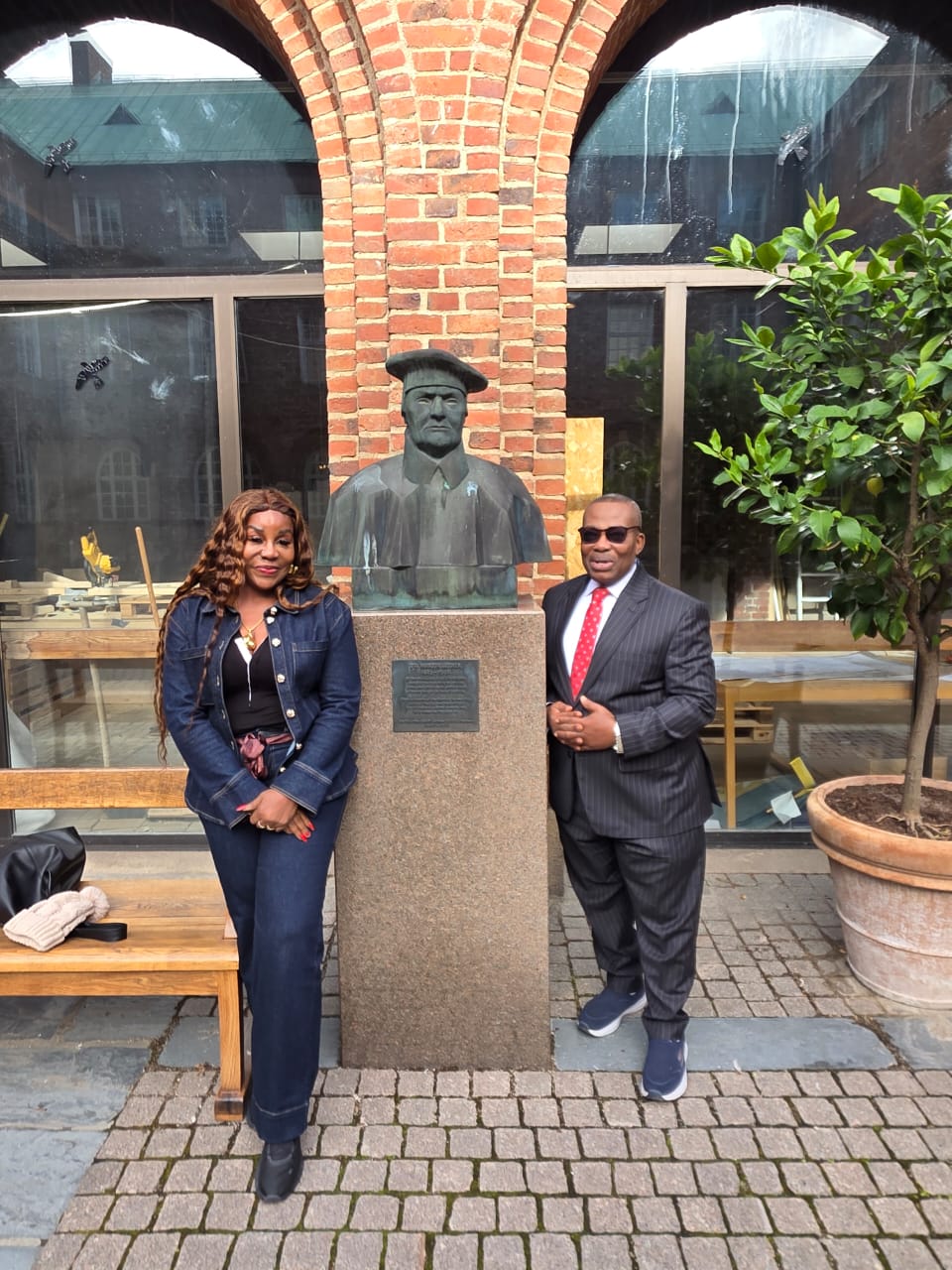
Concluding his reflection, Ubani reiterated his willingness to pay taxes at rates comparable to those applicable in Scandinavian countries if Nigeria could provide a corresponding quality of life.
He acknowledged that Nigerians may hold different opinions on the issue, particularly given the country’s present economic realities, but urged citizens to look beyond tax percentages and consider the broader relationship between taxation, public services and good governance.
He posed a fundamental question: Would Nigerians be more willing to pay taxes if they could see their contributions reflected in good roads, reliable electricity, quality education, accessible healthcare, efficient public transportation and a government that accounts for every naira?
For him, the answer is clear.
Nigeria has the potential to become a country where citizens enjoy better living conditions, greater economic opportunities and stronger social protection. Achieving that goal, however, requires more than increasing government revenue. It demands effective institutions, responsible management of public funds, transparent governance and leadership genuinely committed to the welfare of the people.
His central message is that the success of taxation should not be measured solely by how much government collects, but by the value it returns to society.
The challenge before Nigeria, therefore, is not simply to collect more revenue, but to build a country where public revenue translates into public prosperity.
As Ubani concluded, the country must trust in God’s help while also taking the practical steps necessary to improve its own circumstances.
Dr. M. O. Ubani, SAN, is a legal practitioner and policy analyst.
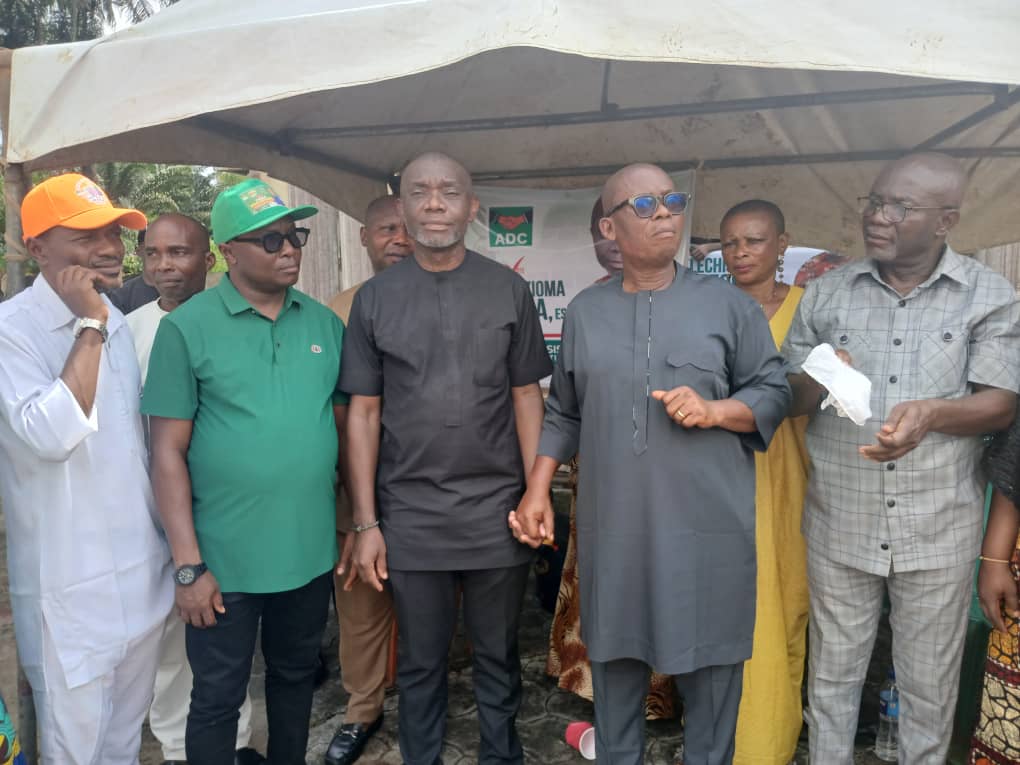
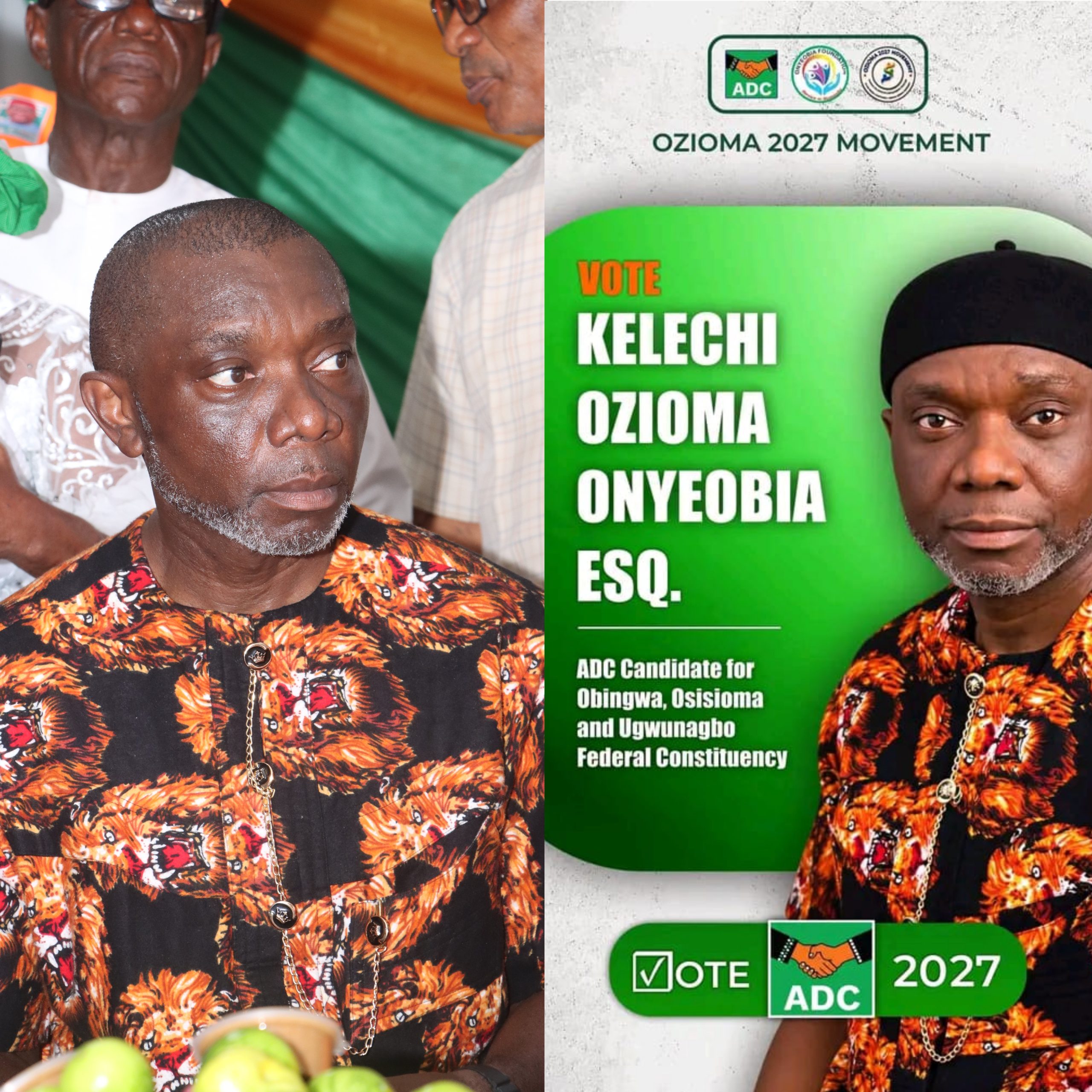
Barr. Kelechi Ozioma Onyeobia, the African Democratic Congress (ADC) candidate for the Obingwa, Osisioma and Ugwunagbo Federal Constituency, has called for stronger party unity, strategic planning and intensified grassroots mobilisation ahead of the 2027 general elections.
On Wednesday, October 21, 2026, Onyeobia held an interactive meeting with the ADC Osisioma 5-Arms Local Government and Ward Executives in Osisioma Ngwa, Abia State, to assess the party’s progress, review mobilisation strategies and identify areas requiring improvement.
Speaking at the meeting, the ADC Chairman in Osisioma Ngwa, Hon. Obioma Ogbonna, commended the candidates for their commitment to the party’s growth and pledged continued support, urging leaders and stakeholders to sustain cooperation.
Other party leaders, including Hon. Emeka Ahukanna, ADC LGA Secretary; Hon. Michael Onyekwere, Ward 1 Chairman; and Hon. Chibuzor Akokwu, Ward 6 Chairman, highlighted ongoing efforts to strengthen the party through ward level engagement and grassroots mobilisation.
Similarly, Hon. Dan Onwutuebe, Osisioma Ngwa Coordinator of the Atiku Abubakar/Rotimi Amaechi Campaign Organisation, expressed confidence in Onyeobia’s candidacy and urged members to work collectively towards electoral victory in 2027.
The Deputy Director General and Osisioma Coordinator of the Ozioma Movement, Hon. Obinna Otuonye, also encouraged members to spread the OZIOMA message across communities, assuring them of an inclusive movement guided by the popular Igbo expression, “Onye ruo ma, ya eri ma”, emphasising the principle that everyone should have a role in collective progress.
Addressing the executives, Barr. Onyeobia urged them to remain united, proactive and committed to delivering victory for all ADC candidates. He stressed the need for consistent community engagement, wider dissemination of the party’s message and stronger collaboration among leaders and stakeholders.
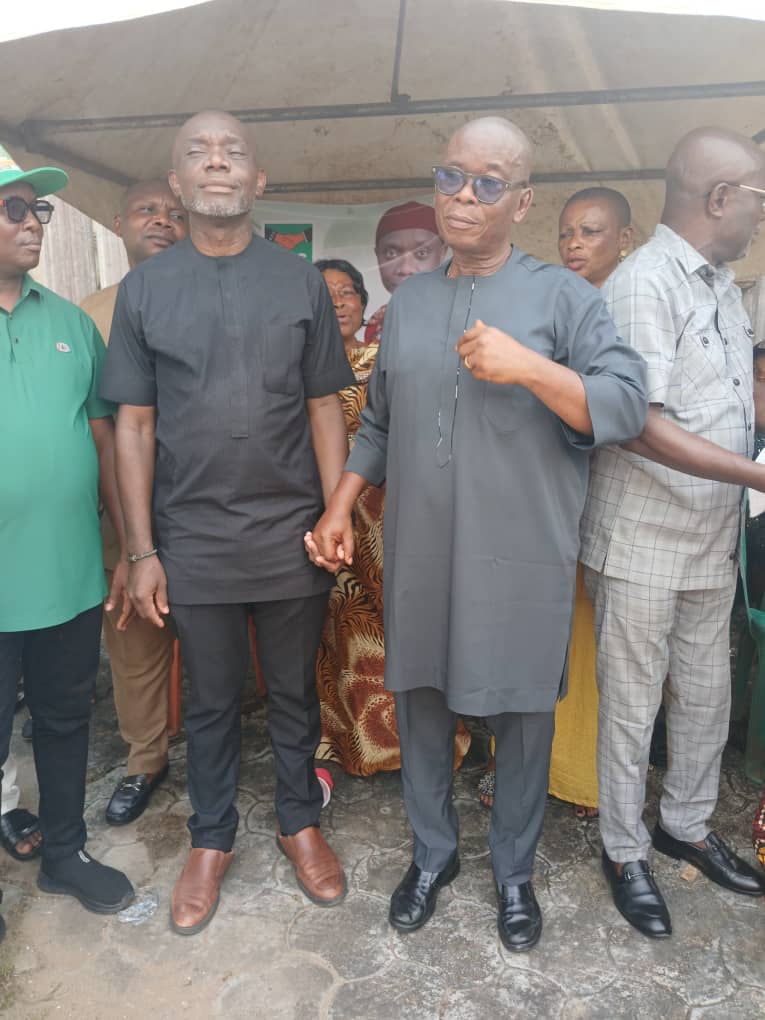
He reaffirmed his commitment to working closely with party structures to build a stronger, more inclusive and electorally competitive ADC across the federal constituency.
The meeting underscored the importance of grassroots participation, effective leadership and party unity as the ADC intensifies preparations for the 2027 general elections.
NEWS
UBANI SAN CHARGES NBA ORON ON ACCOUNTABILITY, SECURITY AND PROFESSIONAL EXCELLENCE AS BAR CENTRE PROJECT TAKES OFF
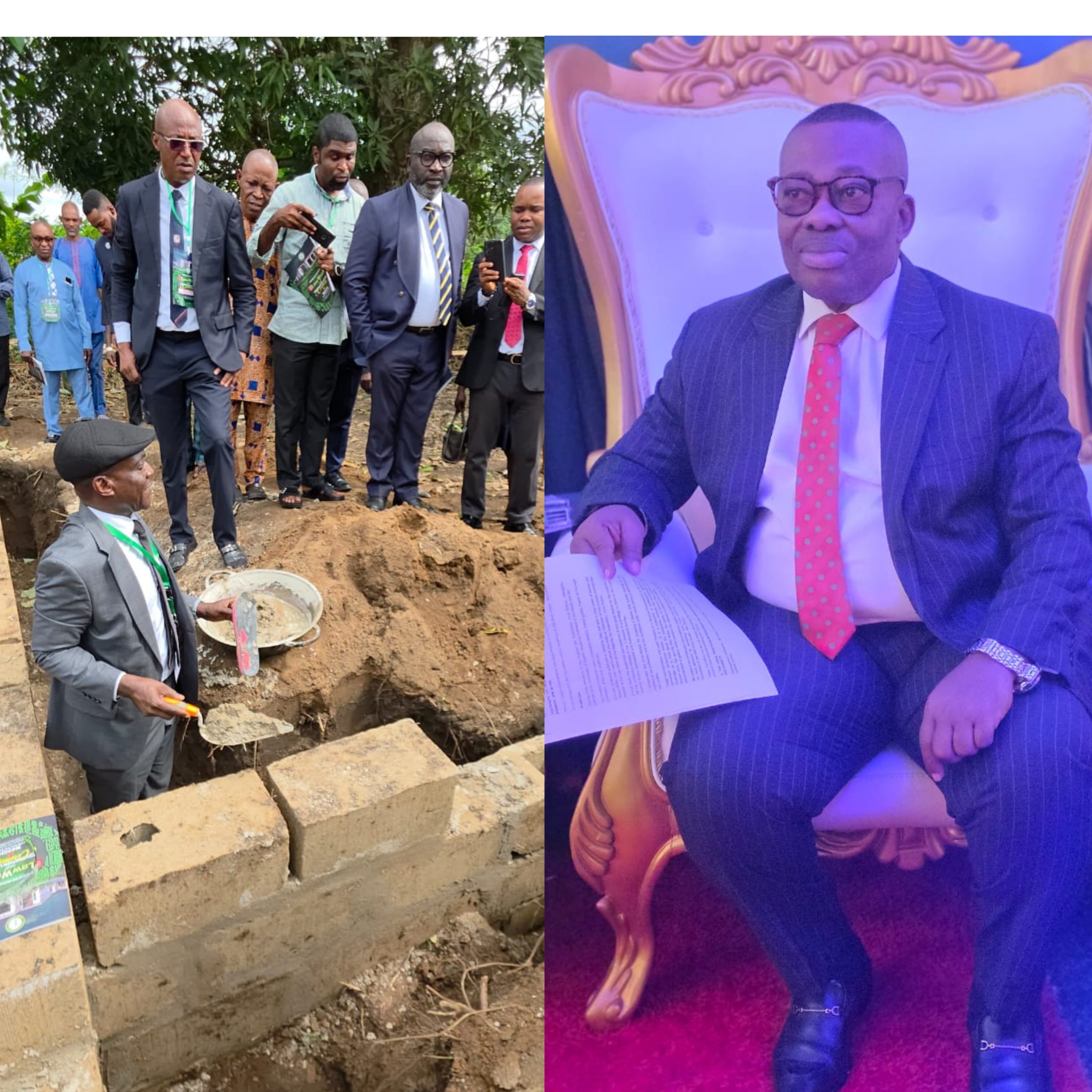
Senior Advocate says proposed NBA Oron House must promote mentorship, unity, institutional integrity and access to justice.
Dr. Monday Ubani, SAN, has called for a secure, dignified and professionally supportive environment for legal practitioners, stressing that the independence and safety of lawyers remain fundamental to the protection of the rule of law and the effective administration of justice in Nigeria.
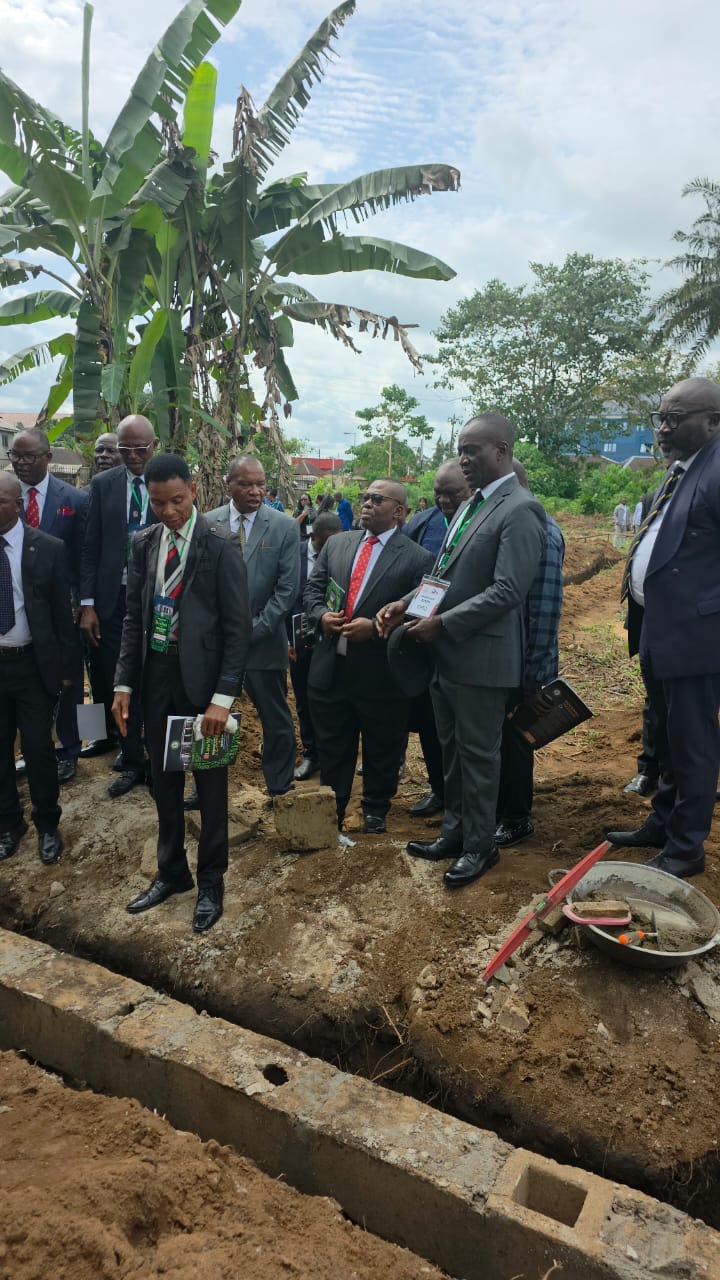
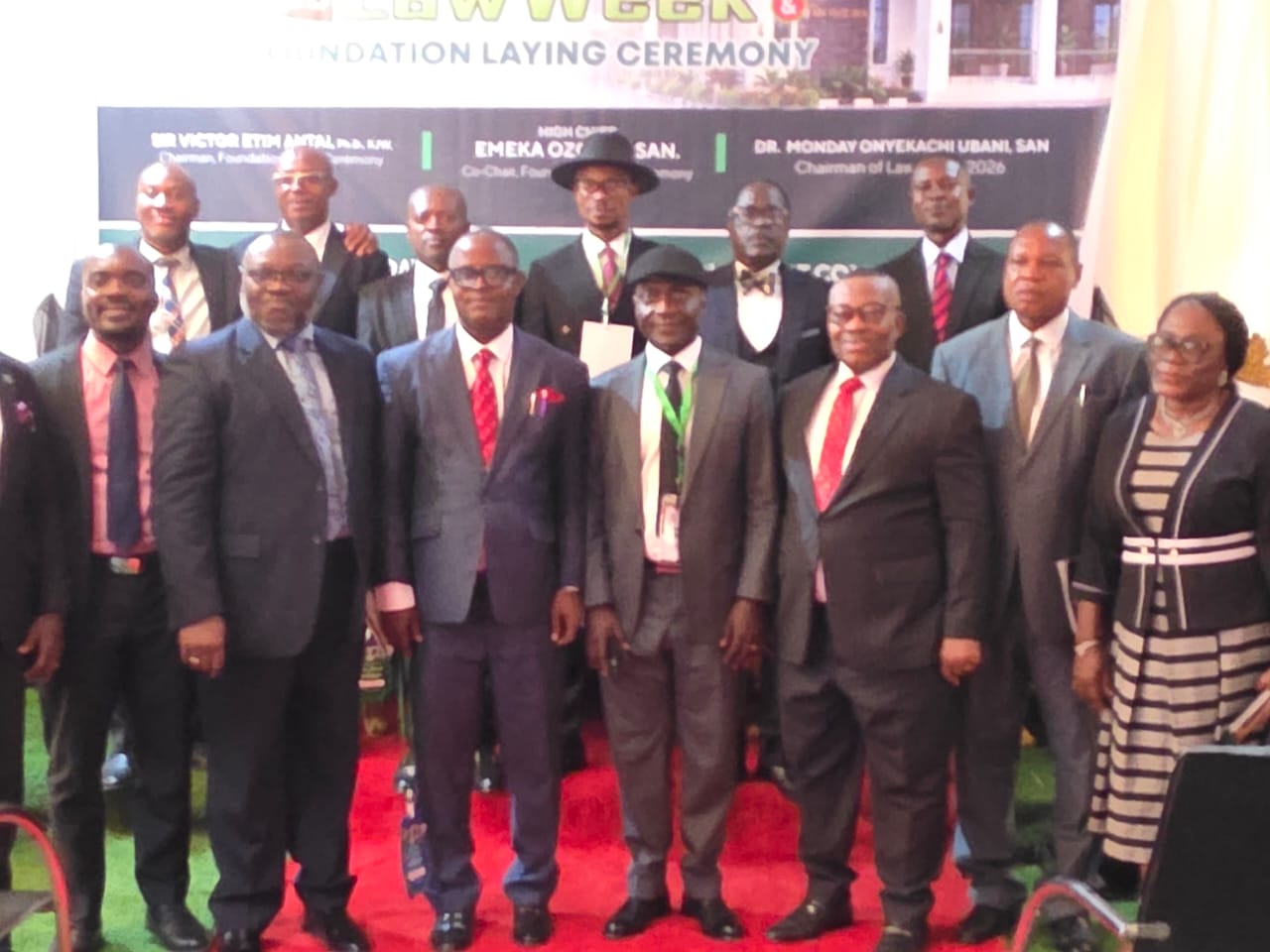
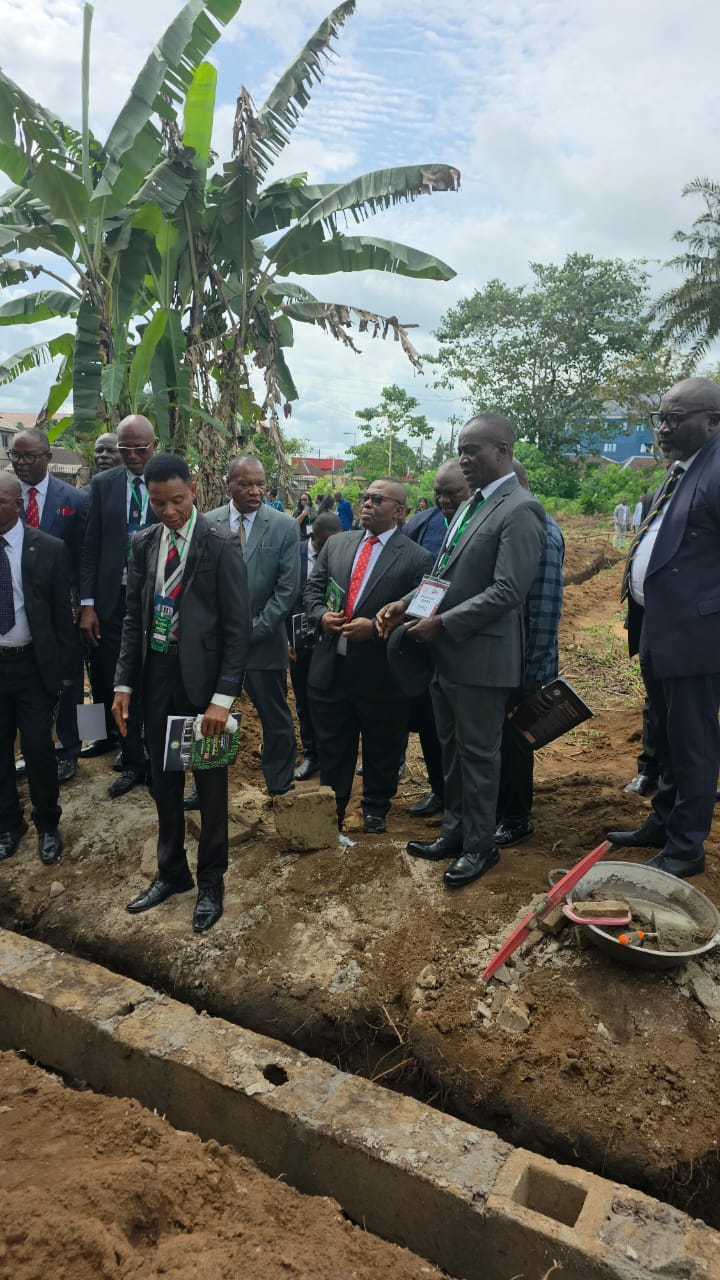
Ubani made the call while delivering the keynote address as Chairman of the Occasion at the Nigerian Bar Association (NBA), Oron Branch, Law Week, held under the theme, “Legal Administration and Legal Practice in a Secured Environment.” The event featured the foundation-laying ceremony for the proposed NBA Oron House, Bar Centre, marking a significant step towards strengthening the branch’s institutional capacity and professional development.
The senior lawyer explained that security in legal practice extends beyond physical protection to include freedom from threats, intimidation and unlawful interference, as well as the protection of confidential information, digital security and institutional safeguards.
He maintained that lawyers must be able to perform their professional duties without fear of retaliation, particularly when challenging unlawful conduct or representing clients whose interests may conflict with those of powerful individuals or institutions.
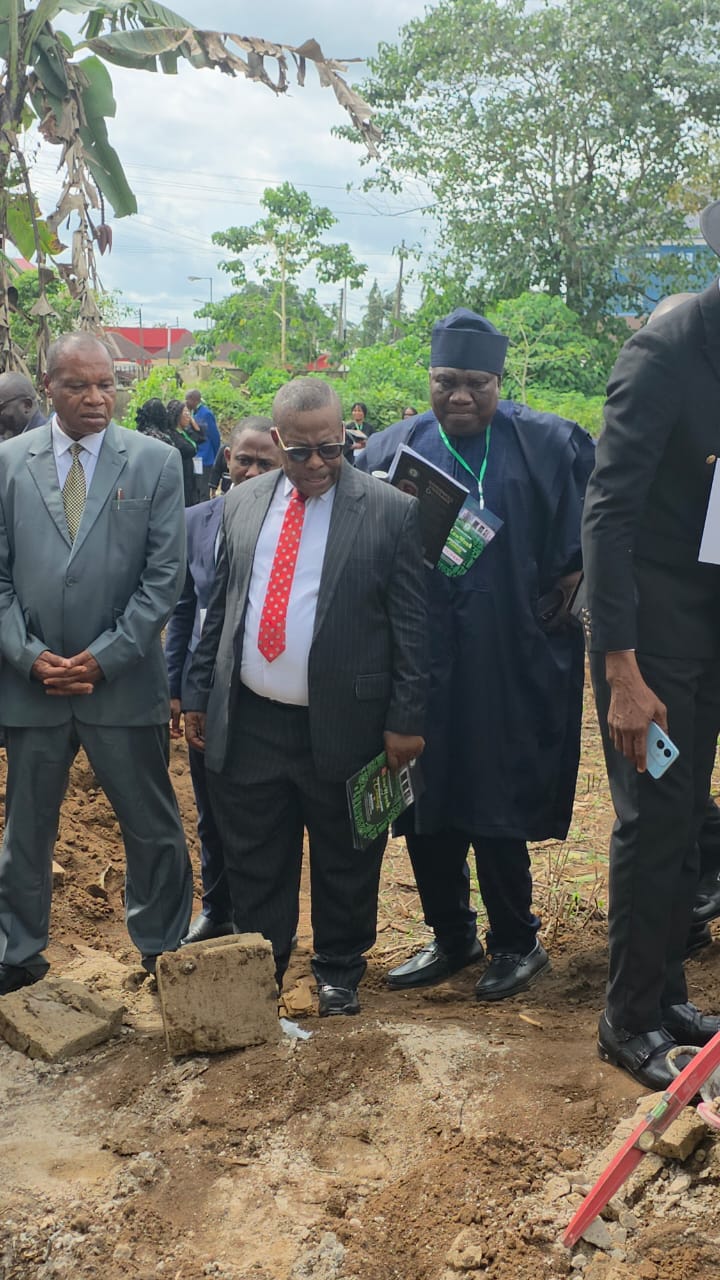
Describing the proposed NBA Oron House as more than a physical structure, Ubani said the Centre should become a lasting professional home where lawyers can exchange ideas, access continuing legal education, receive mentorship and collaborate on legal aid and public-interest initiatives.
He urged the branch to ensure that the facility is adequately equipped with functional meeting rooms, legal research resources, private consultation spaces, administrative offices, reliable utilities and appropriate security arrangements. He also emphasised accessibility for persons with disabilities and the need for a sustainable maintenance plan.
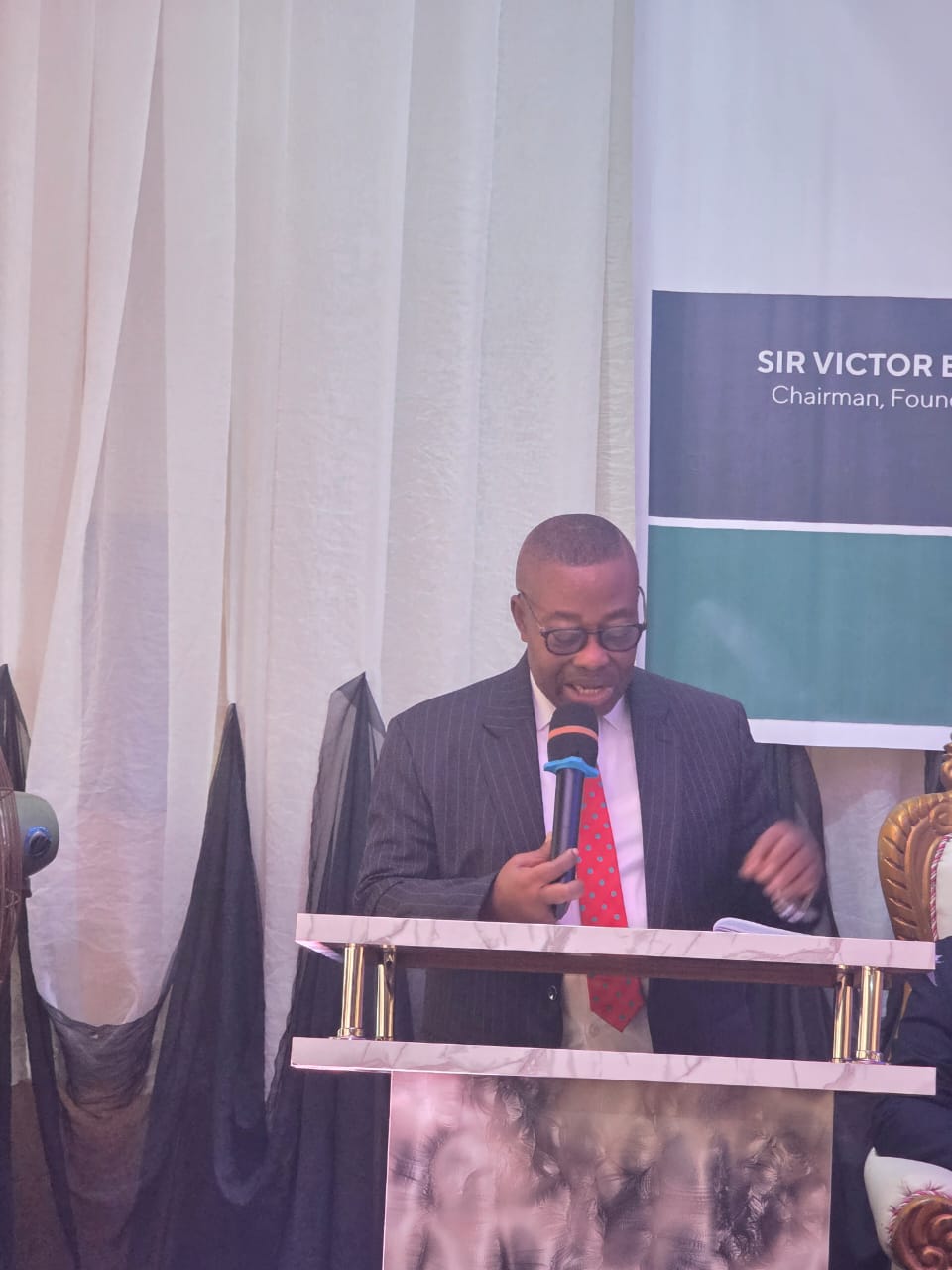 Accountability, Transparency Essential to Project’s Success
Ubani stressed that the success of the Bar Centre would depend not only on the quality of its construction but also on the transparency, integrity and accountability of those responsible for its execution.
He called for proper documentation of financial contributions and expenditure, regular progress reports, professional procurement and construction standards, and a realistic completion and management plan.
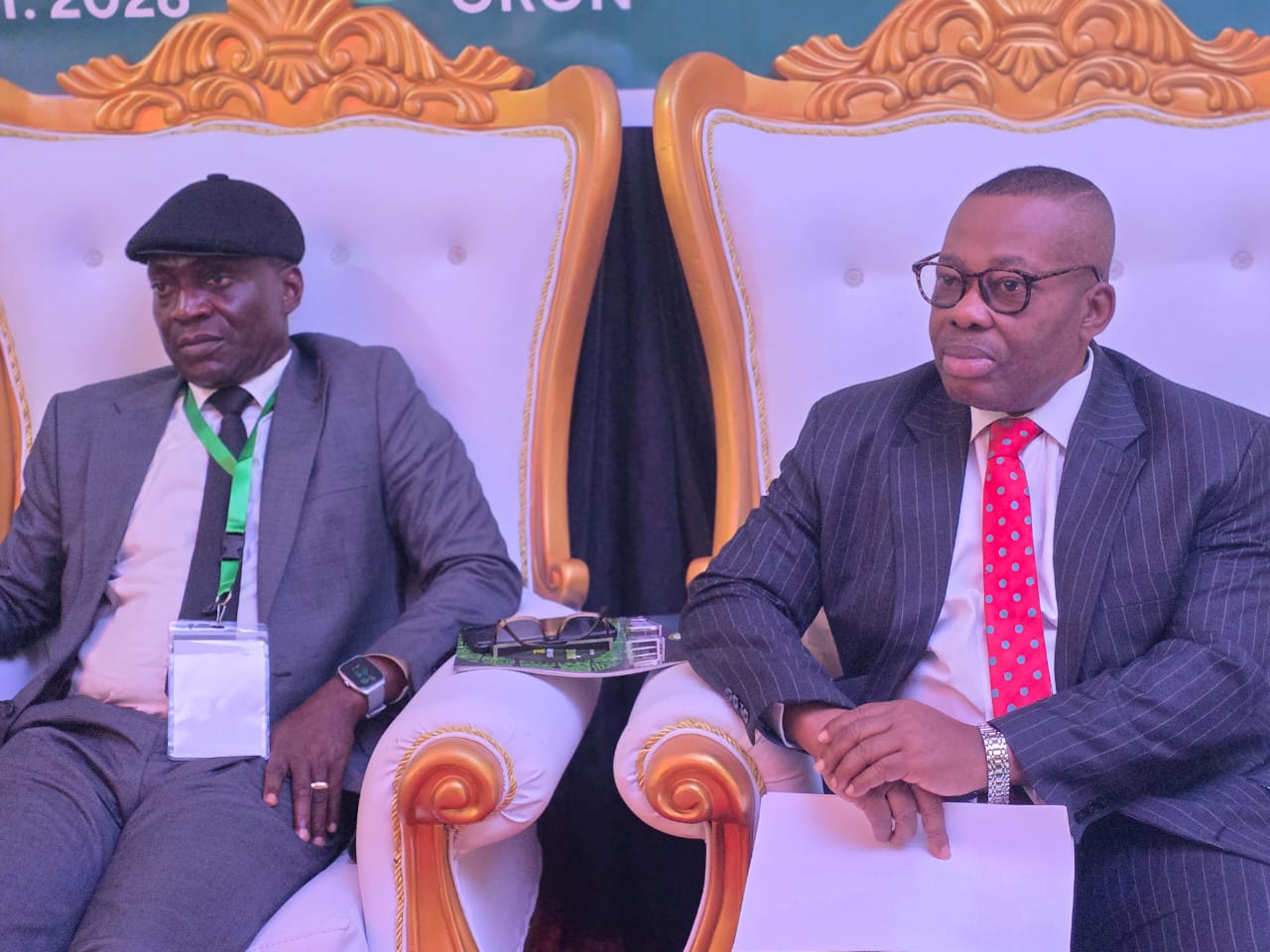
He warned against allowing the facility to become the personal property of any administration or faction, insisting that it must remain an enduring institutional asset accessible to lawyers across generations and professional backgrounds.
Drawing on his experience in NBA leadership, including his service as Chairman of NBA Ikeja Branch, Second Vice-President of the Association and Chairman of NBA-SPIDEL, Ubani urged members to prioritise the collective interests of the legal profession above personal differences, electoral divisions and individual ambitions.
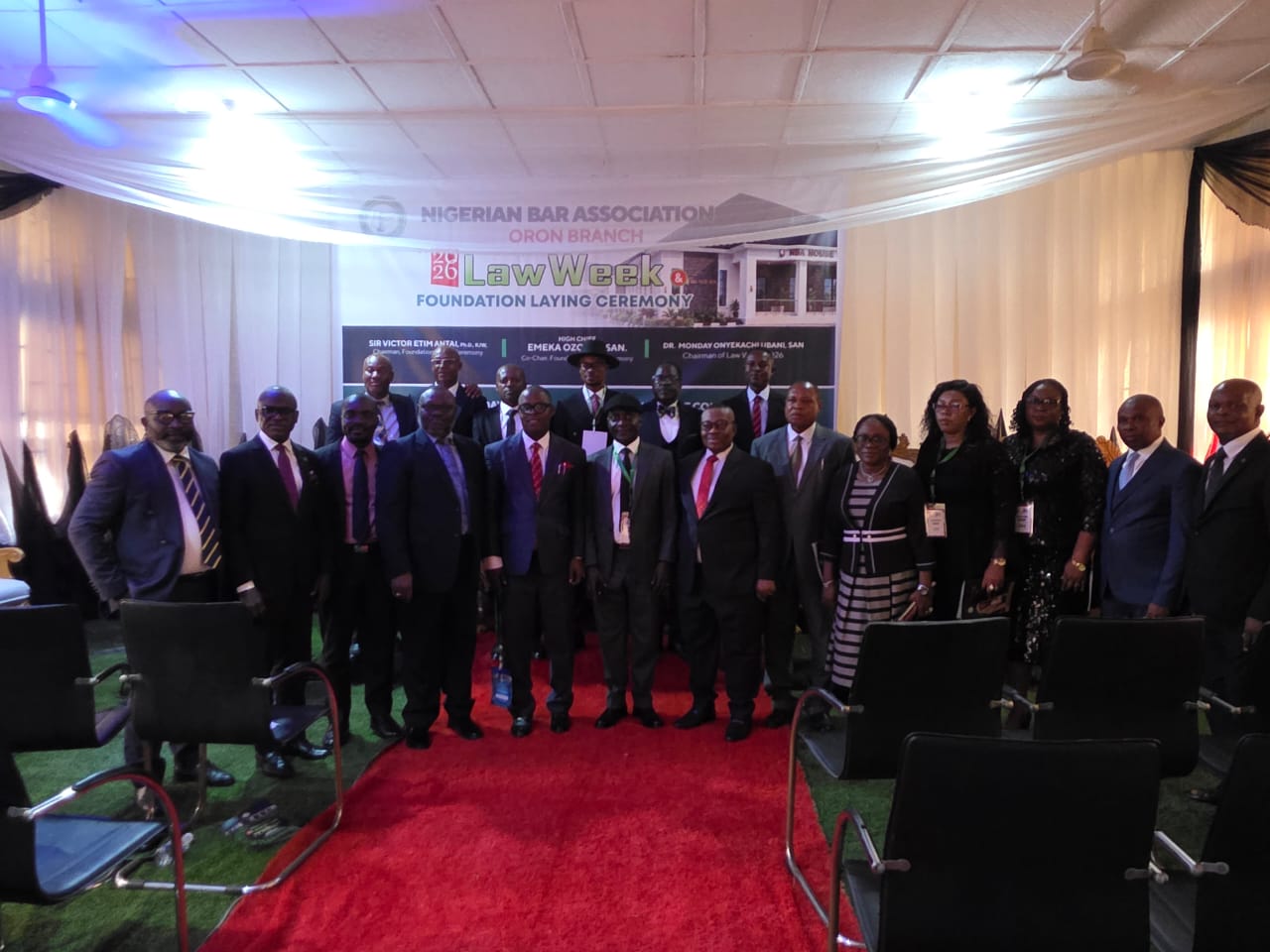
He observed that leadership tenures would eventually end, but institutions built on sound principles could serve generations to come.
Young Lawyers, Professional Development in Focus
The senior advocate also called for greater investment in young lawyers, noting that the proposed Centre should provide opportunities for mentorship, practical training, professional development and continuing legal education.
He identified the financial demands of establishing legal practice, technological changes, professional competition and the responsibility of maintaining ethical standards amid economic challenges as some of the difficulties confronting young practitioners.
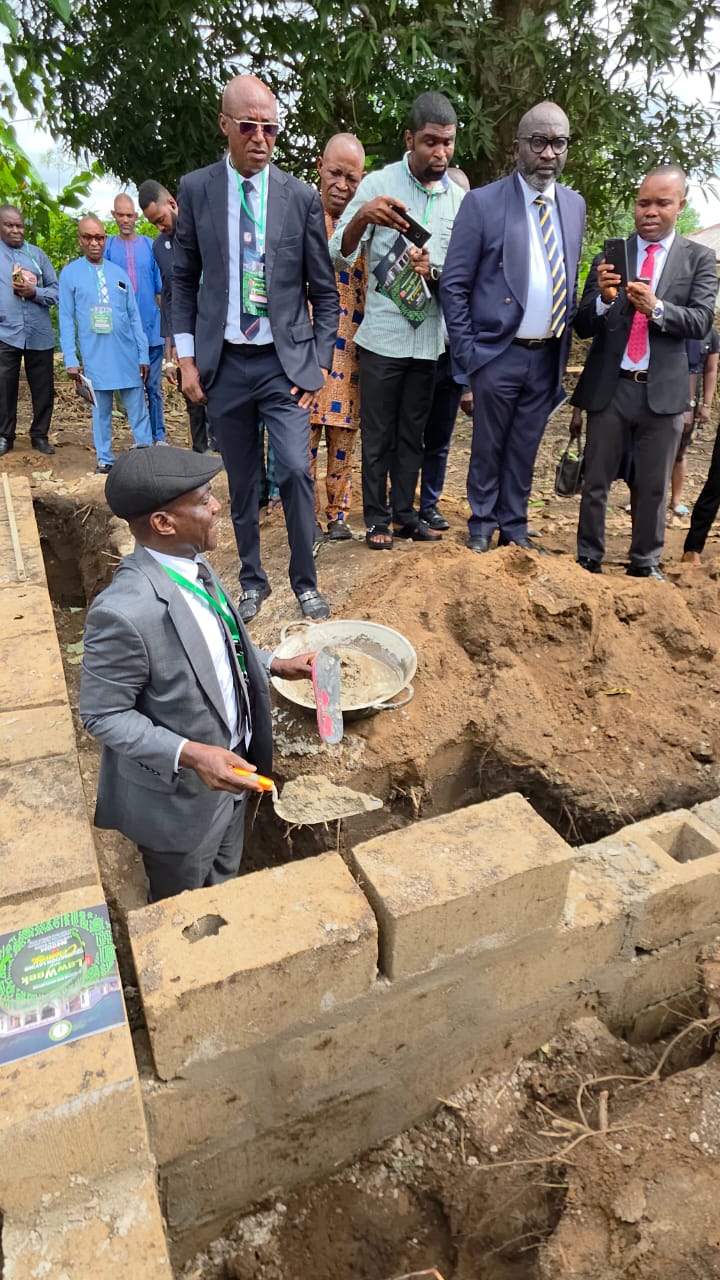
According to him, a well-managed Bar Centre could help address these challenges, strengthen professional fellowship and prepare younger lawyers for greater responsibilities in the administration of justice.
Ubani further encouraged the NBA Oron Branch to use the facility as a platform for public service through legal awareness campaigns, pro bono services and constructive engagement on human rights, criminal justice reform, electoral integrity, constitutional governance and access to justice.
He emphasised that the credibility of the legal profession should not be measured solely by the respect lawyers command in courtrooms, but also by the confidence ordinary citizens repose in them.
Calls for Support Without Compromising Bar Independence
Ubani appealed to members of the Bench, government, traditional institutions, corporate organisations, business leaders, philanthropic individuals and other friends of the legal profession to support the project.
He, however, cautioned that partnerships and external support must not compromise the independence of the Bar or undermine its professional responsibilities.
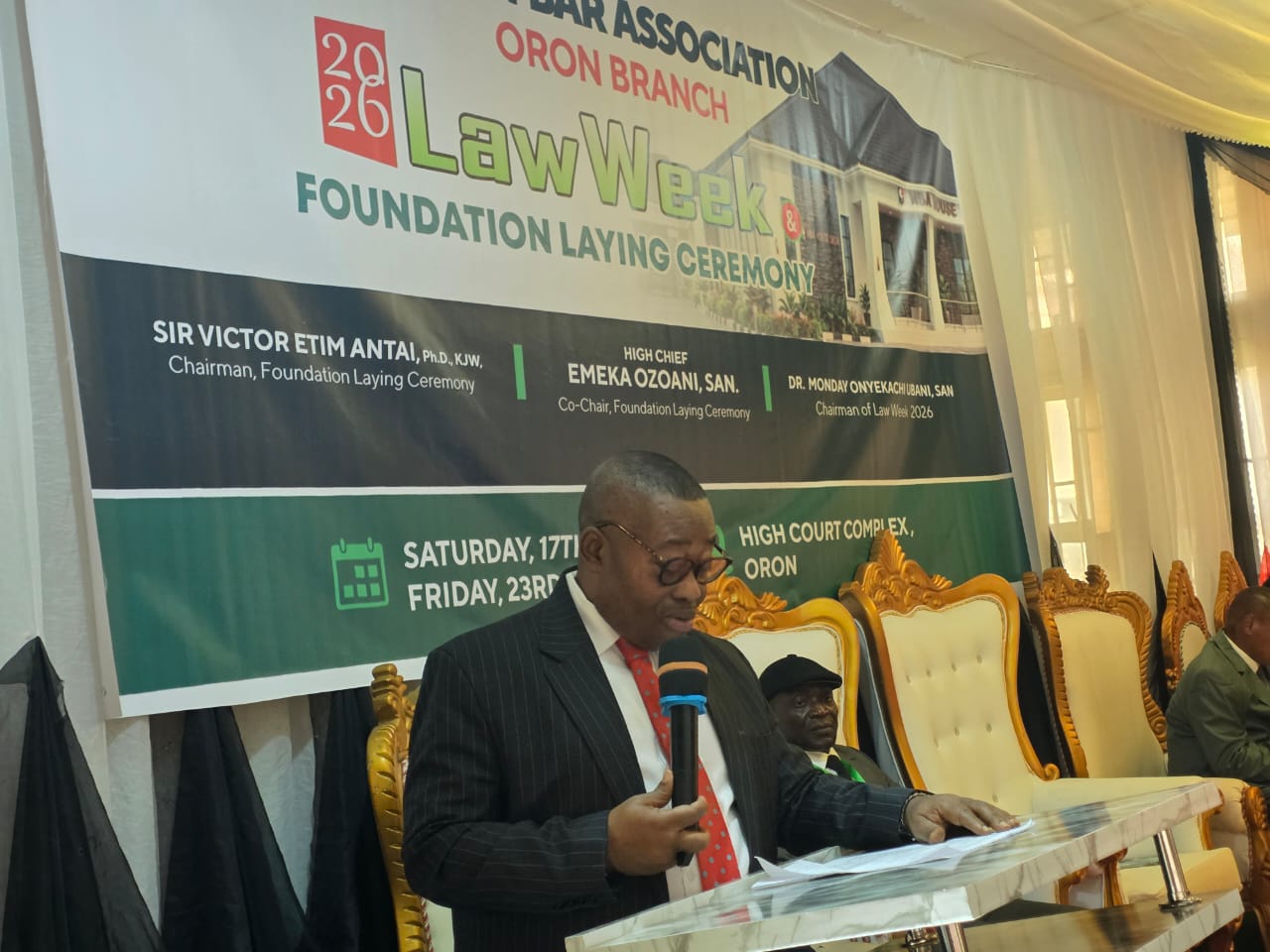
Commending the leadership and members of NBA Oron Branch for initiating the project, he urged them to sustain the commitment and collective effort that had made the foundation-laying ceremony possible.
He said the true value of the completed Centre would not be determined merely by the beauty of its structure, but by the quality of lawyers it develops, the lives it touches and its contribution to justice and the rule of law.
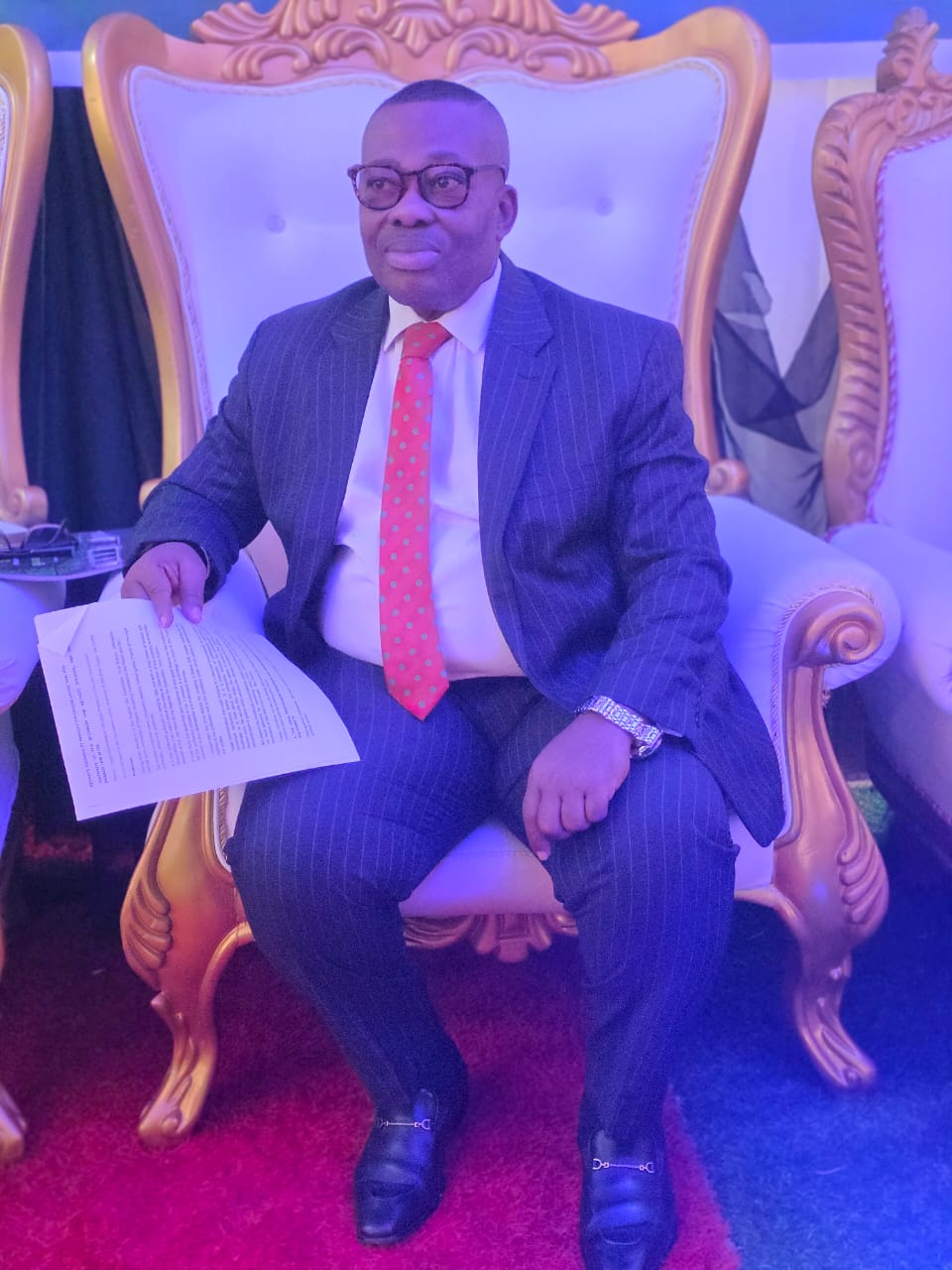
Ubani expressed the hope that NBA Oron House would become a lasting symbol of professional excellence, institutional progress and service to humanity, built on the enduring foundations of unity, integrity, transparency and accountability.
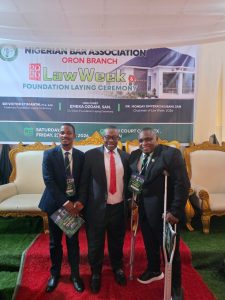 Dignitaries Grace NBA Oron Law Week
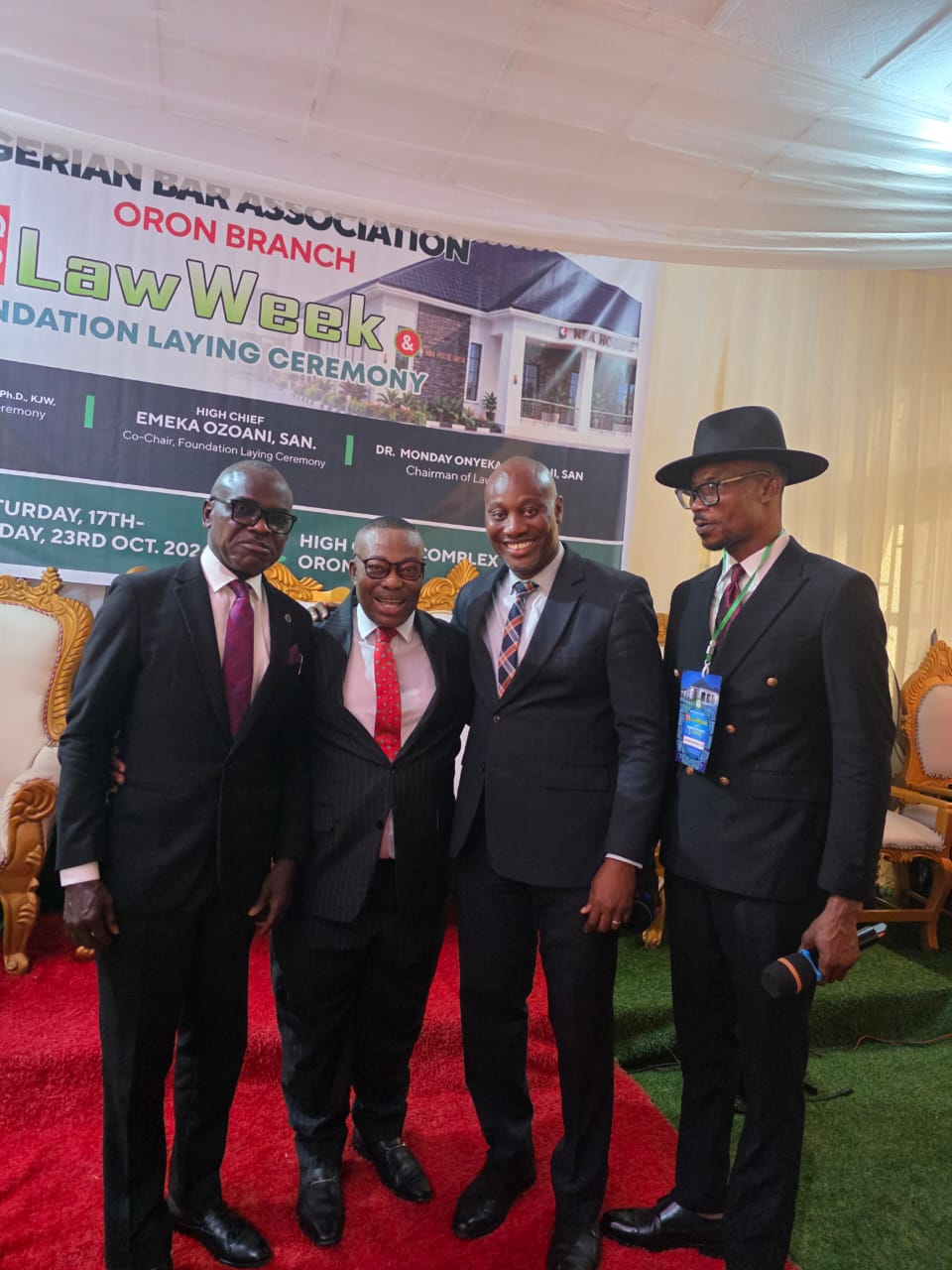
The annual event attracted prominent members of the judiciary and the legal profession, including the Chief Judge of Akwa Ibom State, Hon. Justice Ekaette F. Obot, who was represented by Hon. Justice Effiong Offiong of the State High Court.
The Attorney-General of Akwa Ibom State, Uko Udom, SAN, was also represented by a director in the State Ministry of Justice. Several judges, magistrates and Bar leaders from Eket, Uyo and Ikot Ekpene attended the occasion.
The NBA Oron Branch is chaired by Ikara O. Ikara, Esq., while Chief Godwin Effiong serves as Chairman of the Annual Law Week Planning Committee.
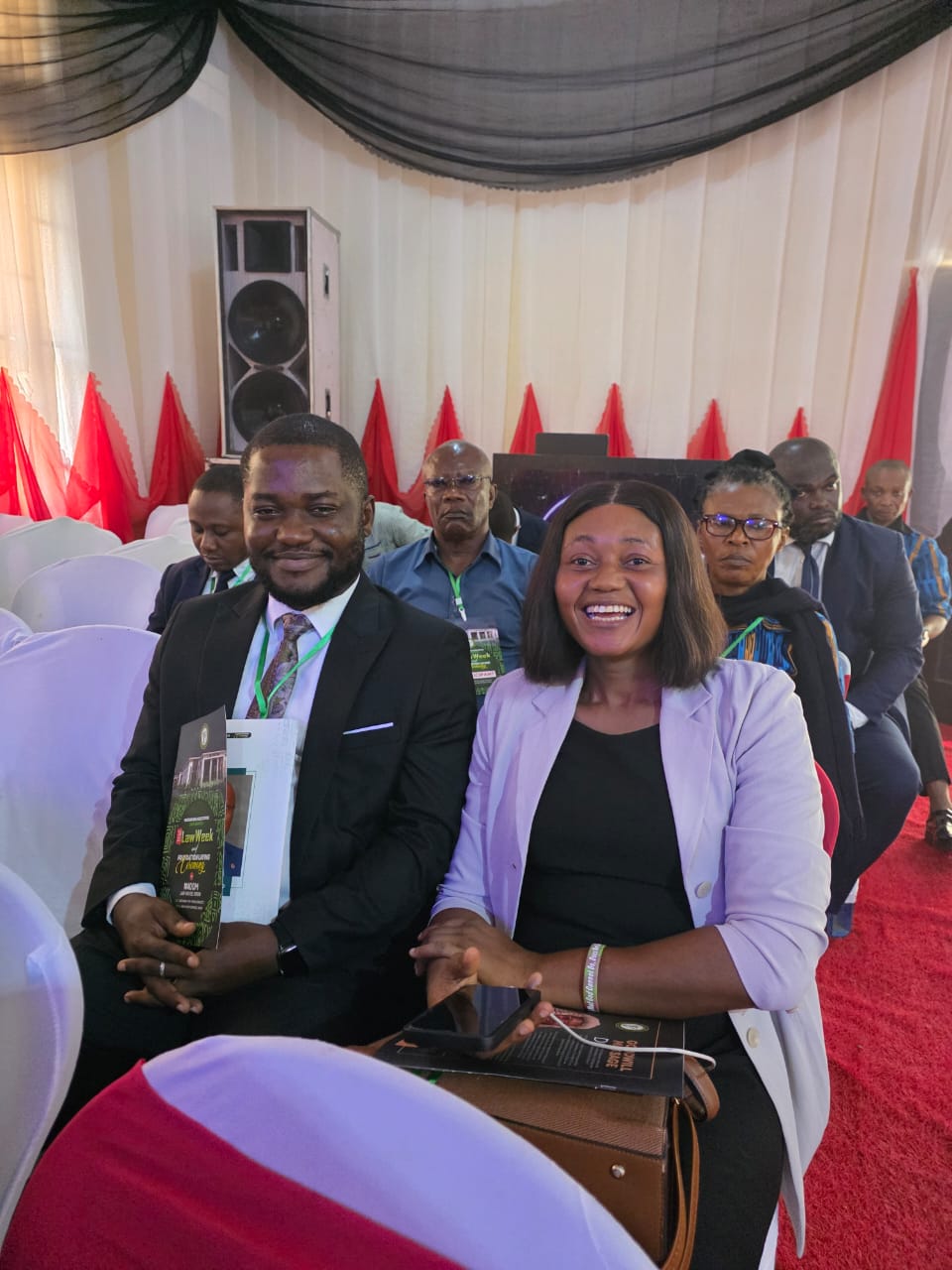
The highlight of the event was the foundation-laying ceremony for the proposed NBA Oron House, led by Hon. Justice Effiong Offiong on behalf of the Chief Judge, Hon. Justice Ekaette F. Obot.
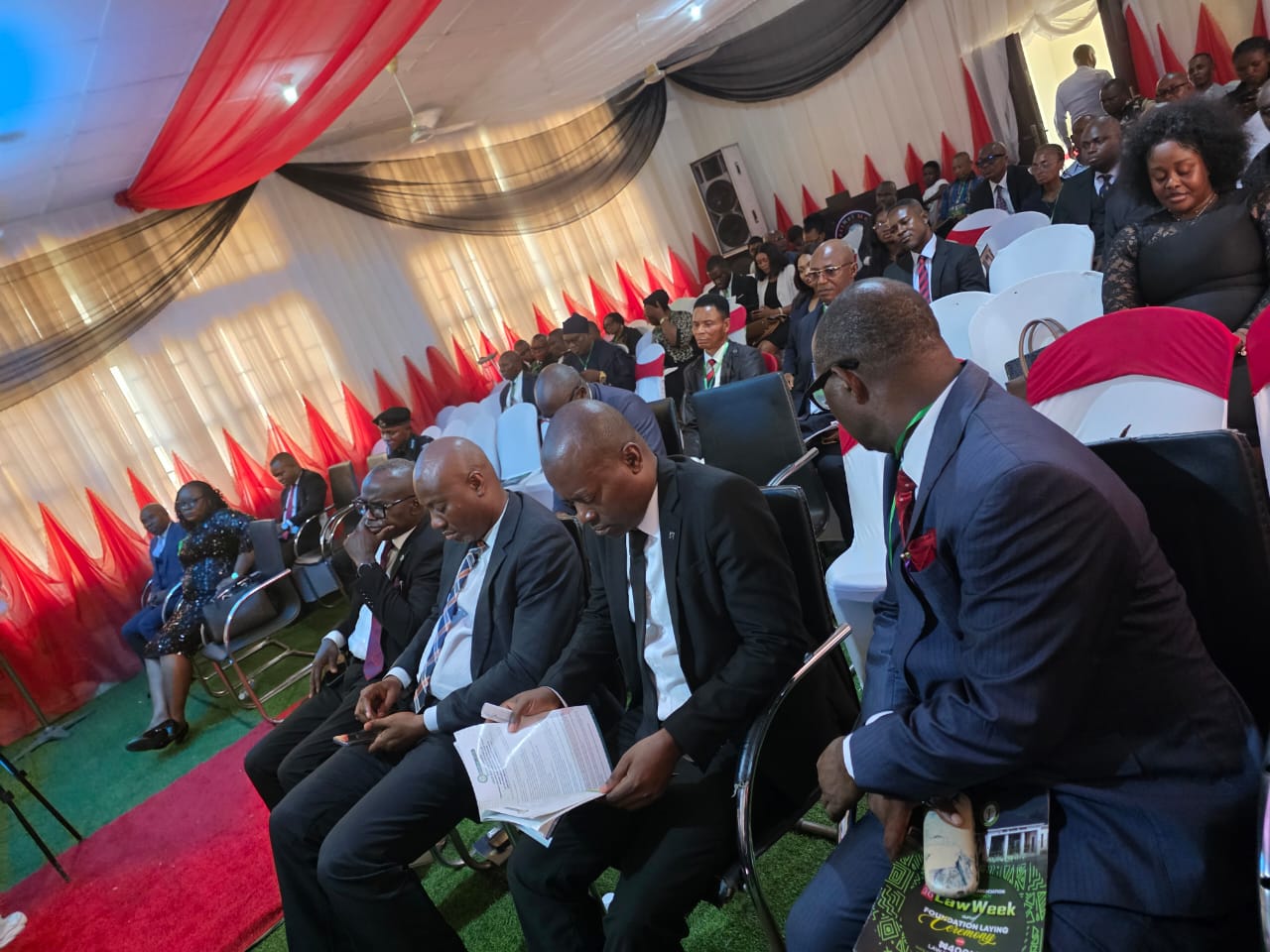
The ceremony was widely regarded as an important milestone in the branch’s drive to establish a permanent institutional facility that will strengthen professional interaction, support the development of lawyers and promote access to justice.
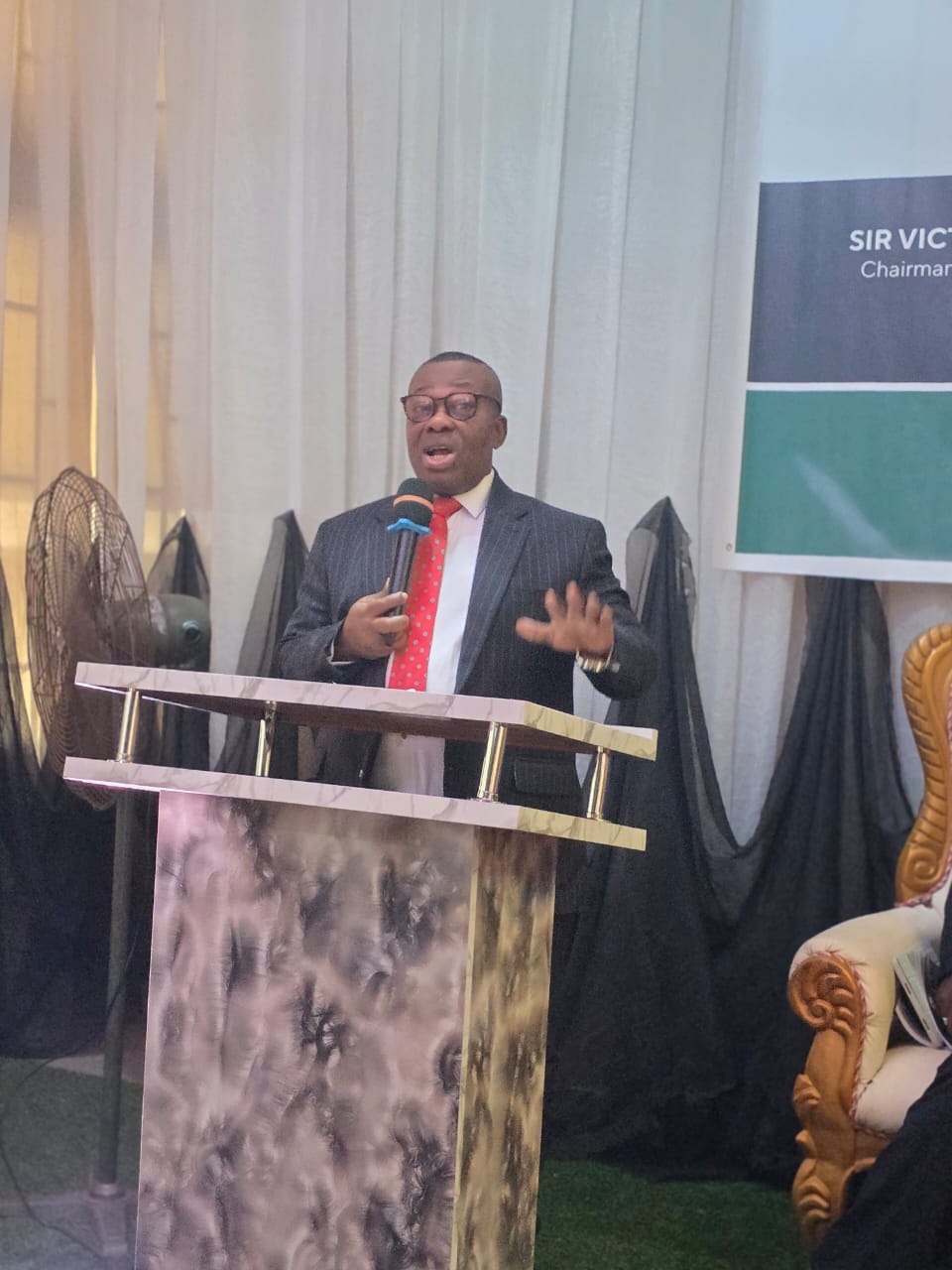
With the project now underway, the call by Ubani underscores the importance of ensuring that NBA Oron House becomes not merely a landmark building, but a centre of professional growth, ethical leadership, institutional accountability and public service.
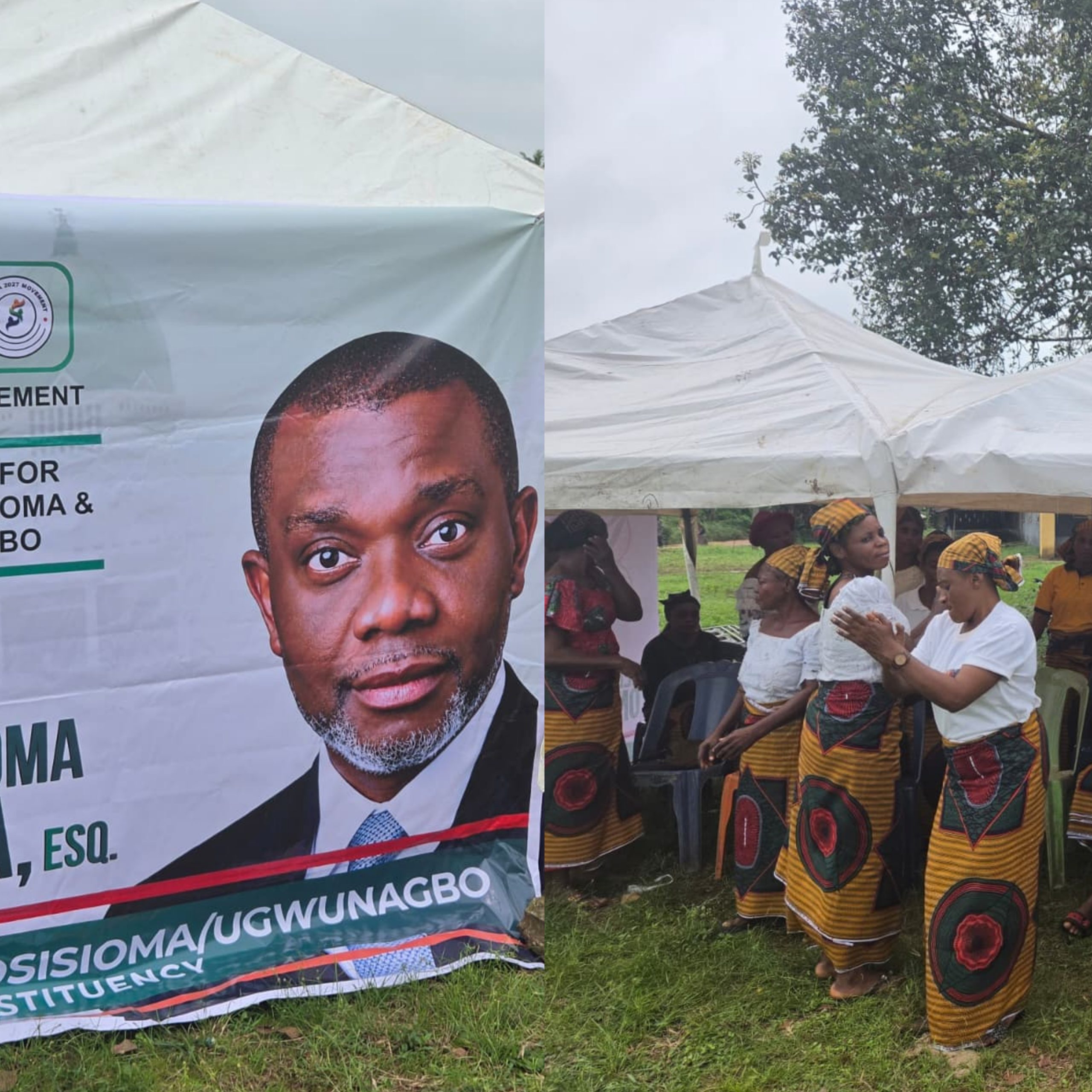
ADC Federal Constituency Candidate Reaffirms Commitment to Dialogue, Unity and Effective Representation
Barr. Kelechi Ozioma Onyeobia, the African Democratic Congress (ADC) candidate for the Obingwa/Osisioma/Ugwunagbo Federal Constituency, has continued to strengthen his grassroots engagement ahead of the 2027 general elections, holding consultations with members of the New Development Alliance (NDA) in Mgboko, Umuanunu Ward 3, Obingwa Local Government Area of Abia State.
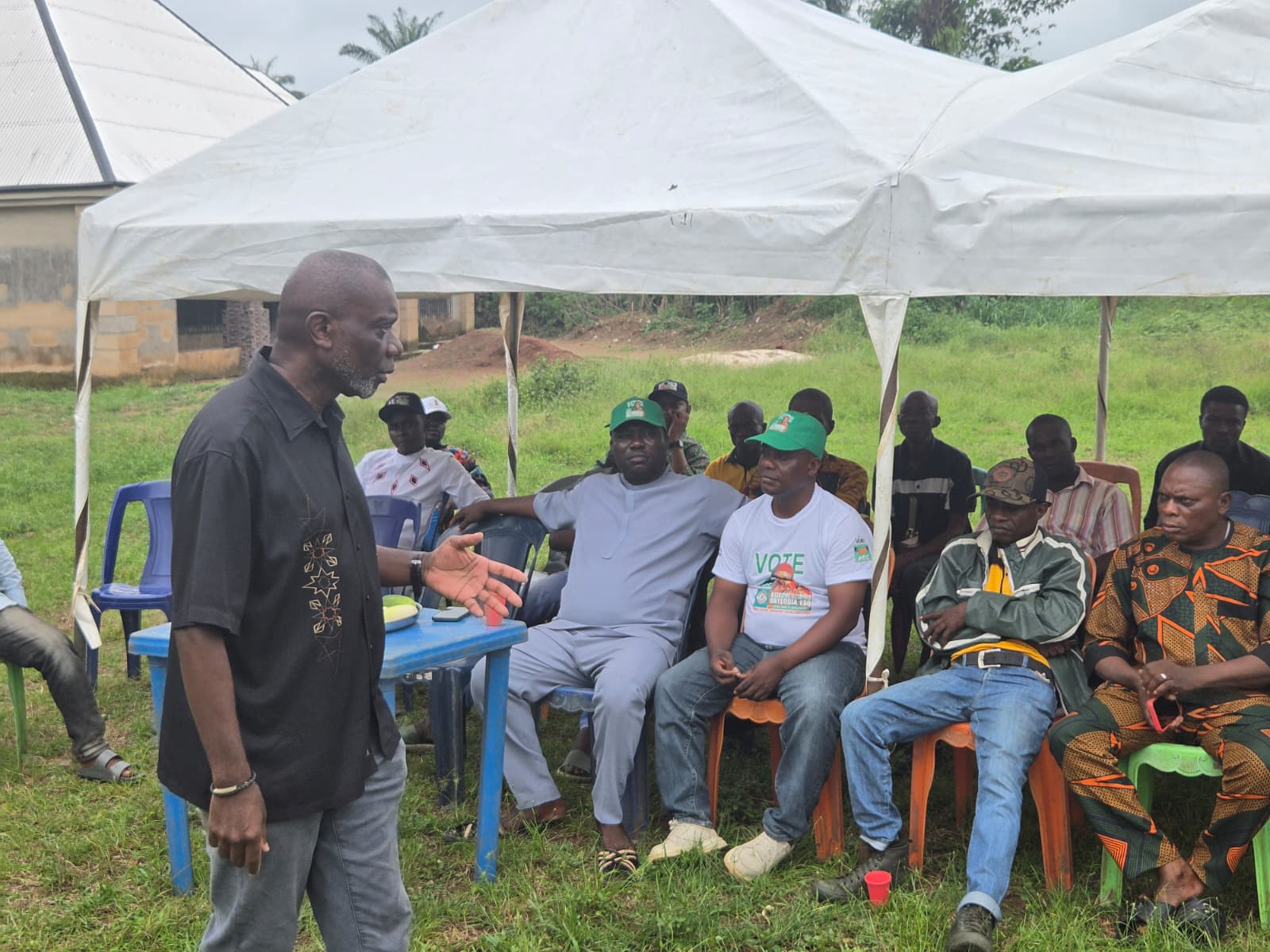
The consultation, which took place on Tuesday, October 13, 2026, provided an opportunity for the ADC candidate and members of the group to exchange ideas, discuss their expectations, and explore a shared vision for the future development of the constituency.
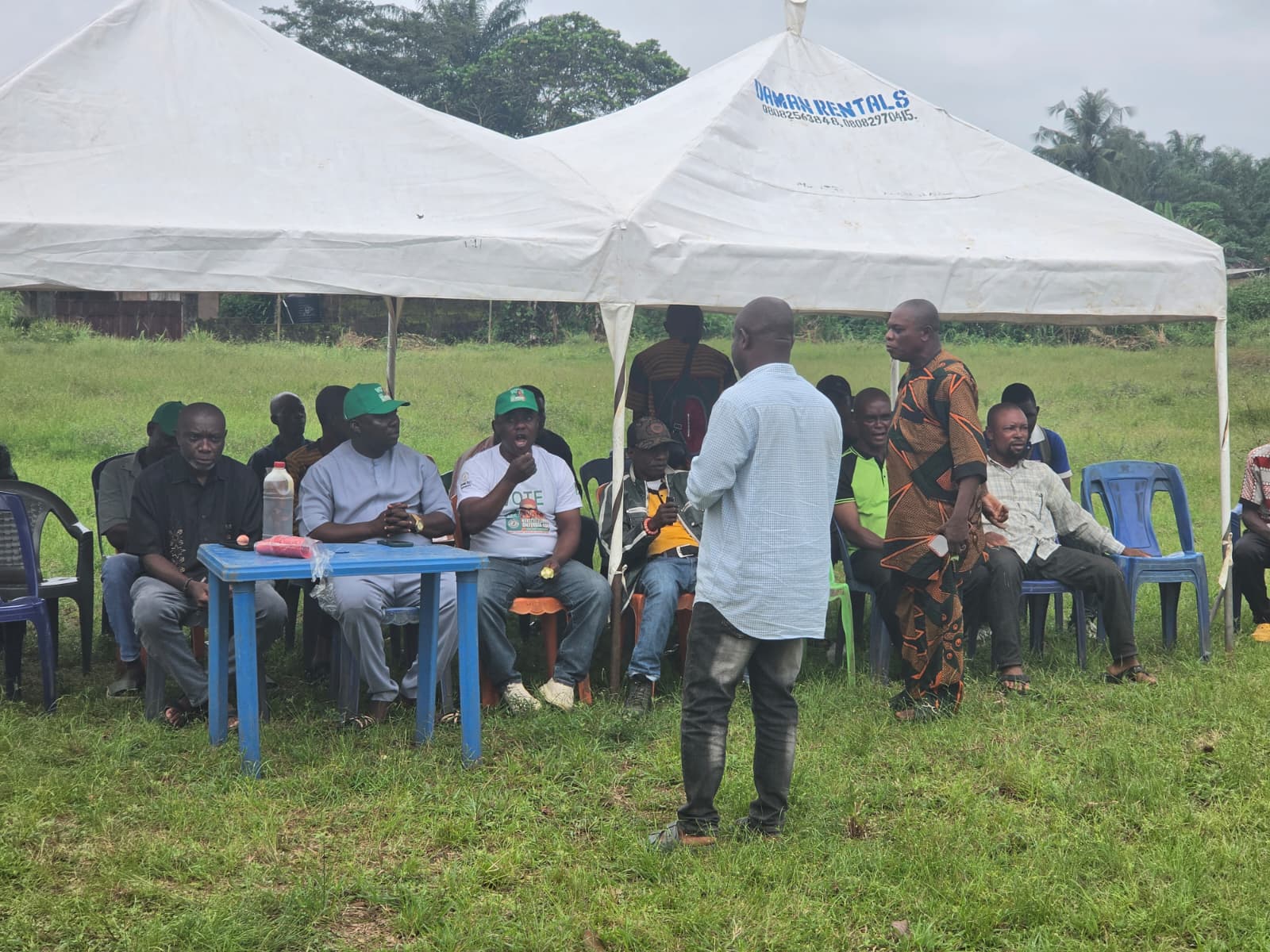
Barr. Onyeobia and his entourage received a warm and enthusiastic welcome from members of the NDA, who expressed their appreciation for the engagement and their interest in his political vision under the Ozioma 2027 project.
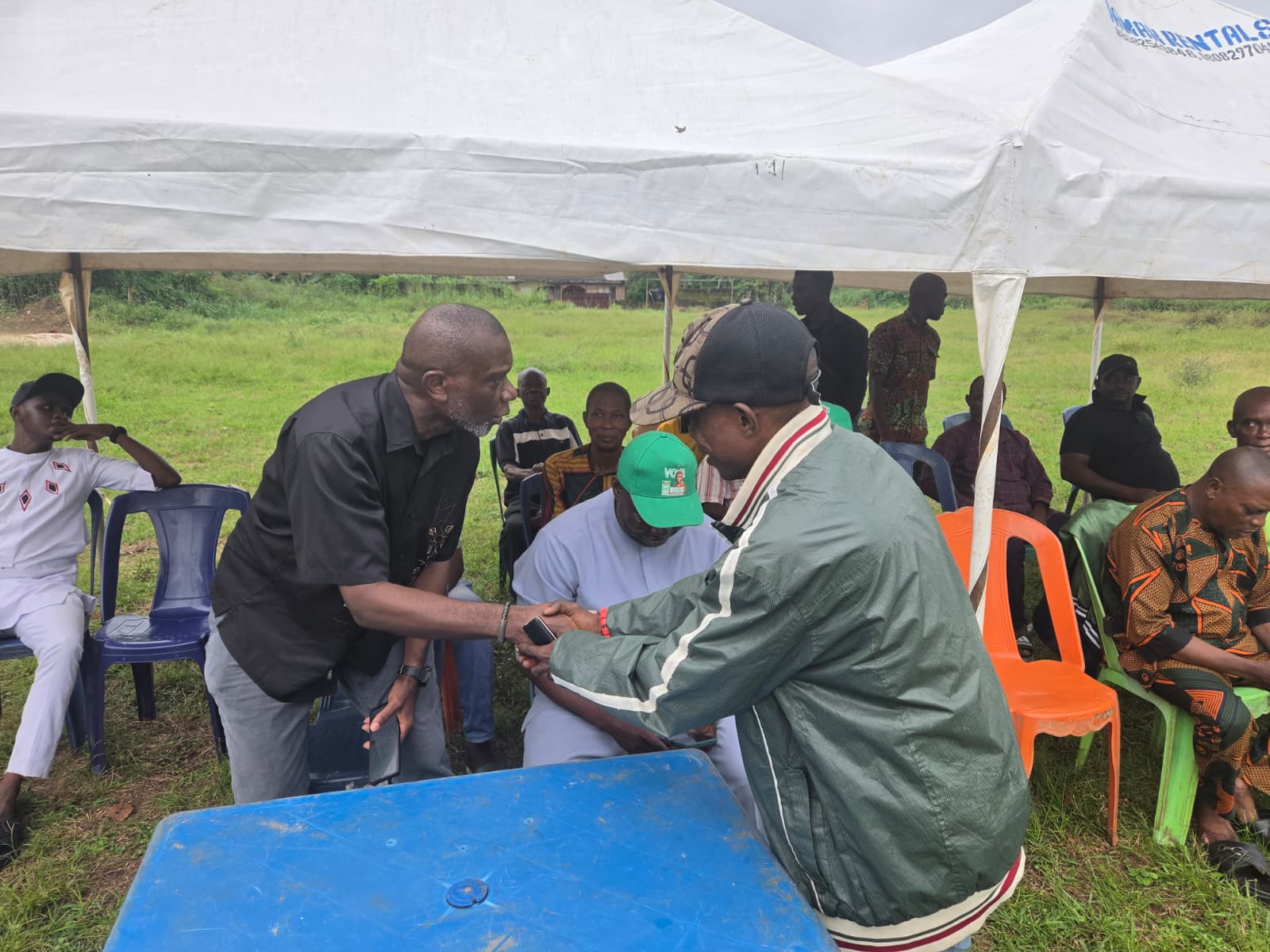
In their separate remarks, the group’s leader, the ADC Ward 3 Chairman, the Women Leader, and the Youth Leader commended Barr. Onyeobia for what they described as his commitment, sincerity, integrity, and clear vision for development and effective representation.
They expressed confidence in his leadership capacity and highlighted their expectations for a future defined by purposeful representation, improved opportunities, and greater attention to the needs and aspirations of the people.
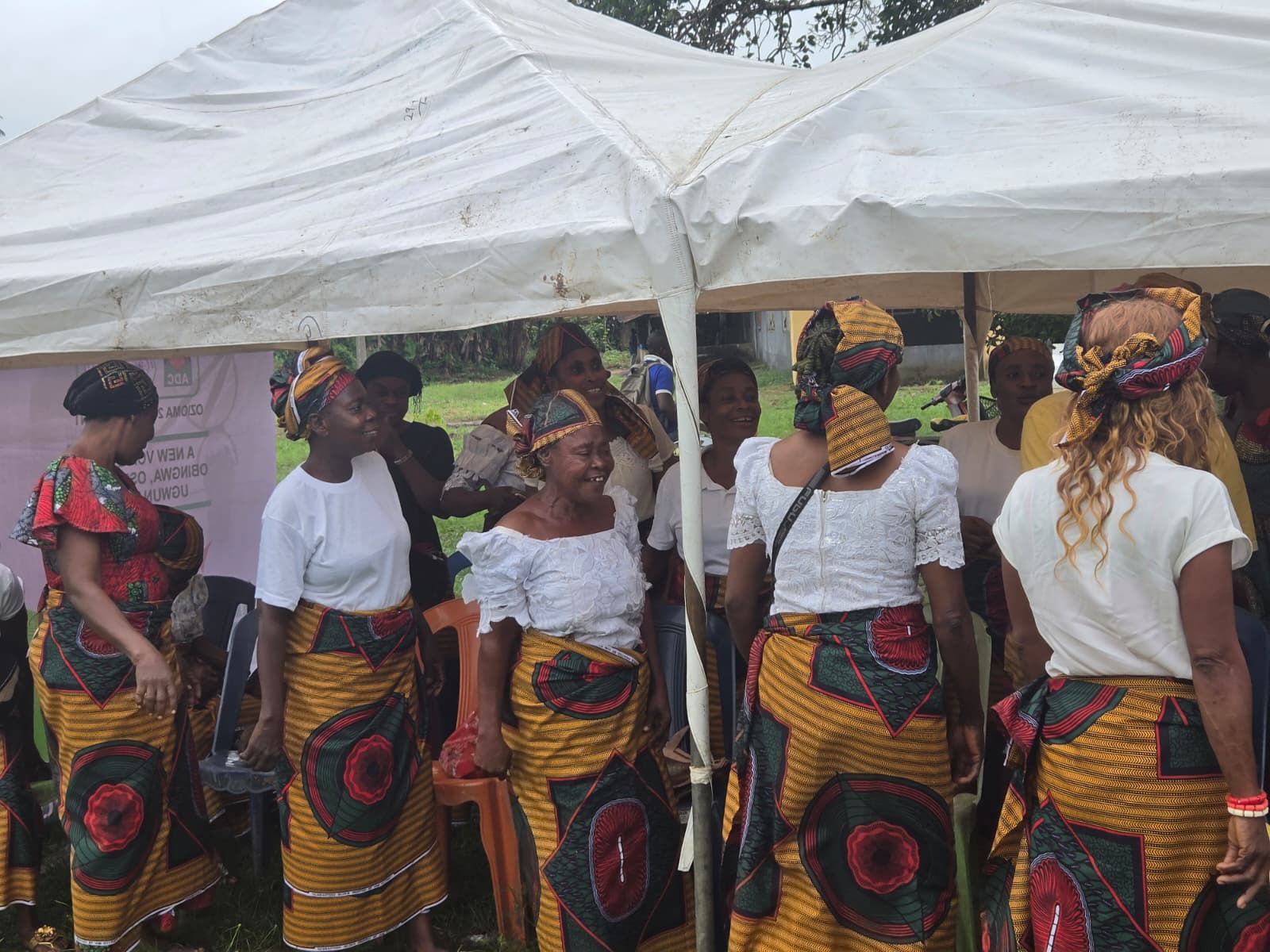
Responding, Barr. Onyeobia thanked the members for their warm reception, patience, and willingness to engage with him and his team. He emphasized the importance of sustained dialogue, mutual understanding, collaboration, and grassroots participation in building a stronger constituency where the voices and interests of the people remain central to leadership decisions.
He reaffirmed the value of engaging directly with community members, noting that meaningful representation requires listening to the people, understanding their concerns, and working collectively towards a common developmental vision.
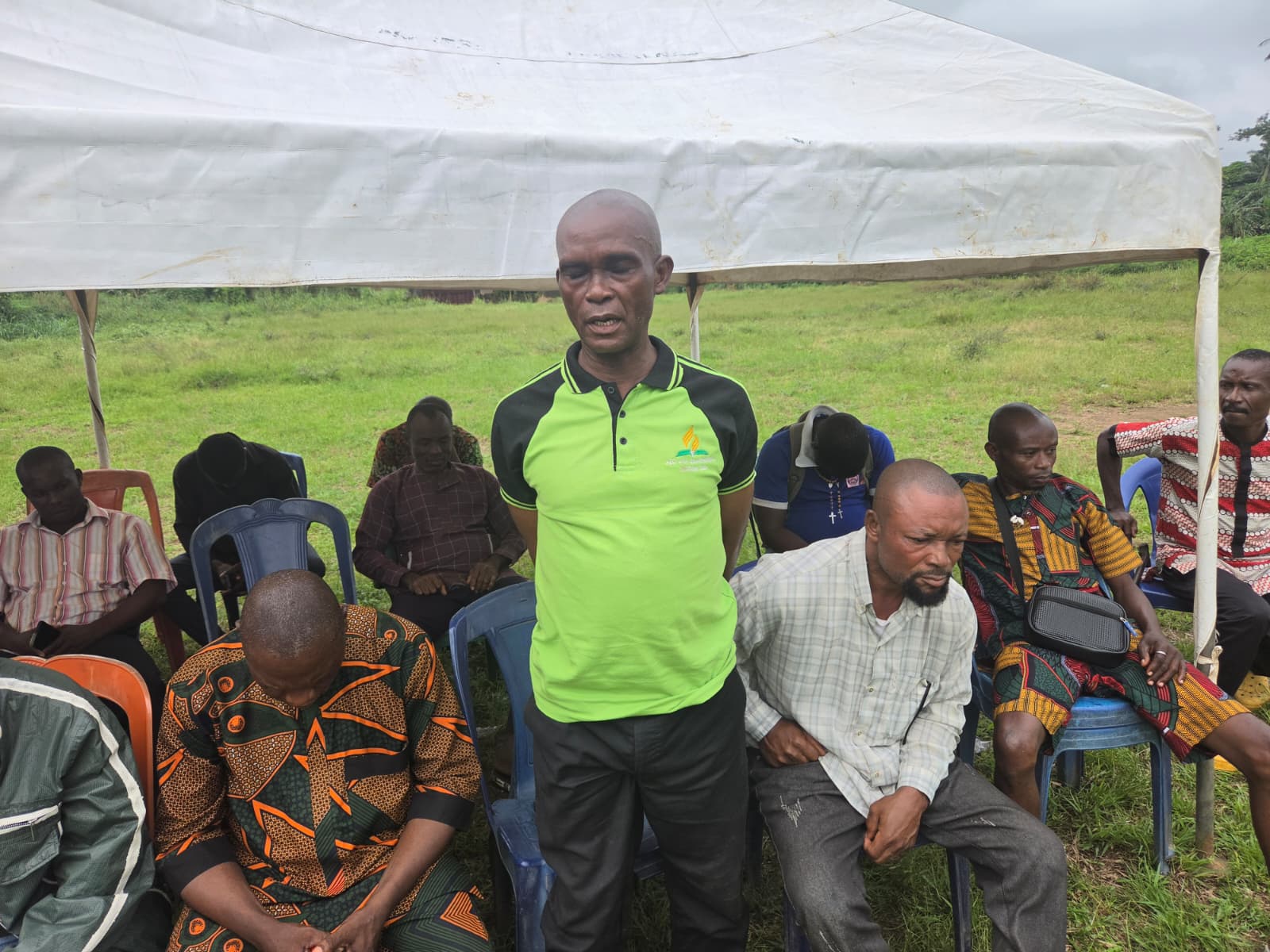
Also speaking, Hon. Chief Uche Okezie urged members of the group to remain committed to the Ozioma 2027 project and take its message of purposeful leadership and effective representation to their communities, churches, families, friends, and other social networks.
Hon. Okezie described Barr. Onyeobia as a man of integrity and sincerity whose commitment to the people’s interests, in his view, makes him worthy of their confidence. He also highlighted his longstanding relationship with the group’s leader, expressing optimism that their continued partnership, unity, and collective efforts would contribute to achieving their shared aspiration for a more progressive and effectively represented federal constituency.
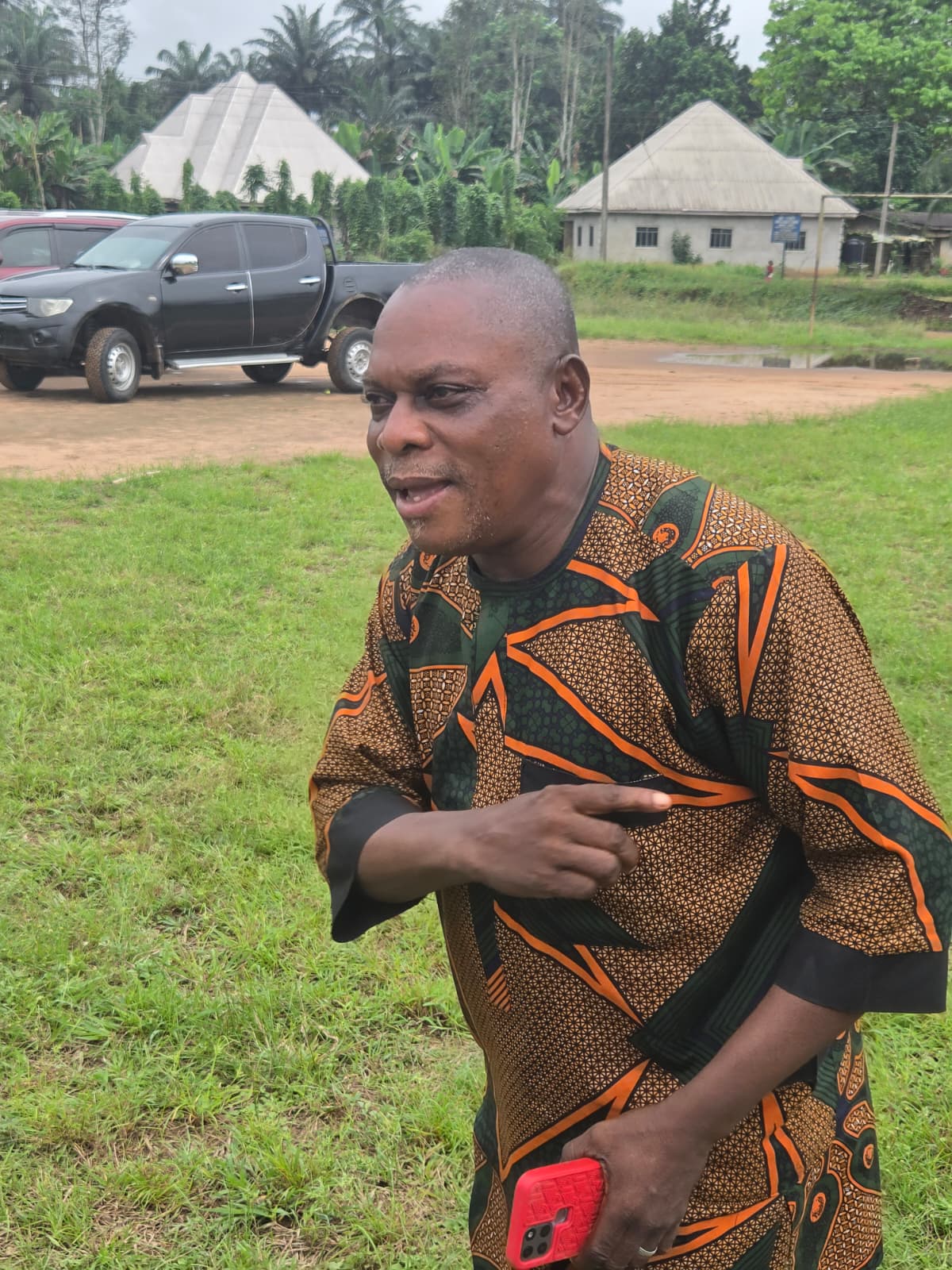
The meeting further underscored the importance of grassroots consultations in strengthening relationships, building trust, and creating opportunities for citizens to participate in conversations about their political future.
As the 2027 elections approach, the Ozioma 2027 project continues to pursue grassroots engagement across the constituency, with an emphasis on unity, dialogue, and a shared commitment to better representation.
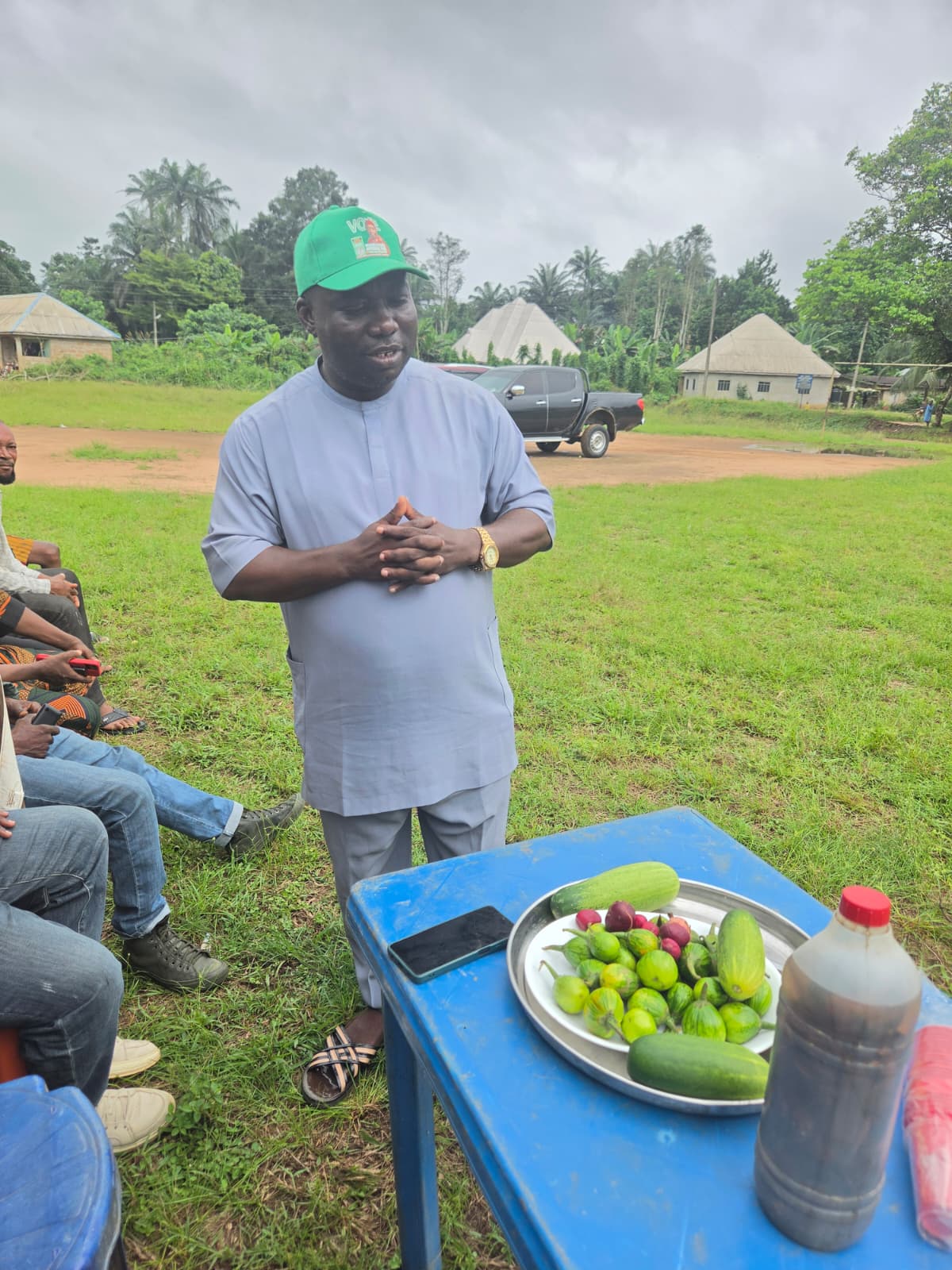
For Barr. Kelechi Ozioma Onyeobia and his supporters, the message remains clear, meaningful leadership begins with listening to the people, building trust, and working together towards a better future for Obingwa/Osisioma/Ugwunagbo Federal Constituency.


OZIOMA RALLIES ADC OSISIOMA LEADERS FOR 2027, TASKS WARD EXECUTIVES ON GRASSROOTS MOBILISATION

UBANI SAN CHARGES NBA ORON ON ACCOUNTABILITY, SECURITY AND PROFESSIONAL EXCELLENCE AS BAR CENTRE PROJECT TAKES OFF

OZIOMA 2027: ONYEOBIA STRENGTHENS GRASSROOTS SUPPORT IN OBINGWA, ENGAGES NDA MEMBERS

Ahead of Convocation, PhD Graduands Defeat Master’s Counterparts in Friendly Football Match

HRH EZE CHARLES UKATTAH DEFENDS GOVERNOR OTTI, DESCRIBES MEDIA EXCHANGE AS MISUNDERSTANDING

WHEN LEADERSHIP IS WORKING, SYMBOLISM SHOULD NEVER BE ALLOWED TO OVERSHADOW SUBSTANCE. – HON STANLEY NWABUISI
-
 METRO3 months ago
Ahead of Convocation, PhD Graduands Defeat Master’s Counterparts in Friendly Football Match
-
 NEWS8 months ago
HRH EZE CHARLES UKATTAH DEFENDS GOVERNOR OTTI, DESCRIBES MEDIA EXCHANGE AS MISUNDERSTANDING
-
 POLITICS9 months ago
WHEN LEADERSHIP IS WORKING, SYMBOLISM SHOULD NEVER BE ALLOWED TO OVERSHADOW SUBSTANCE. – HON STANLEY NWABUISI
-
 NEWS8 months ago
HRH EZE SIR CHARLES ONORCHIE UKATTAH COMMENDS GOVERNOR ALEX OTTI’S PERFORMANCE, BACKS 2027 RE-ELECTION
-

 ENTERTAINMENT9 months ago
RADIO SHOUT-OUT STEALS HEART: RUBYBILLIONS CELEBRATES MARYFIAT NWANOSIKE’S BIRTHDAY IN STYLE
-

 NEWS5 months ago
Gracelyn Oko Celebrates Mothers, Describes Them as Builders of Destinies and Guardians of Godly Values
-
 NEWS8 months ago
ABIA MUST REMAIN NIGERIA’S NEATEST STATE — CATECHIST AMBROSE
-

 NEWS5 months ago
Opotoyom, Ugoeze Emerge Winners of NDC Senate and House of Representatives Primaries in Abia