
NEWS
THE UNIVERSITY THAT MADE ME: MONDAY UBANI, SAN REVISITS THE YEARS THAT SHAPED HIS LIFE

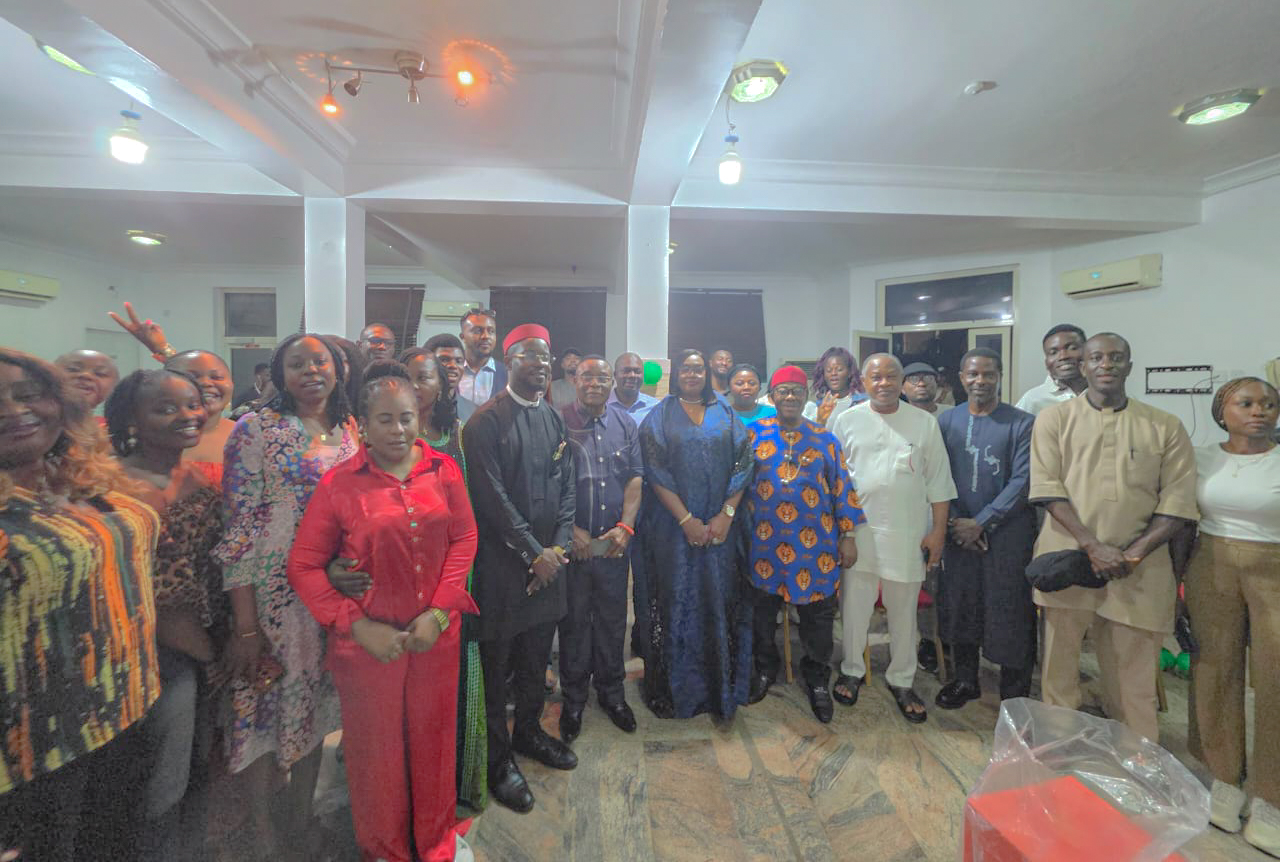
At UNN Alumni Abuja gathering, Senior Advocate recounts his 1983–1989 journey from Political Science student to law graduate, student leader and, ultimately, one of Nigeria’s foremost legal voices
ABUJA — Four decades after he first walked through the gates of the University of Nigeria, Nsukka, Senior Advocate of Nigeria, Dr. Monday Ubani, SAN, returned to the memories of the young man he once was, and to the institution he says did far more than award him a degree.
It shaped him.
It challenged him.
It gave him friendships, exposed him to ideas, tested his leadership abilities and ultimately helped lay the intellectual foundation for the lawyer, public affairs commentator and Senior Advocate he would later become.
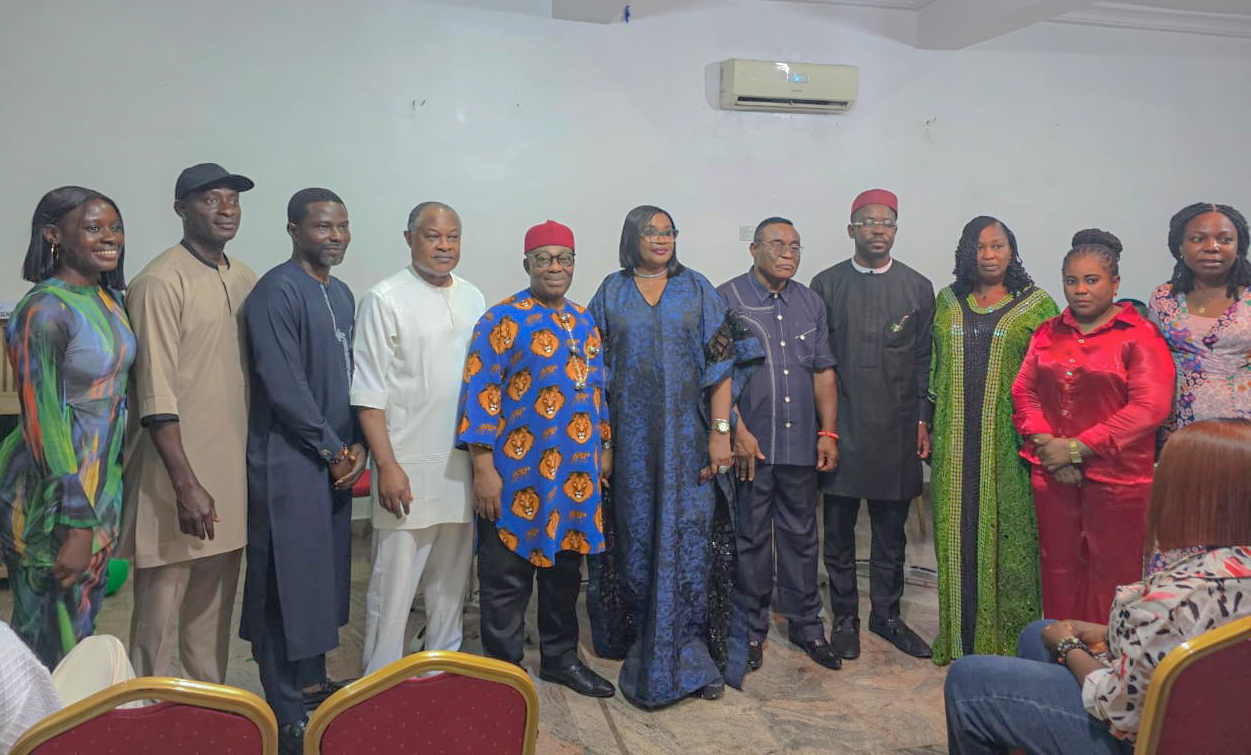
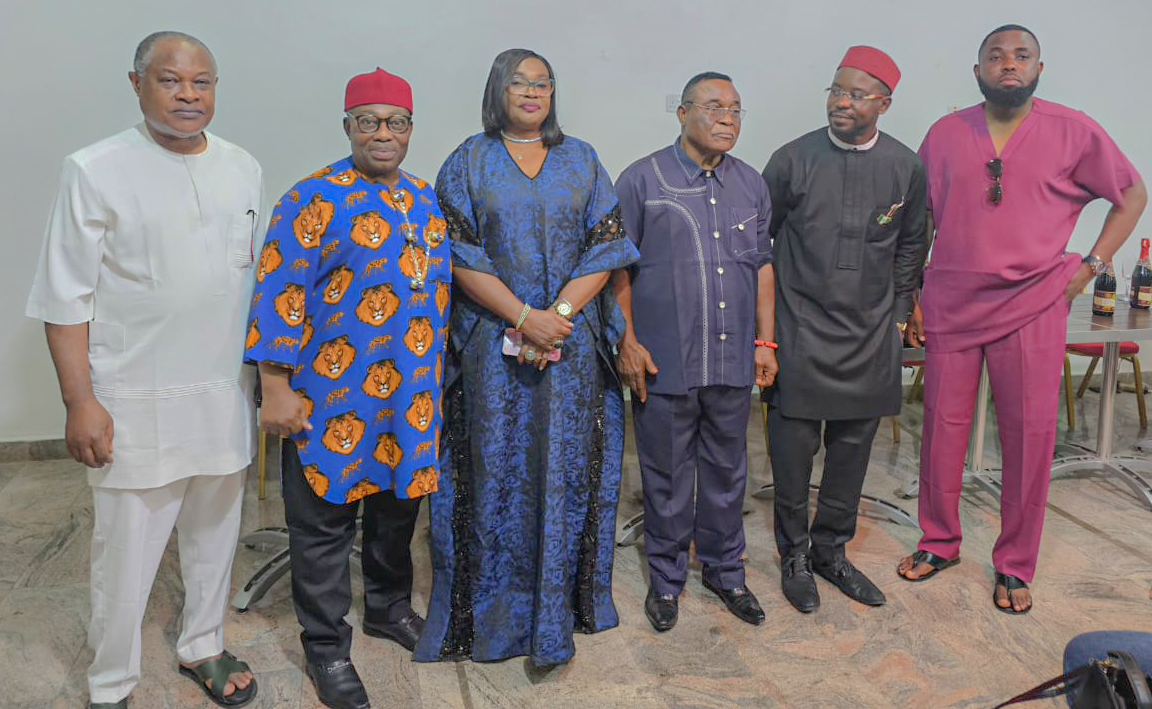
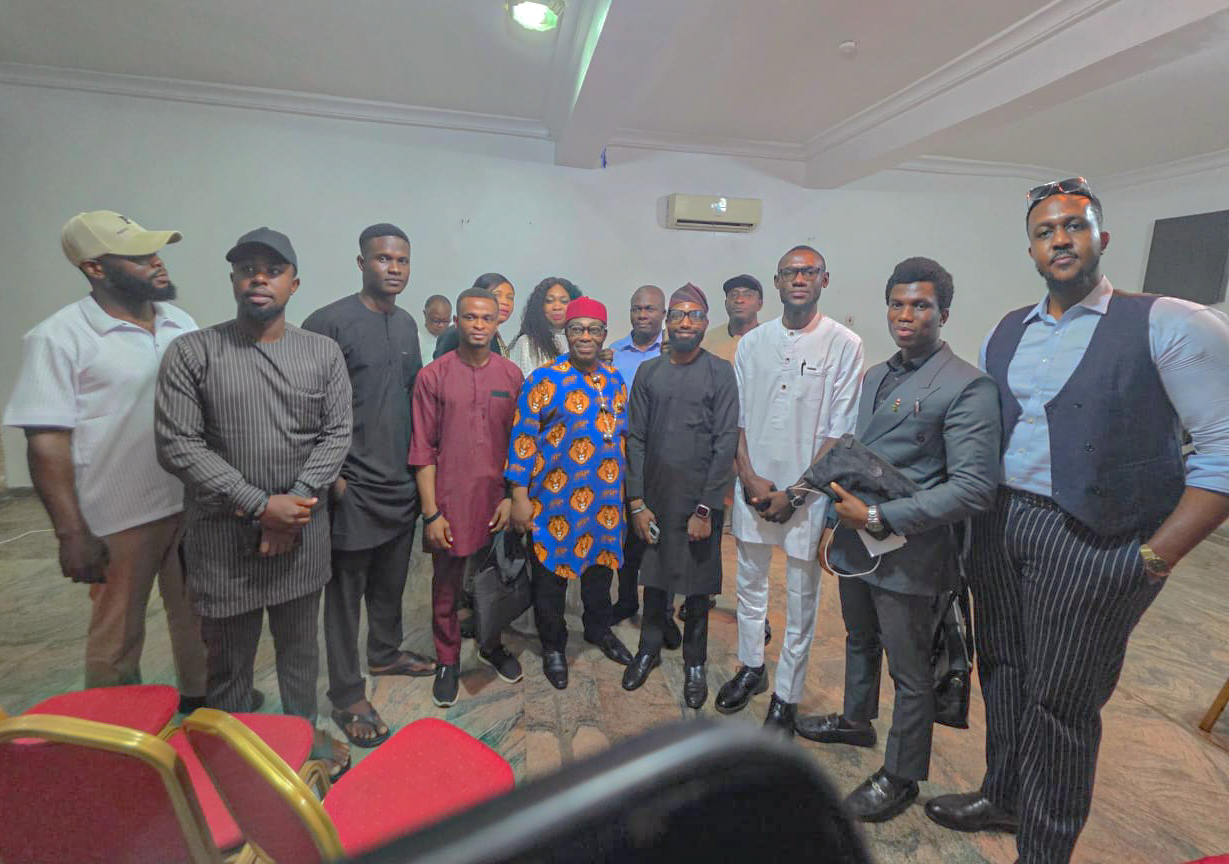
Speaking on Saturday, September 5, 2026, at a gathering of the University of Nigeria Nsukka Alumni Association, Abuja Chapter, Ubani delivered a deeply personal and intellectually charged reminiscence, “The University That Made Me: Reminiscences of My Sojourn at the University of Nigeria, 1983–1989.”
What followed was more than an alumni speech.
It was a journey through memory, education, leadership, friendship, Nigeria’s national aspirations and the enduring responsibility of those who have passed through the nation’s institutions of higher learning.
“There are places we visit, places we live in, and places that live in us.”
With those words, Ubani opened the door to a story that began in Nsukka in 1983 and continued at the Enugu Campus until 1989.
For him, the University of Nigeria was never simply a place where he studied.
It became part of his intellectual DNA.
THE YOUNG MAN WHO ARRIVED IN NSUKKA
In 1983, Ubani arrived at the Nsukka Campus as a young Political Science student.
He was ambitious, curious and eager to understand the society around him.
But the university, he recalled, offered him something far greater than the academic qualifications he initially sought.
It taught him how to think.
Political Science opened his eyes to the architecture of power, government, institutions, ideology and the complicated relationship between those who govern and those who are governed.
The questions raised in the classroom gradually became questions about life itself.
Why do some societies succeed while others collapse?
Why do institutions fail?
What makes government legitimate?
Why do some countries develop while others remain trapped in poverty and instability?
Looking back today, Ubani said he now understands that those seemingly academic questions were preparing him for a professional and public life in which questions of law, governance, justice and accountability would become central.
He recalled the philosophical lesson associated with Socrates:
“The unexamined life is not worth living.”
For the young Ubani, university was becoming an examination not only of knowledge, but of society, leadership and the human condition.
WHEN UNIVERSITY MEANT MORE THAN A CERTIFICATE
The University of Nigeria of the 1980s, Ubani recalled, was an institution where intellectual engagement was not optional.
Students debated.
They argued.
They disagreed.
They challenged one another.
Politics, ideology, football, lecturers and the future of Nigeria all became subjects of passionate discussion.
But beneath the arguments was something more profound—a shared belief that knowledge mattered.
The university, he said, created an environment where young people were encouraged to believe that ideas could change society.
His two years at Nsukka therefore became what he described as “years of intellectual awakening.”
It was an education that could not be measured entirely by examinations or captured on a transcript.
FROM POLITICAL SCIENCE TO LAW: THE TURNING POINT
Then came 1985.
Ubani moved from Nsukka to the Enugu Campus, where he commenced the study of Law.
With the benefit of hindsight, he now sees that transition as one of the most significant intellectual developments of his life.
Political Science taught him to understand power. Law taught him how power ought to be restrained.
Political Science introduced him to government and institutions.
Law introduced him to rights, duties, justice and accountability.
And while Political Science asked, “Who governs?”, Law posed the more difficult question:
“By what authority do you govern, and within what limits?”
That distinction would become significant in the life of a man who would eventually build a career around law, public affairs and questions of justice.
At Enugu, he encountered the demanding discipline of legal education.
Words mattered.
Definitions mattered.
Evidence mattered.
Logic mattered.
Precedent mattered.
And, above all, he learned that apparently simple questions could carry profound consequences.
Those lessons, he acknowledged, would remain with him throughout his professional career.
“UBANI CJ”: THE STUDENT LEADER
But the Enugu Campus was not simply a place of lectures and legal textbooks.
It was also where Ubani’s leadership instincts came to the fore.
During his first year, he entered the House of Representatives as a representative of a defined constituency.
His involvement in student governance later culminated in his emergence as Chief Judge of the University in 1988.
The title followed him long after graduation.
Some of his classmates, he revealed, still call him “Ubani CJ” to this day.
The experience gave him an early taste of representation, leadership, institutional responsibility and the demands of serving a constituency lessons that would resonate throughout his later public and professional life.
THE PART THEY DON’T TEACH IN THE CLASSROOM
For Ubani, however, the true university experience existed beyond lecture halls and examination rooms.
It was found in hostels.
In friendships.
In long walks.
In shared meals.
In borrowed books.
In the struggle to survive when money was scarce.
In waiting anxiously for examination results.
And, occasionally, in matters of the heart.
With characteristic humour, Ubani recalled that he could not definitively say whether he fell in love with women during his university years.
Then came his lawyer’s defence:
“I have a right to remain silent, as anything said can be used as evidence against me!”
The laughter that such a remark inevitably provoked also captured something important about his reminiscence: the university was a place of seriousness, but it was also a place where young people lived, laughed, struggled and grew together.
Students from different backgrounds and with different personalities were forced to learn how to coexist.
That, Ubani suggested, was itself an education.
The university was a laboratory of life.
A GENERATION THAT BELIEVED IN NIGERIA
Perhaps the most profound part of Ubani’s reflection was his assessment of the Nigeria his generation dreamed of building.
They believed education could transform the country.
They believed the educated class had a responsibility to society.
They believed Nigeria could become a great nation.
Their optimism, he admitted, may sometimes have been youthful and naïve.
But it was genuine.
The university therefore prepared them for more than employment.
It prepared them for nation-building.
From that generation emerged academics, doctors, engineers, lawyers, entrepreneurs, politicians and professionals across different sectors.
But irrespective of profession, Ubani said, one principle remained:
Education carries an obligation beyond the individual.
FROM THE CLASSROOM TO THE COURTROOM
Today, the young student who entered Nsukka in 1983 is a Senior Advocate of Nigeria.
He has participated in public affairs, constitutional debates, professional organisations and national conversations on issues affecting the country’s development.
Yet, when he traces the journey backward, he sees Nsukka and Enugu as critical points on the map.
The young Political Science student could not have known what lay ahead.
The young law student could not have imagined the courtroom battles, professional responsibilities and public engagements that would eventually become part of his life.
But that, Ubani said, is the mystery and power of education.
“Education does not tell you exactly where you are going. It equips you for destinations you cannot yet see.”
THE UNIVERSITY HAS CHANGED. HAS EDUCATION?
Ubani acknowledged that the University of Nigeria has changed dramatically since his student years.
Nigeria has changed.
The world has changed.
Technology has transformed education.
Today’s students can access information almost instantaneously, something that would have seemed extraordinary to students of the 1980s.
But Ubani warned that access to information should not be confused with wisdom.
A computer can provide information.
A search engine can produce answers.
Artificial intelligence can process enormous amounts of data.
But none of these, he argued, can replace judgment and character.
That is why the fundamental purpose of the university remains the cultivation of the human mind.
The university, he stressed, must continue to produce people capable not merely of graduating, but of thinking, questioning, leading and serving.
HIS MESSAGE TO TODAY’S STUDENTS
Ubani’s message to today’s students was direct.
Do not measure your university experience only by your grades.
Grades matter.
Degrees matter.
Professional success matters.
But character matters more.
He urged students to build meaningful friendships, read beyond their syllabus, engage with people whose views differ from theirs, participate actively in university life and develop the capacity to think critically.
Most importantly, he urged them not to leave university with only a certificate.
They should leave with a philosophy of life.
Because a certificate may hang on a wall, but character travels with its owner wherever he goes.
THE ALUMNI ASSOCIATION: A SECOND UNIVERSITY
For Ubani, the significance of the Abuja alumni gathering extends beyond nostalgia.
He described an alumni association as a kind of “second university.”
The first university gives knowledge.
The second gives fellowship, memory and responsibility.
And that responsibility, he said, should compel alumni to ask a difficult question:
What will the next generation inherit from us?
Will they inherit only stories about how great the University of Nigeria was?
Or will they inherit scholarships?
Mentorship?
Infrastructure?
Research support?
Professional networks?
Opportunities?
For Ubani, remembering the past must lead to action in the present.
“Reminiscence should not become nostalgia without responsibility,” he cautioned.
If alumni genuinely appreciate where they came from, he argued, their memories should inspire them to give something back.
THE LESSON THAT REMAINS
Looking back at his journey from Nsukka in 1983 to Enugu and eventually graduation in 1989, Ubani said he now sees the experience as a process of intellectual formation.
Nsukka gave him the foundation.
Enugu expanded it.
Political Science taught him to interrogate power and society.
Law taught him to interrogate authority, rights and justice.
Life taught him that the two disciplines are inseparable.
“Politics needs law. Law operates within politics. And both must ultimately serve society.”
For a country grappling with questions of governance, justice, institutional accountability and national development, the lesson remains remarkably contemporary.
“THE UNIVERSITY OF NIGERIA WAS PART OF THE MAKING OF ME”
As his reminiscence drew to a close, Ubani made perhaps his most powerful statement of the day.
He did not want to say simply that he attended the University of Nigeria.
That, he suggested, would be an inadequate description of what the institution meant to him.
Instead, he declared:
“The University of Nigeria was part of the making of me.”
He arrived at Nsukka in 1983 as a young student.
He moved to Enugu in 1985 as a law student.
He left in 1989 with a degree.
But he also left with friendships, memories, intellectual curiosity, a deeper understanding of Nigeria and a conviction that knowledge carries responsibility.
And, perhaps most importantly, he left with an enduring sense of belonging.
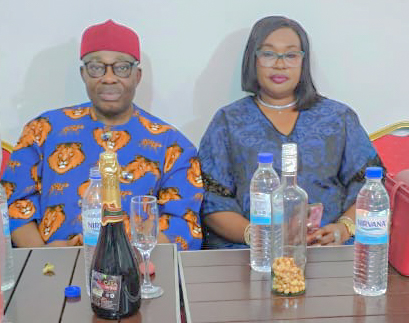
WHEN TITLES DISAPPEAR, MEMORIES REMAIN
There was a particularly poignant observation in Ubani’s closing reflections.
When alumni gather, he said, the distinctions accumulated over decades suddenly become less important.
Age becomes irrelevant.
Titles become irrelevant.
Professions become irrelevant.
For a moment, everyone becomes a student again.
The Senior Advocate becomes the young law student.
The executive becomes the undergraduate.
The accomplished professional becomes the young man or woman who once dreamed of what life might become.
And in that moment, they remember the institution that gave them their beginning.
That, Ubani said, is the true power of reminiscence.
It is not merely about looking backward.
It is about looking backward to understand how far we have travelled and looking forward to decide where we must go next.
A LEGACY THAT DEMANDS MORE THAN REMEMBRANCE
Ubani’s message to his fellow alumni ultimately transcended nostalgia.
His story was not simply about the University of Nigeria of 1983–1989.
It was about what education does to a person and what that person owes society in return.
The university gave him knowledge.
It gave him leadership experience.
It gave him friendships.
It gave him a platform from which to discover himself.
But the greater test of that education, his reflections suggested, lies not in the titles attached to his name today, but in what he and his generation choose to do with the opportunities education gave them.
As the gathering ended, Ubani offered his final tribute to the institution that helped shape his journey:
“Thank you for the years. Thank you for the lessons. Thank you for the friendships. Thank you for the memories. And, most importantly, thank you for helping to make us who we became.”
Then came his final salute:
Long live the University of Nigeria.
Long live the spirit of Lionism.
And long live the enduring fellowship of the University of Nigeria Alumni Association, especially the Abuja Chapter.
For Dr. Monday Ubani, SAN, the journey that began in Nsukka more than four decades ago may have ended on a university calendar.
But the university itself never really left him.
And perhaps that is the highest tribute any institution of learning can receive, not merely that its students passed through its gates, but that its lessons passed through them and remained.
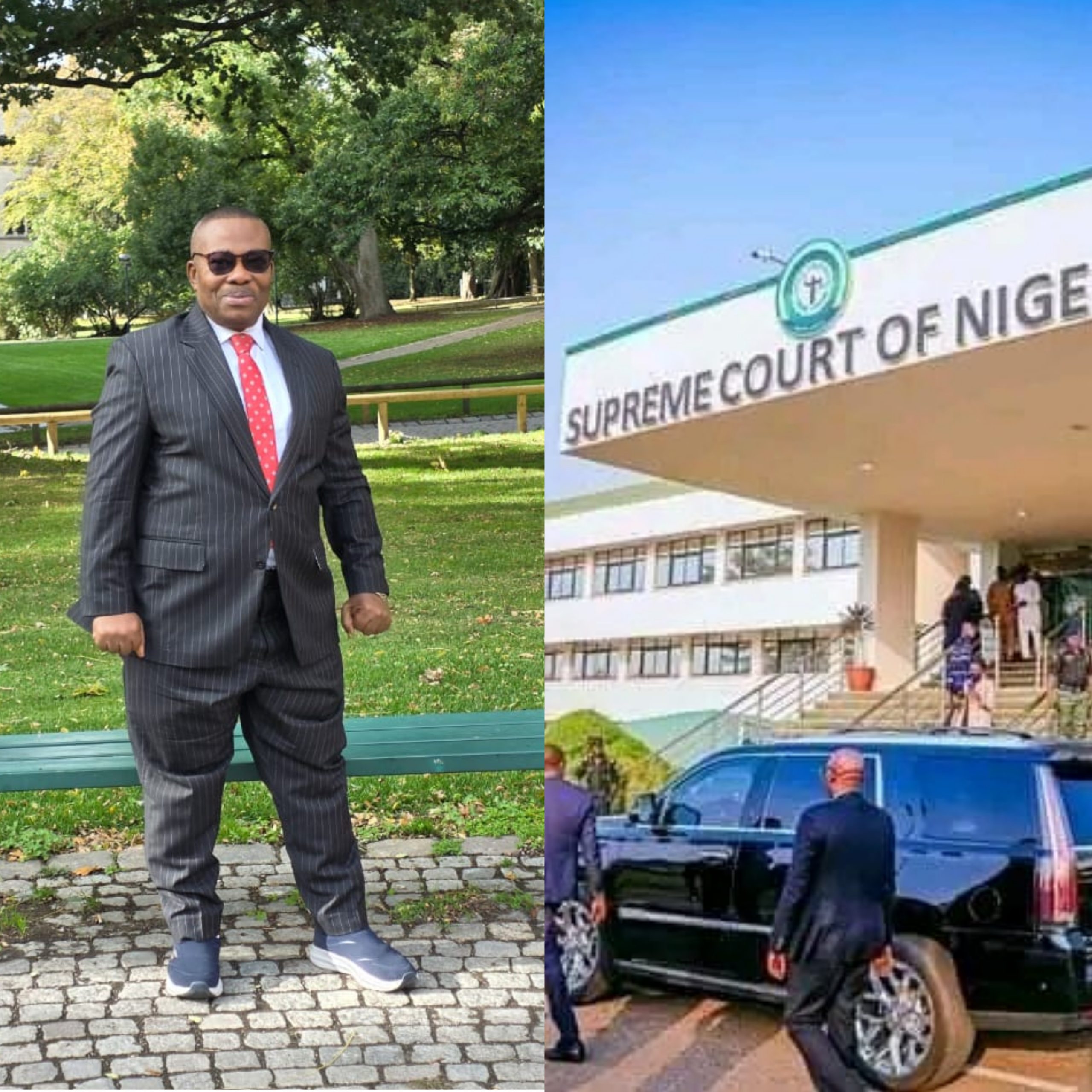
Legal practitioner calls for accountability, improved planning and dignified treatment of senior advocates following reported exclusion from Legal Year ceremony
A Senior Advocate of Nigeria (SAN), Dr. M.O. Ubani, has criticised the reported exclusion of some senior lawyers from the recent opening of the Legal Year and conferment ceremony for the rank of Senior Advocate of Nigeria at the Supreme Court, describing the incident as unfortunate and calling for improved organisation of future judicial ceremonies.
Ubani, a legal practitioner and public affairs commentator, expressed concern over videos circulating online showing some distinguished senior lawyers, fully robed and prepared to participate in the ceremony, reportedly stranded outside the venue and unable to gain access.
He said he watched the scenes while in Europe with profound embarrassment and sadness, noting that those affected were not ordinary spectators but respected members of the legal profession who had devoted decades to the administration of justice and the development of the Bar.
According to him, the incident raises serious questions about the planning, coordination and admission procedures adopted for an event of such national and professional significance.
He maintained that a ceremony organised to celebrate the achievements and dignity of the legal profession should not become a source of embarrassment to its members.
The opening of the Legal Year and the conferment of the SAN rank are significant institutional occasions that celebrate professional excellence, the administration of justice and the enduring relationship between the Bench and the Bar.
While politicians, public officials, family members and friends of newly elevated Senior Advocates are welcome to participate in the celebration, Ubani stressed that accommodating invited guests requires adequate preparation, effective coordination and a reliable admission process.
He argued that where seating capacity is limited, organisers must anticipate attendance, properly coordinate invitations and accreditation, communicate admission procedures clearly and provide sufficient guidance for guests.
According to him, inadequate planning or poor coordination, if established as contributing factors, should not be allowed to undermine the dignity of an occasion designed to celebrate the legal profession.
“Good organisation is not an optional extra at a national judicial event; it is an essential part of the dignity of the profession,” he stated.
Ubani further emphasised that the rank of Senior Advocate of Nigeria represents one of the country’s highest professional distinctions, adding that many senior recipients of the rank have spent decades appearing before the courts, mentoring younger practitioners, serving professional associations and upholding the rule of law.
He clarified that senior lawyers should not expect preferential treatment merely because of their titles. However, they deserve the consideration and respect due to every invited participant, particularly at an occasion of such professional importance.
He noted that the presence of older silks at the conferment ceremony represents more than attendance, as it symbolises professional solidarity, continuity and the transmission of the traditions of the Bar from one generation to another.
While newly conferred Senior Advocates deserve a dignified welcome, he said, their senior colleagues should equally have the opportunity to share in the celebration.
Ubani warned that the legal profession must not celebrate the elevation of some of its members while inadvertently humiliating others through avoidable administrative shortcomings.
He also expressed concern over reports that several senior advocates, including a state Attorney-General, were allegedly asked by Supreme Court officials to leave the hall.
“Why? How?” he queried, calling for clarification of the circumstances surrounding the reported incident.
The legal practitioner called on the Office of the Chief Justice of Nigeria (CJN) and the Body of Senior Advocates of Nigeria (BOSAN) to clarify what transpired and explain the circumstances that reportedly led to the exclusion of some senior lawyers.
He stressed that his position was not intended to condemn any individual or institution without first establishing the facts. Rather, he described his intervention as a call for accountability, reflection and institutional improvement.
Among the questions he raised were whether organisers adequately assessed expected attendance, whether seating arrangements and accreditation procedures were properly coordinated, and whether sufficient measures were put in place to manage the movement of invited guests.
He maintained that these questions deserved answers, not for the purpose of unnecessary blame, but to establish what went wrong and prevent a recurrence.
Ubani added that if inadequate planning or poor coordination contributed to the incident, the appropriate response would be to acknowledge the shortcomings and demonstrate a clear commitment to correcting them.
He cautioned against allowing silence to become the final response to an occurrence that had reportedly caused visible embarrassment within the legal profession.
According to him, a timely explanation, accompanied by practical corrective measures, would reassure members of the Bench and Bar that the concerns raised had been taken seriously.
Ubani identified improved event management as a major lesson from the reported incident, urging organisers of future conferment ceremonies and other significant judicial events to prioritise planning and coordination.
He recommended realistic assessments of expected attendance, seating capacity and security requirements well ahead of scheduled events.
He also called for proper coordination of invitations and accreditation, clear communication of admission protocols, and the deployment of adequate personnel to manage entry and resolve difficulties promptly.
In addition, he stressed the importance of contingency arrangements to address unexpected attendance and other foreseeable challenges.
Where venue limitations make restrictions on entry unavoidable, he argued, such measures should be implemented in an orderly, transparent and respectful manner.
He observed that the success of a judicial ceremony should not be measured solely by the calibre of personalities in attendance or the grandeur of the proceedings, but also by the quality of its organisation and the dignity accorded to participants.
Ubani further noted that the Supreme Court, as the apex court in Nigeria’s judicial hierarchy, must ensure that its official ceremonies reflect the discipline, orderliness and professionalism expected of an institution entrusted with upholding justice and the rule of law.
“When organisation fails, the embarrassment is visible; when it succeeds, the dignity of the institution is preserved,” he stated.
The Senior Advocate expressed hope that the incident would remain an isolated occurrence in the history of the conferment of the SAN rank.
He warned that repeated experiences of this nature could discourage older silks from attending future ceremonies, a development he described as regrettable because their participation strengthens professional fellowship and preserves the relationship between generations of legal practitioners.
He therefore urged the Office of the Chief Justice of Nigeria, the relevant organisers and BOSAN to work together to identify and address any shortcomings established to have contributed to the reported incident.
According to him, future ceremonies must be planned with the foresight, coordination and attention to detail their institutional importance demands.
Ubani’s intervention ultimately underscores the need to protect the dignity of the legal profession through effective administration, mutual respect and a commitment to continuous institutional improvement.
He concluded with a call for future conferment ceremonies to be remembered for their dignity, excellent organisation and professional fellowship, rather than the embarrassment of lawyers who attend to honour newly elevated members of the Bar and participate in the opening of a new Legal Year.
“The older silks deserve respect. The new silks deserve a dignified welcome. The Bench and the Bar deserve ceremonies that reflect their professional standing and institutional importance.”
He expressed the hope that the reported incident would not recur, adding that lessons drawn from the experience should lead to meaningful improvements in the organisation of future judicial events.
Dr. M.O. Ubani, SAN, is a legal practitioner and public affairs commentator.
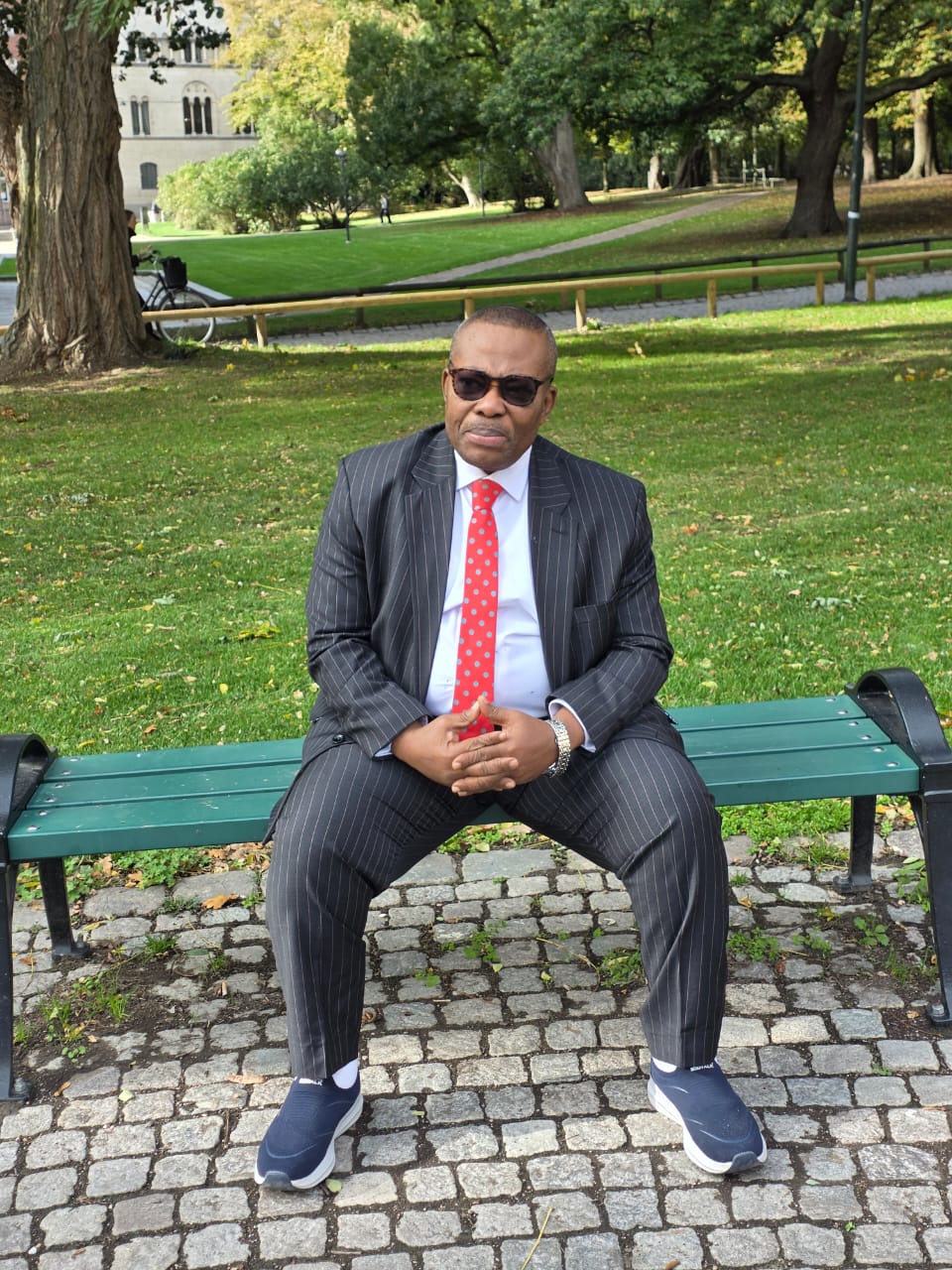
Dr. M. O. Ubani, SAN, Reflects on Scandinavian Experience, Taxation, Good Governance and Nigeria’s Development Challenges
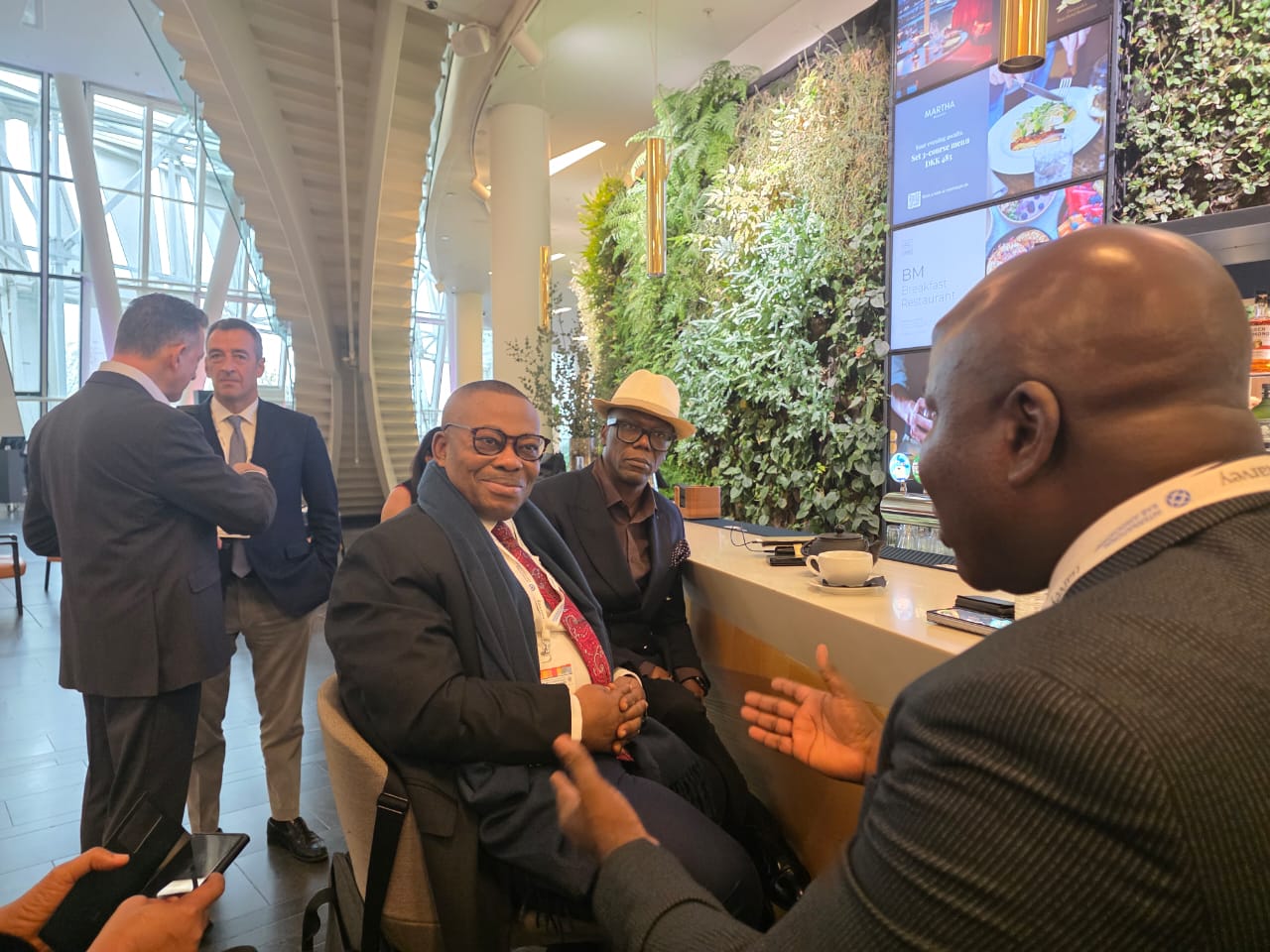
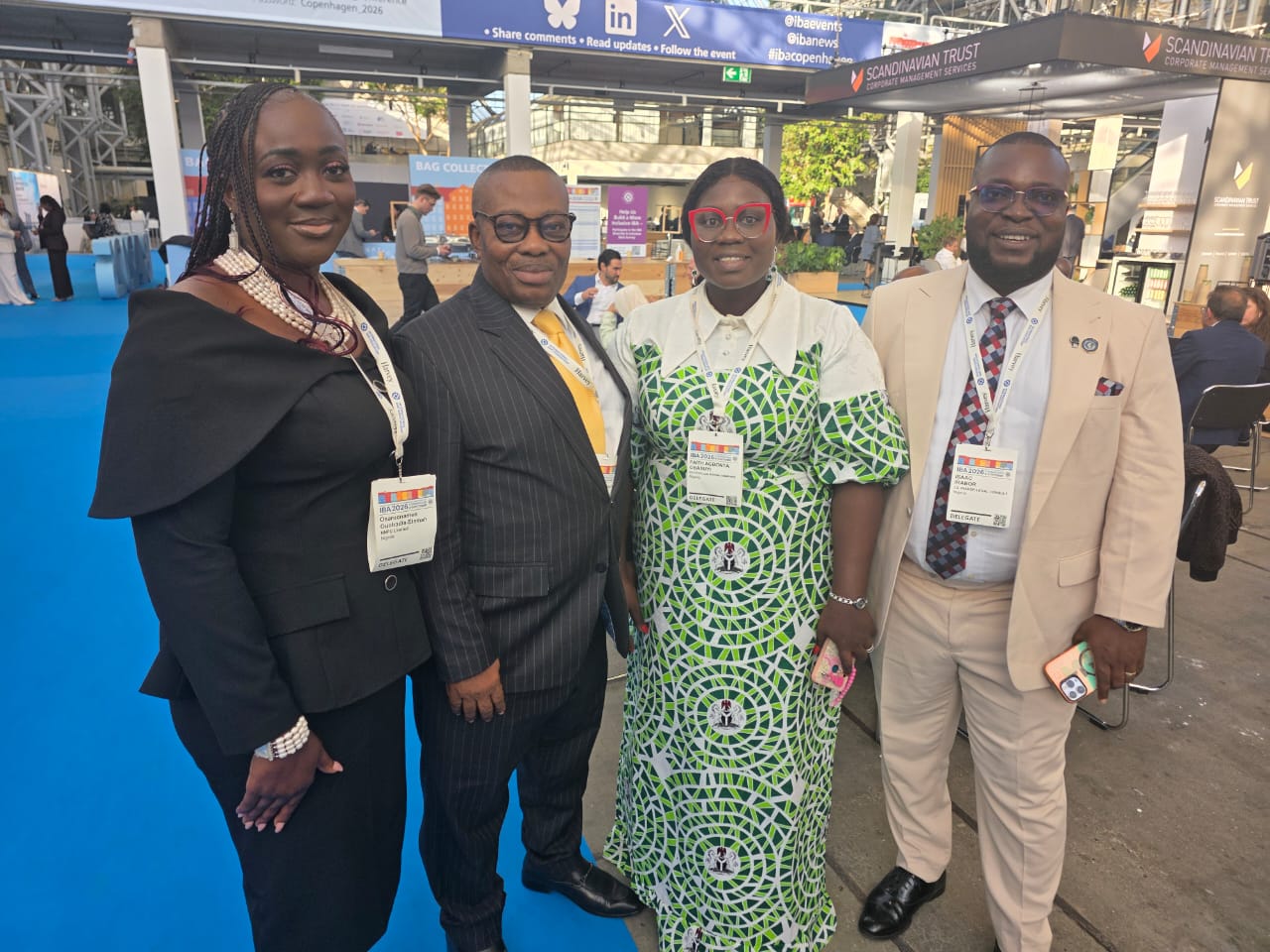
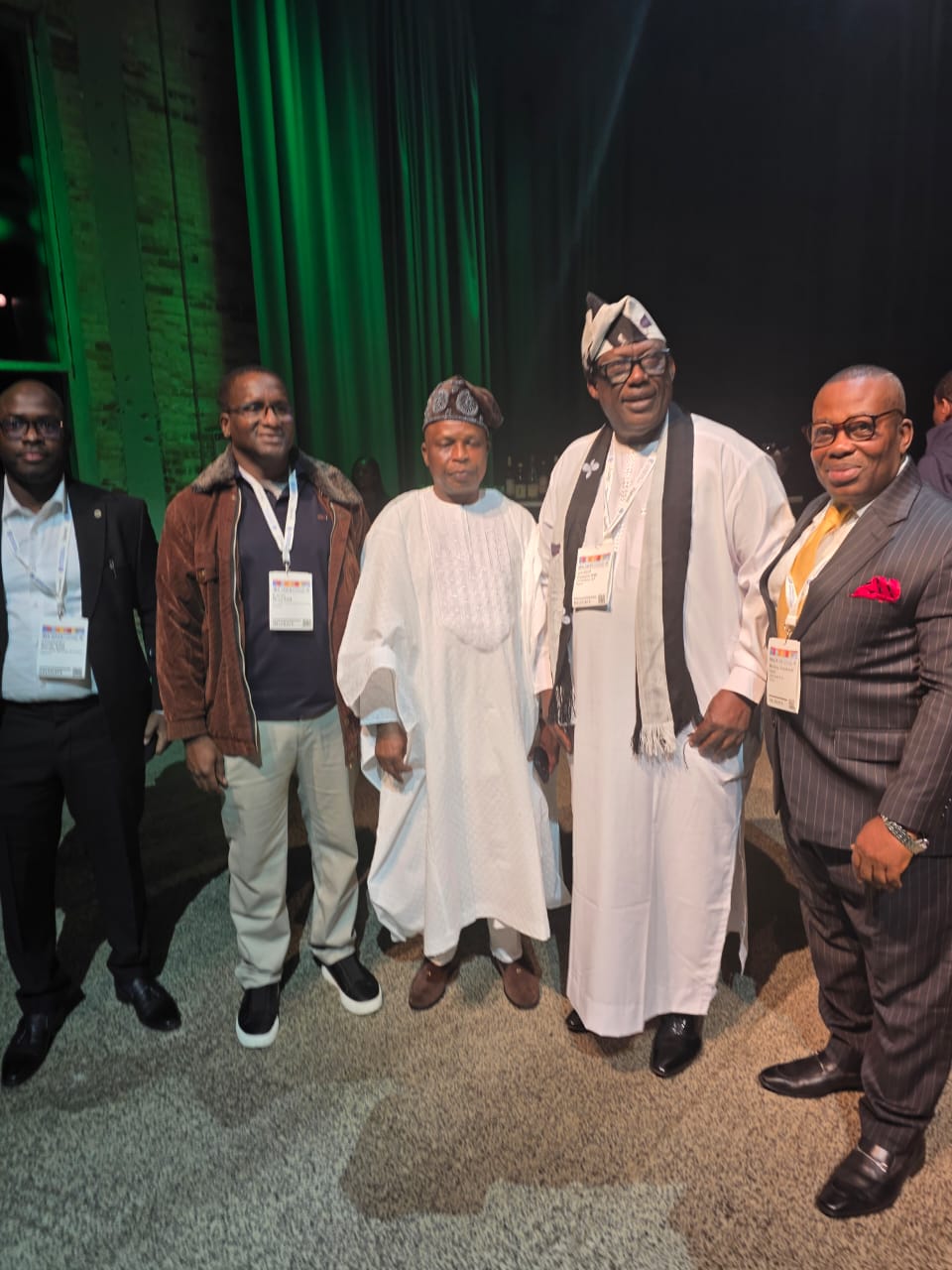
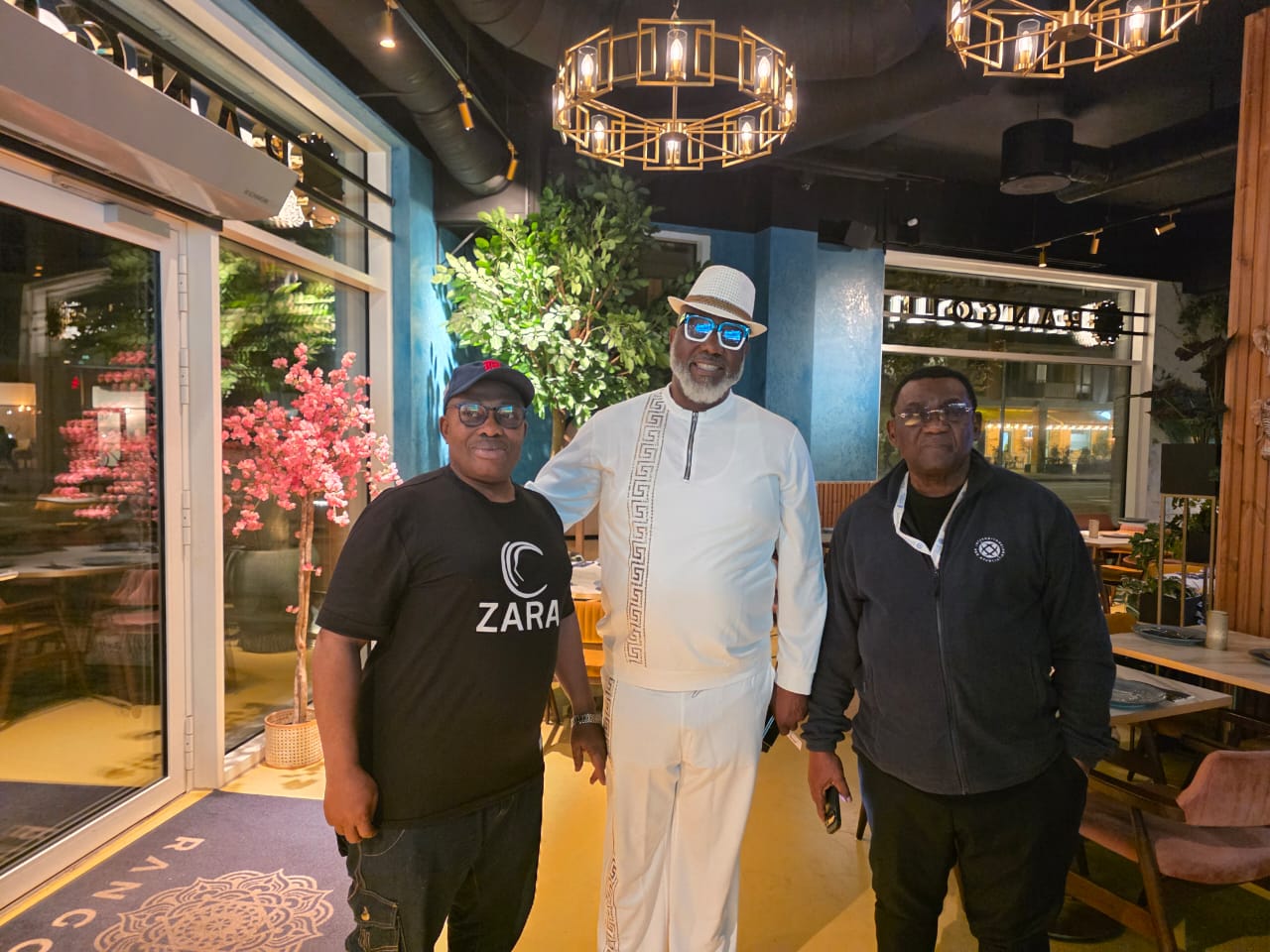
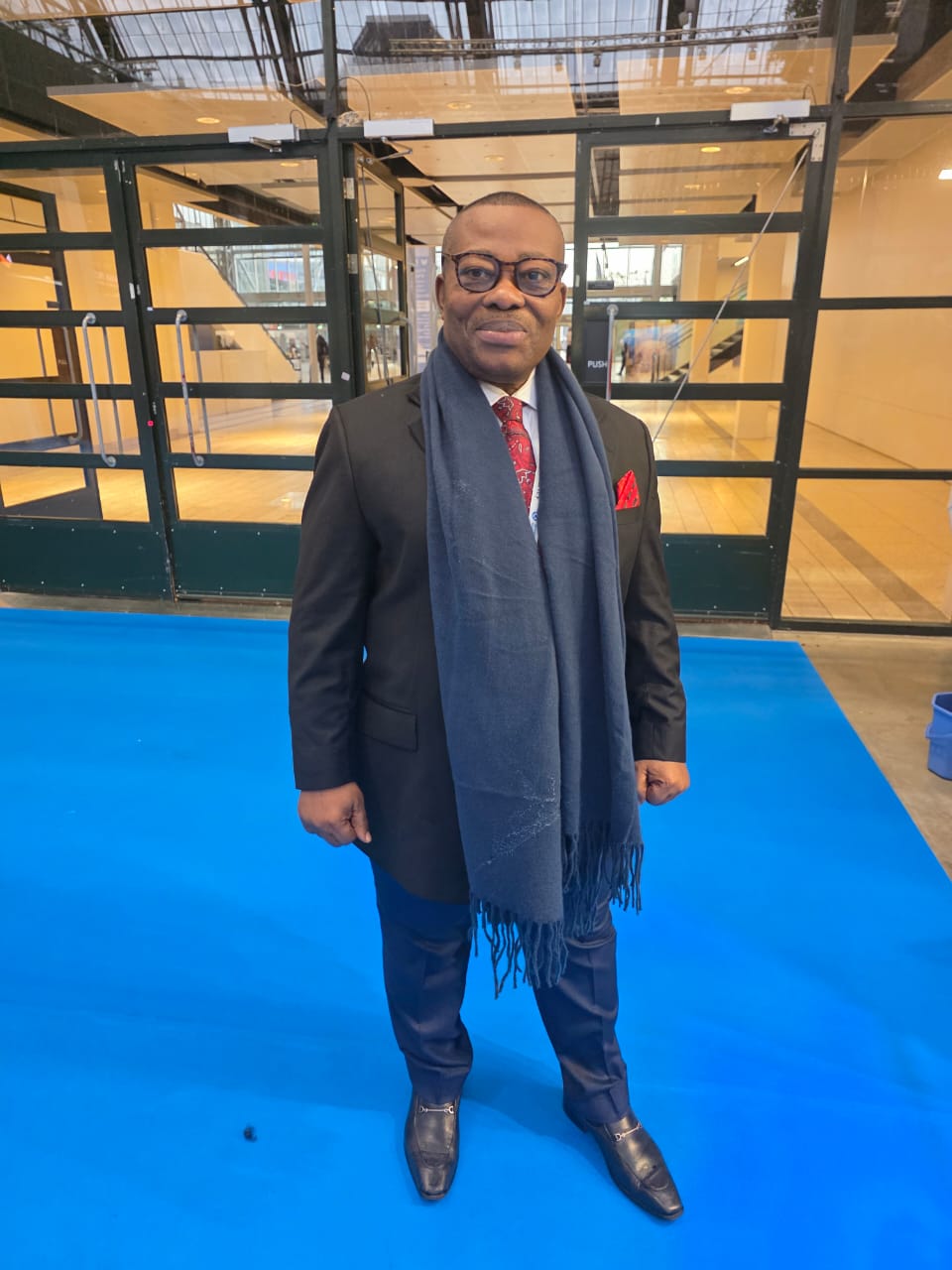
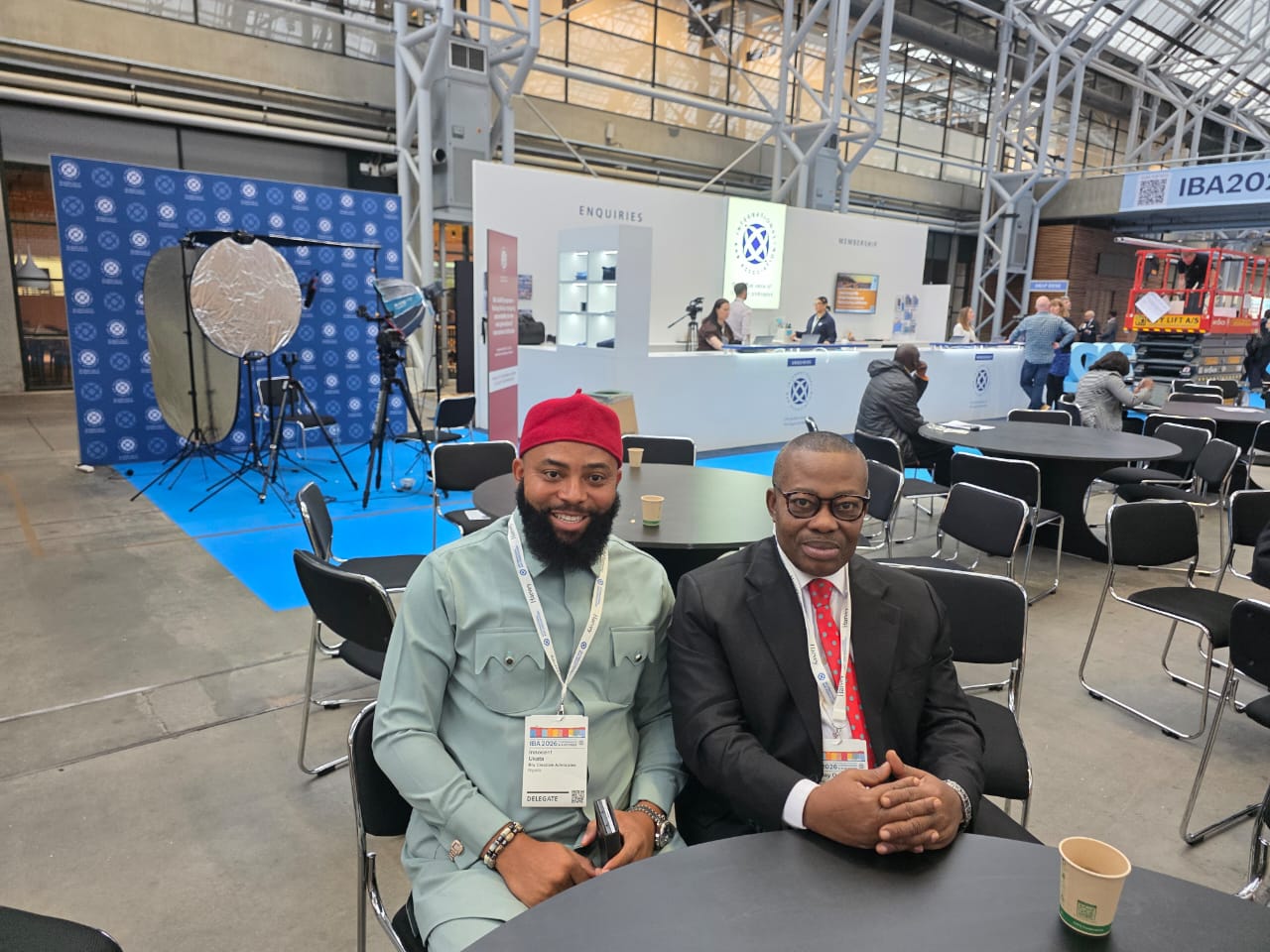
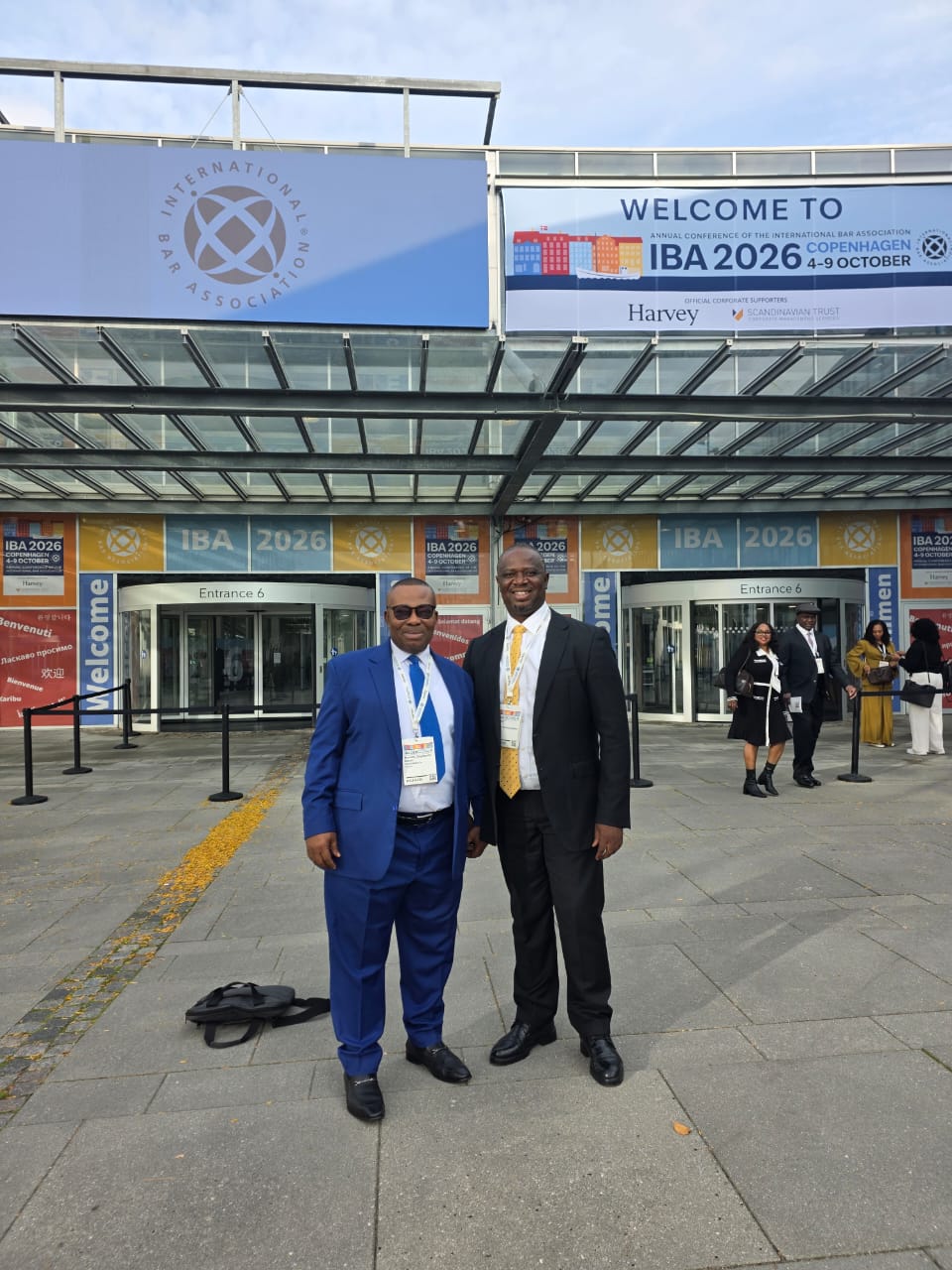
Following his participation in the International Bar Association (IBA) Annual Conference in Copenhagen, Denmark, renowned legal practitioner and policy analyst, Dr. M. O. Ubani, SAN, has challenged Nigerian leaders to rethink taxation, public accountability and governance, arguing that citizens would be more willing to pay higher taxes if government delivered essential services and a quality of life comparable to that of Denmark.
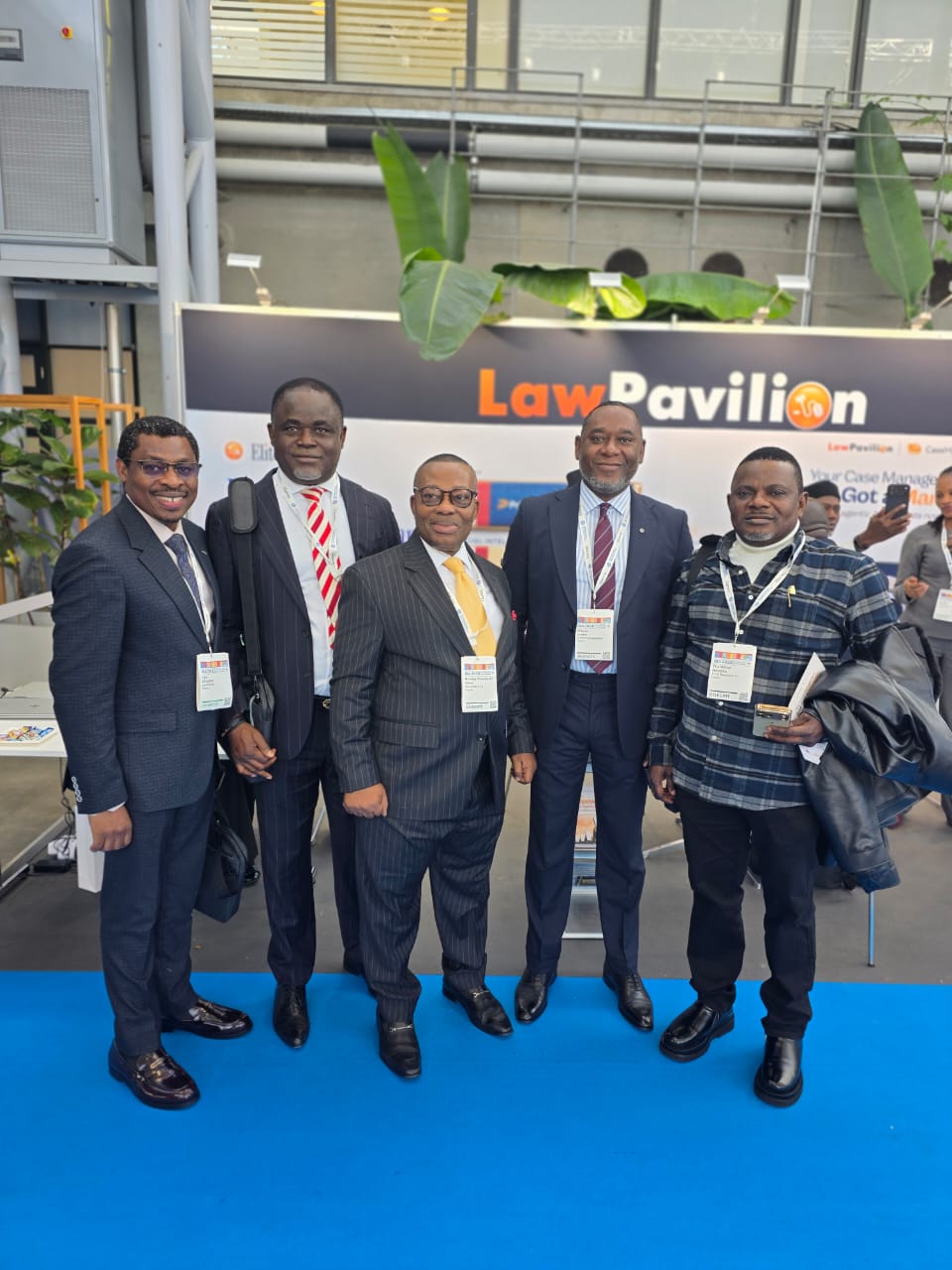
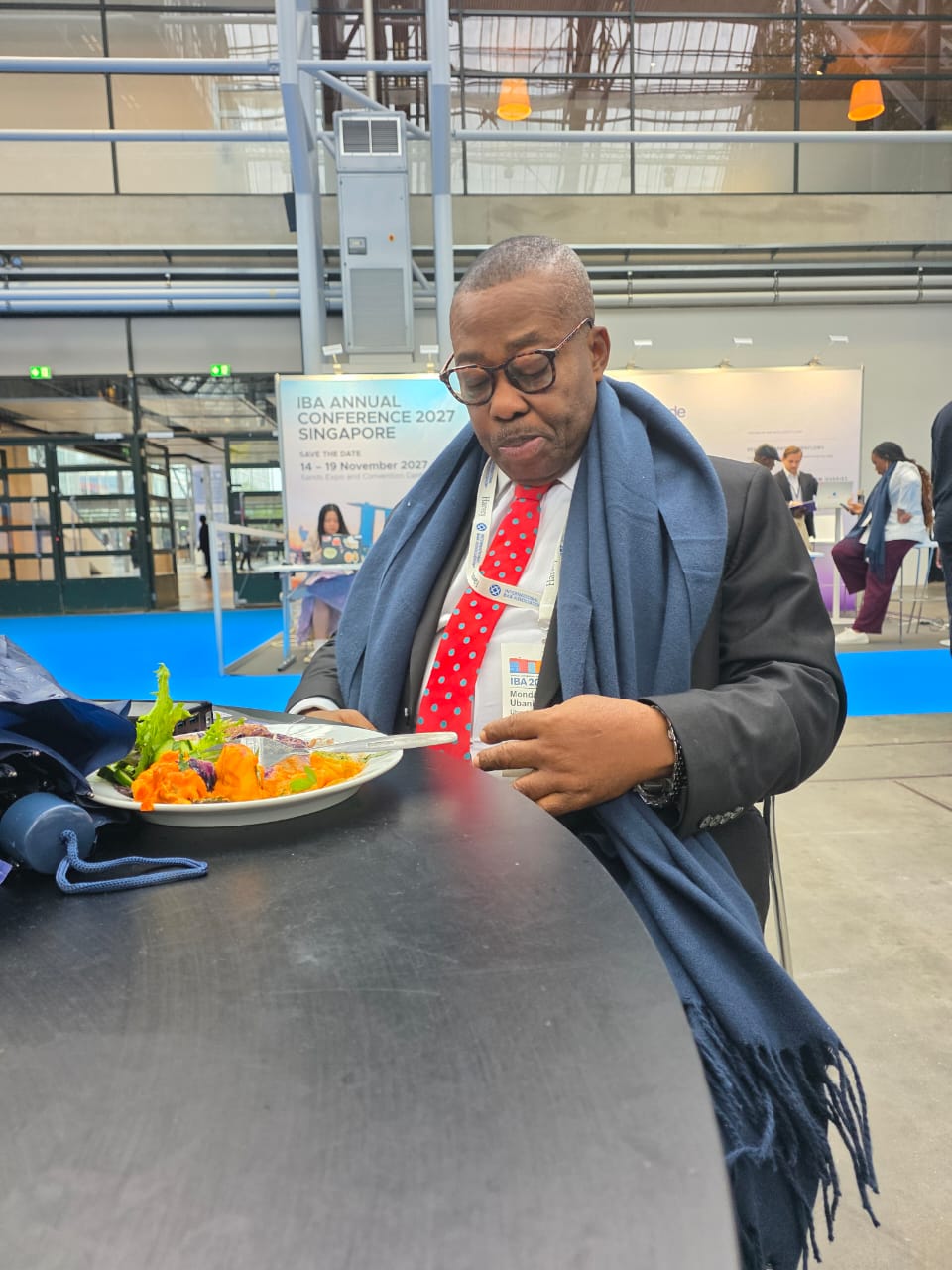
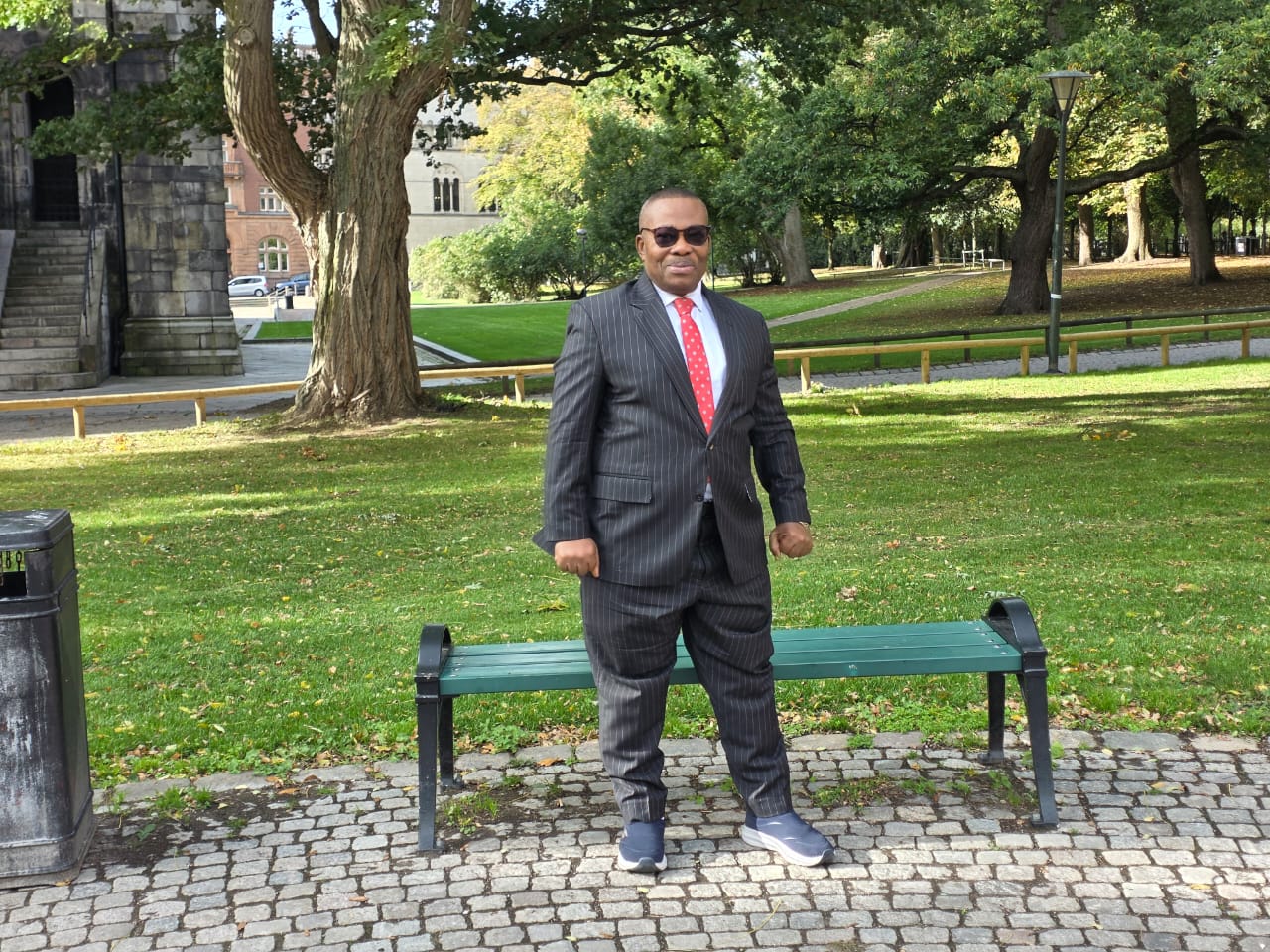
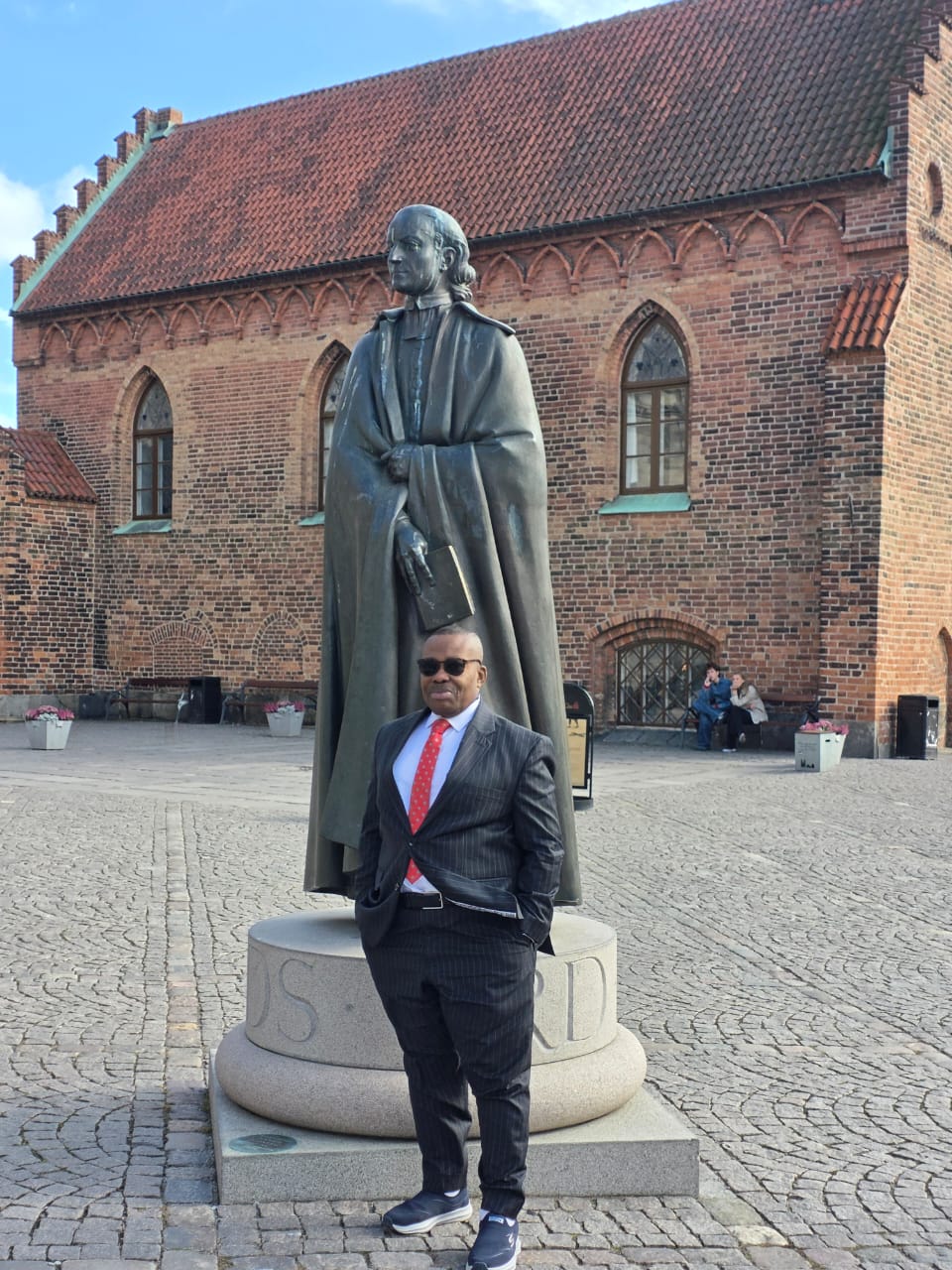
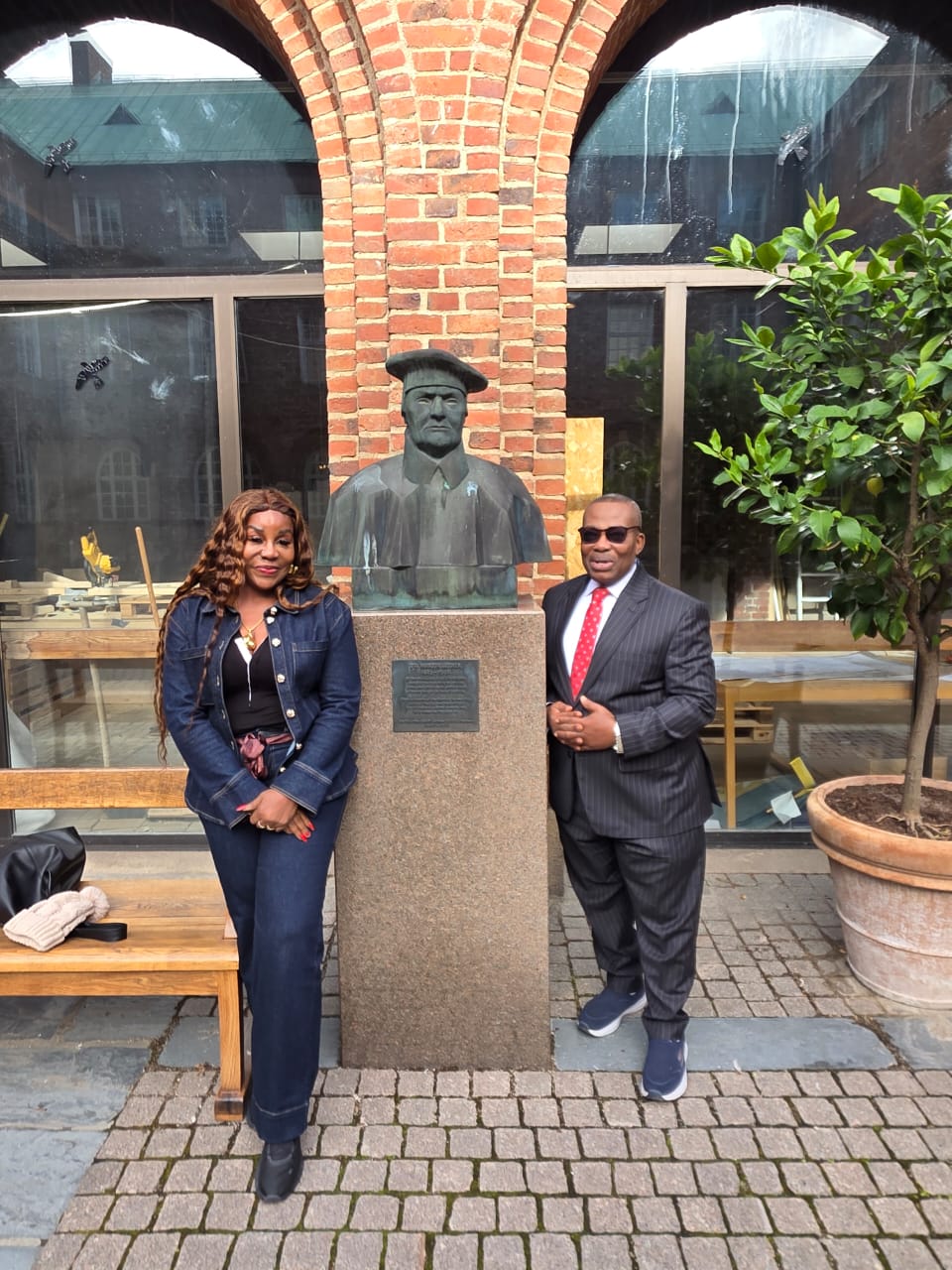
In a reflective piece titled “Would Ubani Mind Paying 50% Tax in Nigeria If I Got Denmark’s Quality of Life? My Copenhagen Experience,” Ubani explained how his recent visit to Copenhagen, alongside tourism visits to Sweden and another Scandinavian destination identified as Hamlet in his original account, provided valuable insights into the relationship between effective governance, responsible resource management and citizens’ welfare.
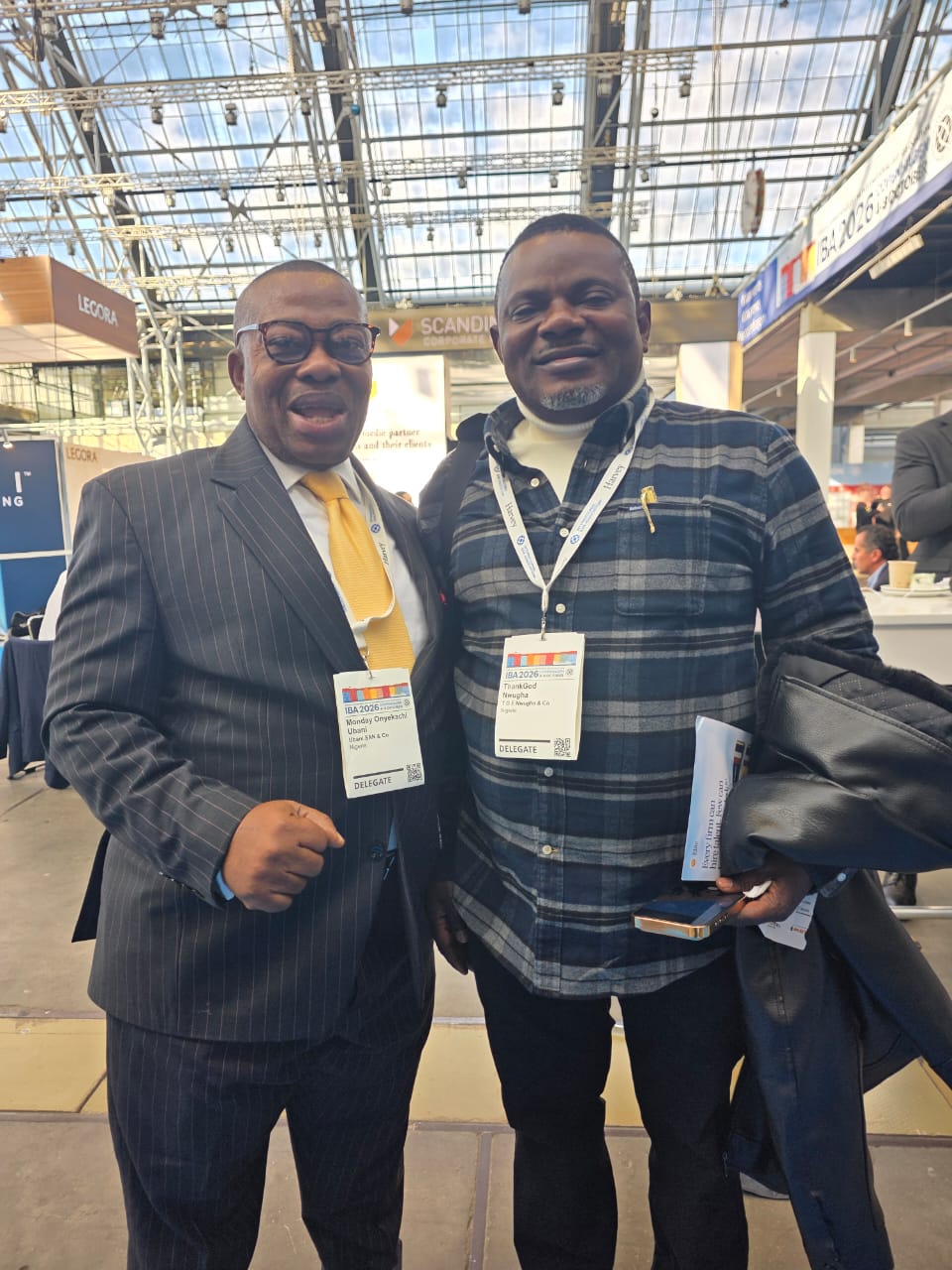
Although the IBA conference provided a platform for professional engagement and advocacy for greater culinary diversity at future international conferences, Ubani said his experience extended beyond legal discussions and professional networking.
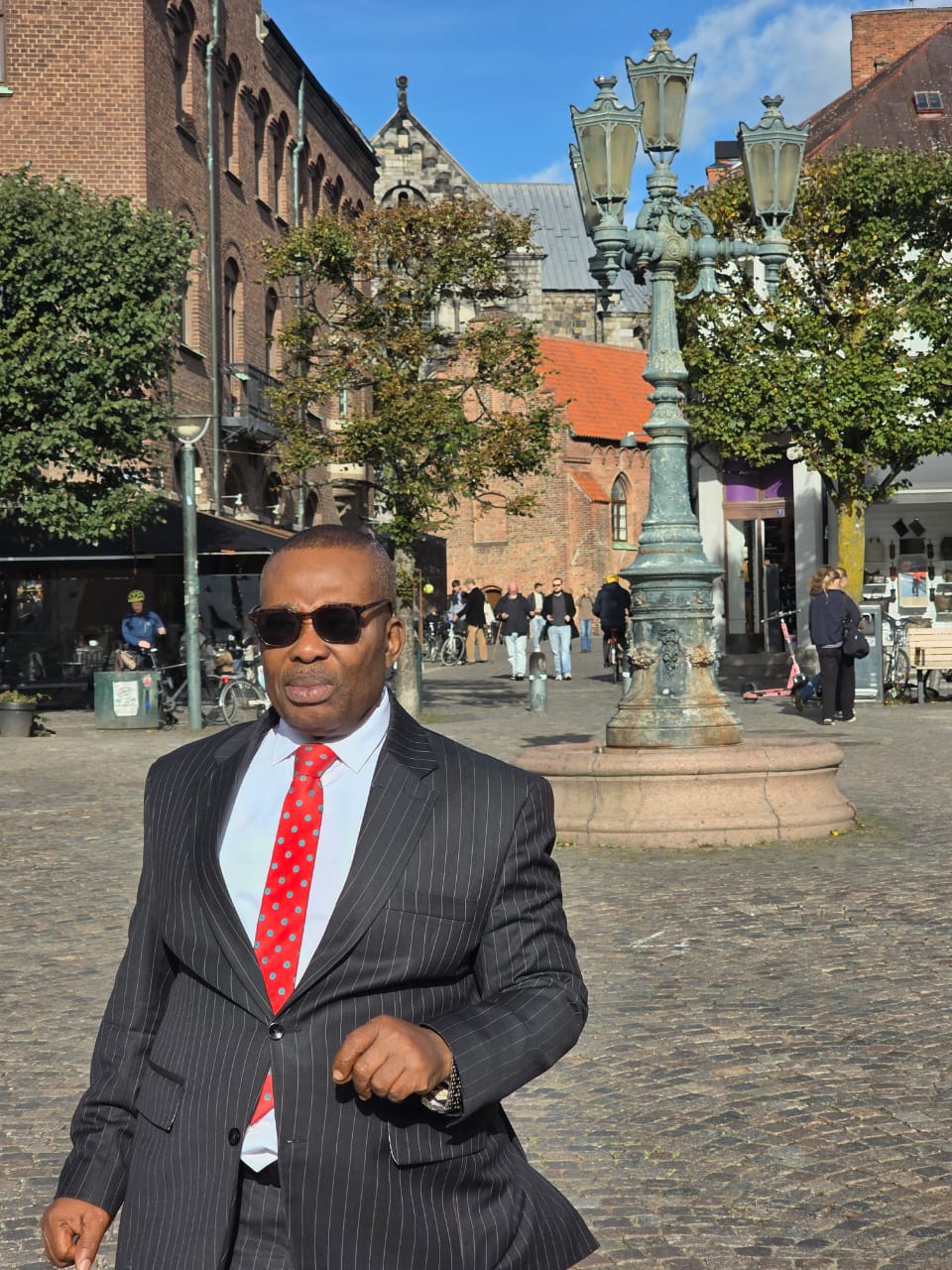
He described the trip as an opportunity to examine how well-organised societies function and to reflect on the lessons Nigeria could draw from countries that have invested considerably in public infrastructure, institutional development and social welfare.
One of the most striking aspects of Ubani’s experience was Copenhagen’s transportation system, particularly its extensive cycling infrastructure, reliable metro services and well-maintained public spaces.
He observed that bicycles are an integral part of everyday transportation in the Danish capital, supported by dedicated cycling routes and road designs that promote safety. The city’s metro system is also reliable, accessible and integrated with other forms of transportation, making movement easier for residents and visitors.
Beyond transportation, Ubani noted the cleanliness, security and general organisation of public spaces, describing these features as evidence of a society where infrastructure and public services are designed to improve the everyday experiences of citizens.
He contrasted this with the challenges confronting many Nigerians, including poor roads, unreliable electricity, inadequate public transportation and limited access to essential services.
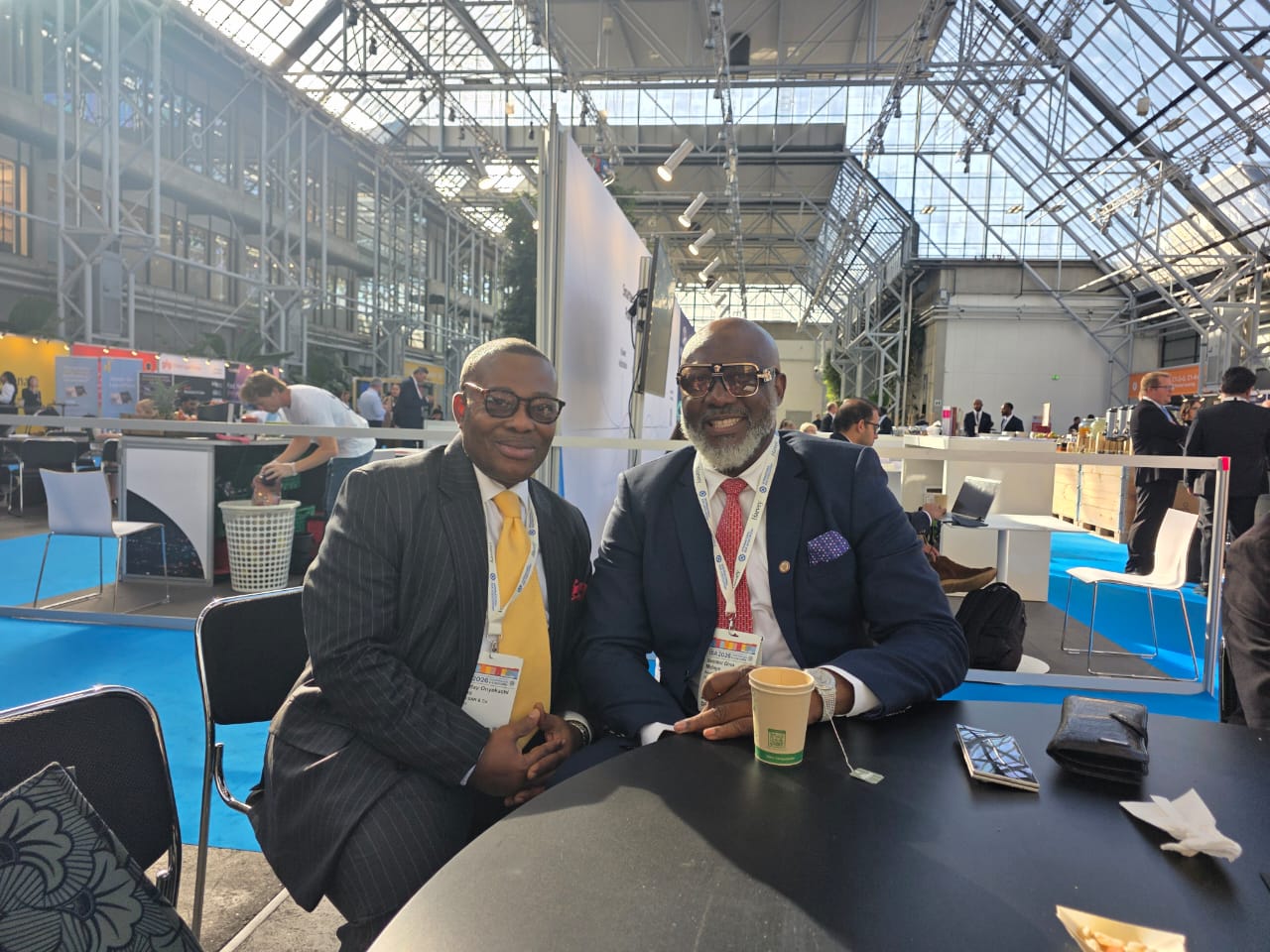
According to him, what may appear extraordinary to many Nigerians has become part of the ordinary expectations of daily life in Denmark.
Ubani argued that a nation’s greatness should not be measured solely by its natural resources, economic statistics or the wealth accumulated by a privileged few. Rather, the true measure of development should include the quality of life available to the majority of its citizens, the reliability of public services and the dignity with which people conduct their daily affairs.
He maintained that Denmark’s experience demonstrates the importance of making citizens’ welfare a central consideration in public policy.
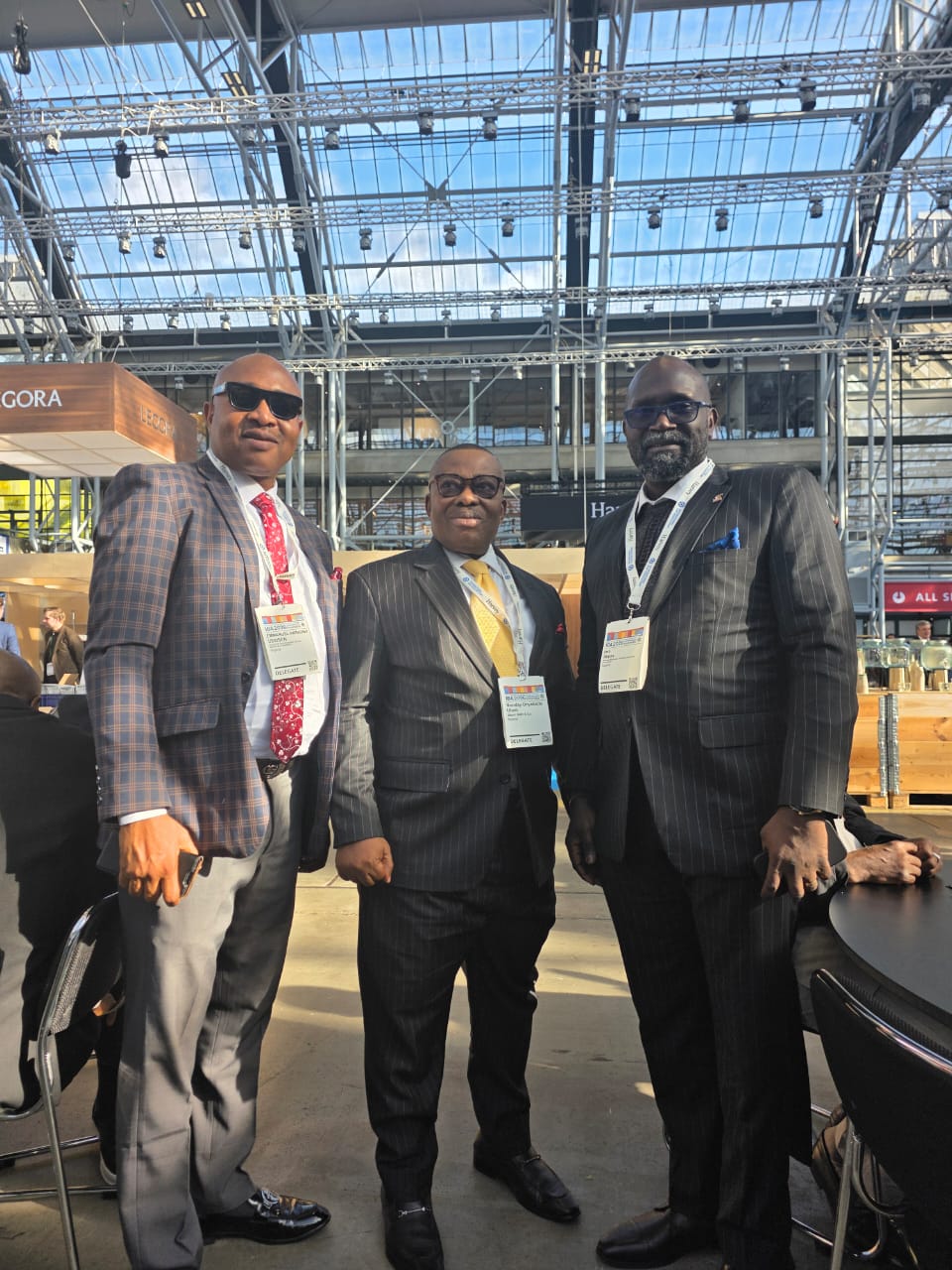
THE TAXATION QUESTION: WHAT DO CITIZENS GET IN RETURN?
A major lesson Ubani drew from his Scandinavian experience concerns Denmark’s relatively high-tax system.
He acknowledged that, depending on income and applicable taxes, some taxpayers in Denmark can face marginal tax rates around or above 50 per cent, a figure that could appear excessive to Nigerians already grappling with rising living costs and economic hardship.
However, he argued that the more important question is not simply how much citizens pay in taxes, but what they receive in return.
Denmark provides publicly funded education, broad access to healthcare, social protection and public infrastructure. Although its system also faces challenges, including waiting lists, debates over public expenditure and disagreements about government policies, Ubani observed that the relationship between taxation and public services is more visible than what many Nigerians experience.
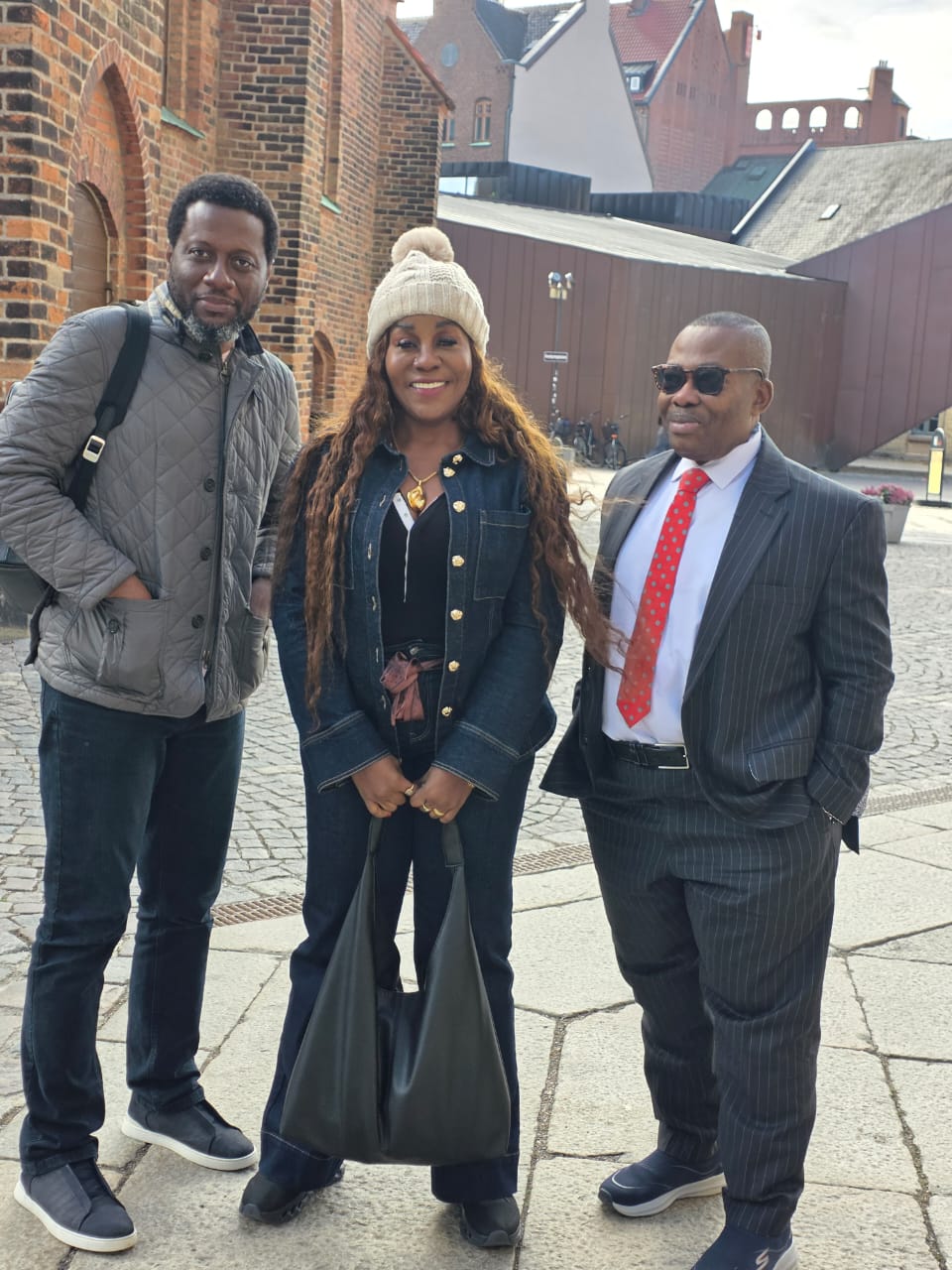
He stressed that citizens are more likely to accept taxation when they can see tangible benefits in their everyday lives.
Such benefits, he explained, include functioning schools, adequately equipped hospitals, dependable public transportation, safe roads, reliable public utilities and a clean environment.
Conversely, when governments demand more financial contributions from citizens without delivering corresponding public value, taxation can become a source of frustration, resentment and distrust.
For Ubani, the central issue is therefore not merely the amount of revenue government collects, but how responsibly and effectively that revenue is utilised.
NIGERIA’S NATURAL WEALTH AND THE CHALLENGE OF DEVELOPMENT
Reflecting on Nigeria’s development challenges, Ubani argued that the country possesses enormous natural and human resources capable of supporting a much higher standard of living.
He identified crude oil, natural gas, fertile agricultural land, a vibrant population, entrepreneurial energy and substantial human capital as some of Nigeria’s greatest assets.
However, he expressed concern that these advantages have not translated into consistent improvements in the living conditions of the majority of Nigerians.
He questioned why a country blessed with oil and gas continues to struggle with reliable electricity, why parents must make enormous sacrifices to educate their children only for many graduates to face unemployment and uncertainty, and why access to quality healthcare remains heavily dependent on personal financial capacity.
He also drew attention to the poor state of roads, the economic losses associated with inadequate infrastructure and the barriers that persons with disabilities continue to encounter when accessing public buildings and essential services.
These challenges, he maintained, should concern every responsible Nigerian, particularly political leaders and public officials entrusted with managing the nation’s resources.
According to Ubani, the problem is not necessarily a lack of resources, but the persistent difficulty of converting available resources into sustainable public prosperity.
He argued that the Nigerian experience makes it imperative to examine the quality of leadership, the effectiveness of public institutions and the transparency of government spending.
“I WOULD NOT MIND PAYING HIGHER TAXES IF NIGERIA DELIVERED DENMARK’S QUALITY OF LIFE”
In what forms the central argument of his reflection, Ubani declared that he would be willing to pay higher taxes in Nigeria if the government could provide a standard of living comparable to what he experienced in Denmark.
He was, however, careful to clarify that his position should not be interpreted as a call for Nigeria to immediately introduce a 50 or 60 per cent tax rate.
Such a proposal, he explained, would be inappropriate without considering Nigeria’s prevailing income levels, poverty rates, cost of living, large informal economy and the government’s capacity to provide essential public services.
He also cautioned against assuming that a tax system that works in Denmark could automatically produce the same results in Nigeria.
Instead, Ubani called for a fundamental shift in the country’s understanding of taxation and governance.
He argued that taxation should not be treated primarily as an instrument for extracting money from citizens, but as a means of financing public development, expanding opportunities and improving living conditions.
Before asking Nigerians to pay more, he maintained, government must demonstrate a genuine commitment to transparency, prudent spending, the reduction of waste, the fight against corruption and the delivery of measurable results.
He further argued that taxpayers should be able to assess government performance by examining not only the revenue collected but also the projects completed, services provided and improvements achieved with public funds.
THE NIGERIA NIGERIANS DESERVE
Ubani outlined a vision of a Nigeria where citizens can see clear evidence of the benefits of taxation in their communities.
He called for properly maintained roads, functioning streetlights, safe pedestrian walkways, attractive public spaces and efficient waste-management systems.
He also advocated urban planning that prioritises people rather than vehicles alone, alongside safe, affordable and dependable public transportation systems that connect communities and support economic activity.
On electricity, he expressed the need for a country where homes and businesses enjoy reliable power, reducing excessive dependence on generators and the associated financial burden on households and entrepreneurs.
Healthcare, he said, must be accessible without forcing citizens into financial hardship. He called for functional primary healthcare centres, adequately equipped public hospitals, qualified medical personnel, essential medicines and dependable emergency services.
Education was another critical priority in his vision of a developed Nigeria.
Ubani argued that every child should have access to quality basic education, qualified teachers, safe classrooms, libraries, laboratories and digital learning resources.
He also advocated affordable and accessible university education, with higher institutions positioned to drive research, innovation, skills development and economic growth.
According to him, these objectives are achievable, provided the country demonstrates sustained commitment to strategic planning, institutional discipline, responsible investment and accountable leadership.
Ubani explained that his reflections were informed not only by his recent Scandinavian experience but also by visits to several countries across different continents, including Australia, the United States, the United Kingdom, Mexico, Italy, Singapore, the United Arab Emirates and South Africa.
Nevertheless, he said his experience in Denmark and other Scandinavian destinations left a particularly strong impression on him.
What stood out, according to him, was the consistency of quality in everyday life, evident in transportation, urban planning, public spaces and the organisation of essential services.
He observed that these countries have developed systems suited to their own circumstances, drawing lessons from different governance traditions while adapting policies to meet their national aspirations.
For Nigeria, he said, the lesson is not to copy another country’s model without considering local realities, but to identify effective principles that can be adapted to the nation’s economic, political and social conditions.
He emphasised that strong institutions, effective public policies and responsible leadership play critical roles in national development.
Natural resources, he argued, cannot independently guarantee prosperity without the institutional capacity to manage them effectively and translate their value into benefits for citizens.
ACCOUNTABLE LEADERSHIP AS THE FOUNDATION OF PROSPERITY
Ubani expressed optimism that Nigeria can achieve a higher standard of living, provided its leaders demonstrate the political will, discipline and commitment required to transform the country’s enormous potential into tangible results.
He called for intentional and accountable leadership that places the welfare of the people at the centre of public administration.
He also emphasised the importance of godly principles in leadership, identifying integrity, justice, compassion, stewardship and a strong sense of responsibility as essential values for those entrusted with public power.
According to him, public office should be understood as a position of responsibility and service rather than an opportunity for personal enrichment.
He maintained that a functional tax system must be supported by institutions capable of ensuring that public revenue is collected fairly, managed transparently and deployed to meet the needs of citizens.
For Ubani, the ultimate objective should be to establish a system in which taxation contributes directly to national development and the creation of a society where citizens enjoy greater security, opportunity and dignity.
Concluding his reflection, Ubani reiterated his willingness to pay taxes at rates comparable to those applicable in Scandinavian countries if Nigeria could provide a corresponding quality of life.
He acknowledged that Nigerians may hold different opinions on the issue, particularly given the country’s present economic realities, but urged citizens to look beyond tax percentages and consider the broader relationship between taxation, public services and good governance.
He posed a fundamental question: Would Nigerians be more willing to pay taxes if they could see their contributions reflected in good roads, reliable electricity, quality education, accessible healthcare, efficient public transportation and a government that accounts for every naira?
For him, the answer is clear.
Nigeria has the potential to become a country where citizens enjoy better living conditions, greater economic opportunities and stronger social protection. Achieving that goal, however, requires more than increasing government revenue. It demands effective institutions, responsible management of public funds, transparent governance and leadership genuinely committed to the welfare of the people.
His central message is that the success of taxation should not be measured solely by how much government collects, but by the value it returns to society.
The challenge before Nigeria, therefore, is not simply to collect more revenue, but to build a country where public revenue translates into public prosperity.
As Ubani concluded, the country must trust in God’s help while also taking the practical steps necessary to improve its own circumstances.
Dr. M. O. Ubani, SAN, is a legal practitioner and policy analyst.
NEWS
AFTER DEVASTATING FLOOD, AKOBUNDU STANDS WITH NKALUNTA: DONATES RELIEF MATERIALS, CASH, MOVES MOTION FOR FEDERAL RESCUE
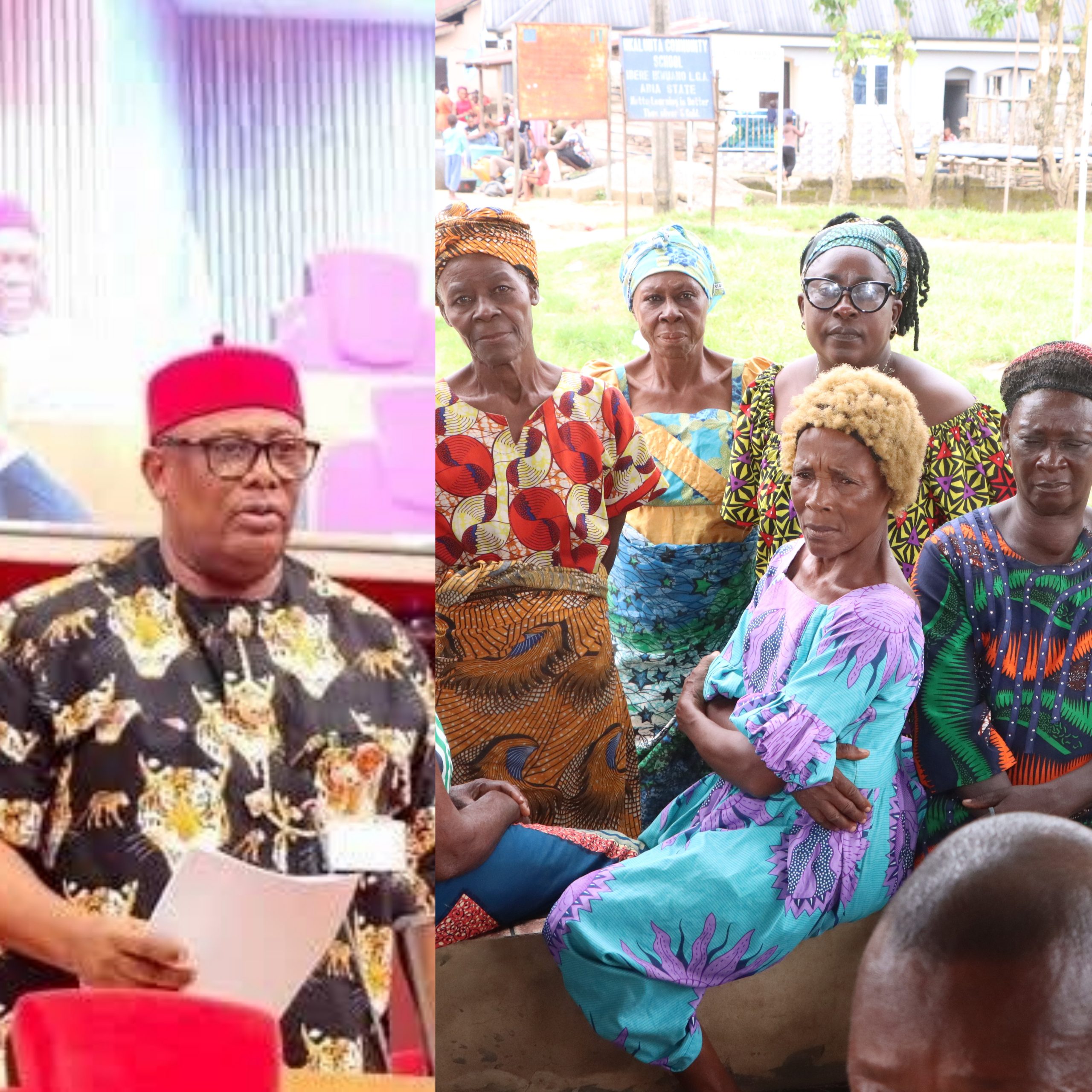
Calls for Urgent Federal Intervention as Overflow of Akoo River Leaves Residents Counting Their Losses
The people of Nkalunta Village in Otu Uzo-Ibere community, Ikwuano Local Government Area of Abia State, were thrown into distress on September 22, 2026, following a devastating flood caused by the overflow of Akoo River, which submerged the entire village and destroyed properties, leaving residents to grapple with the painful consequences of the natural disaster.
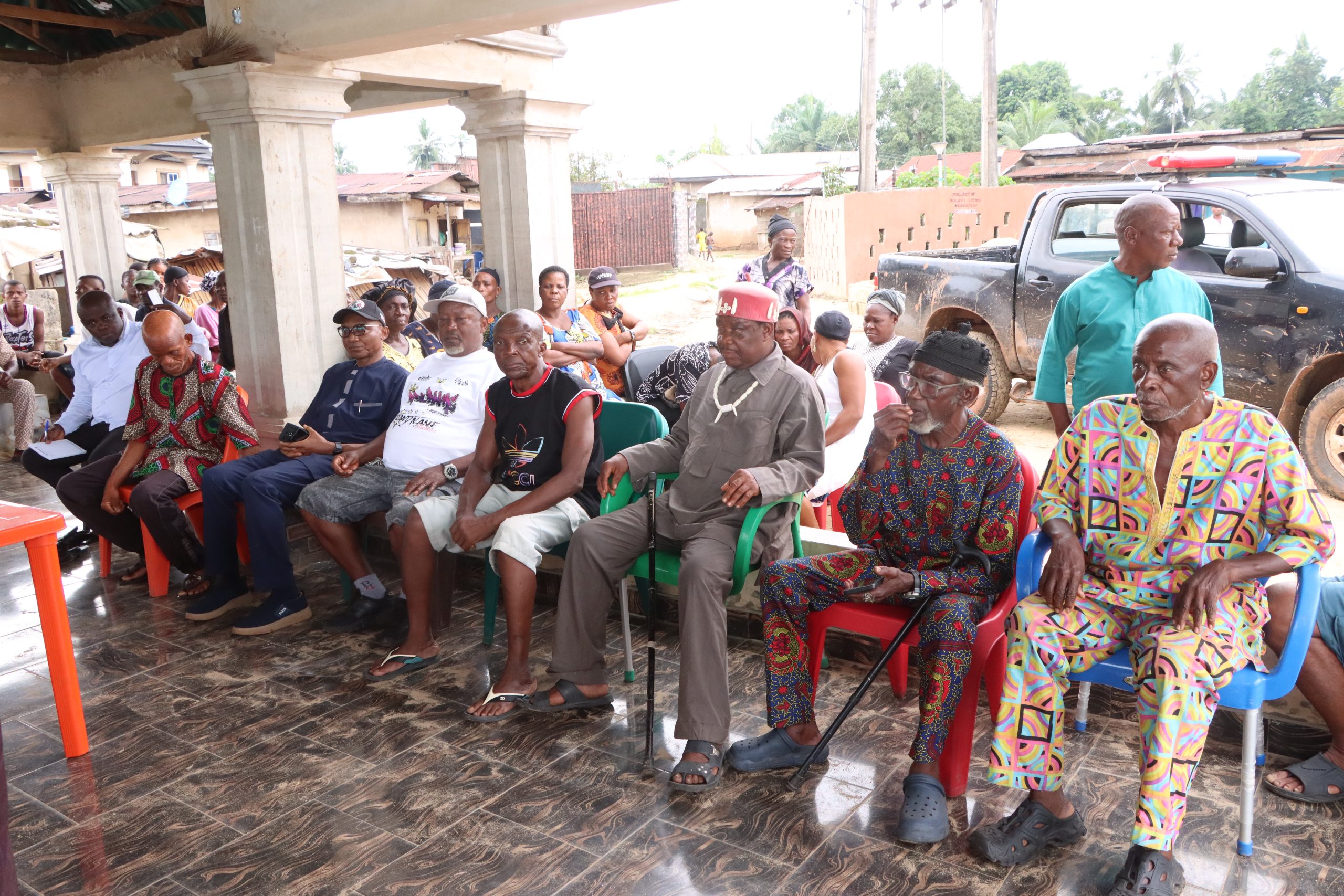
The incident, which disrupted the lives and livelihoods of members of the community, has renewed concerns about the recurring threat of flooding and the urgent need for a lasting solution to protect residents from further devastation.
Moved by the plight of his constituents, the Senator representing Abia Central Senatorial District, Senator Austin Akobundu, promptly initiated efforts towards finding a permanent solution to the flooding challenge. As part of his response, the senator has commenced steps to address the problem, with efforts towards a lasting remedy currently underway.
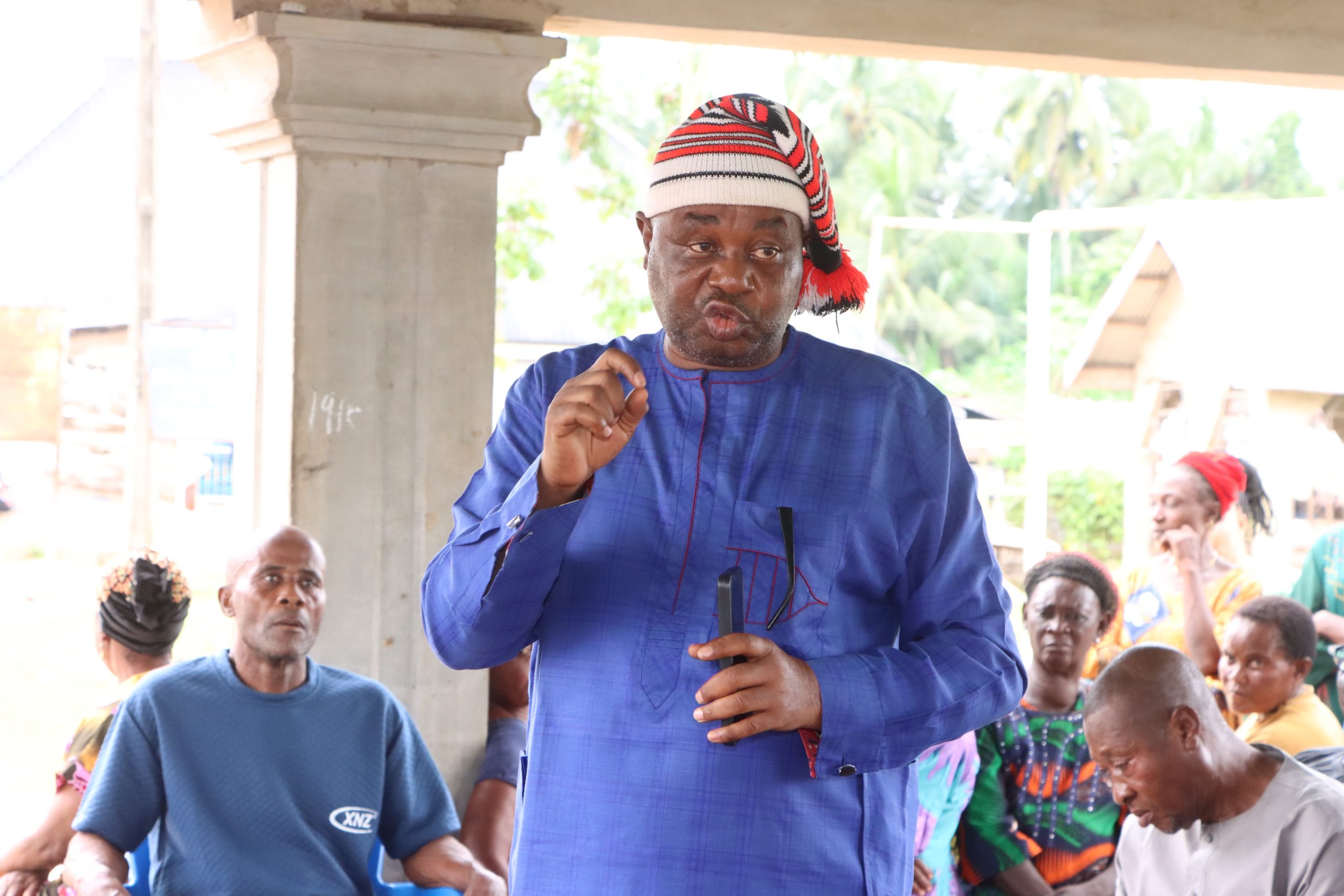
In a demonstration of solidarity and concern for the affected residents, Senator Akobundu subsequently visited Nkalunta Village to commiserate with the people over their losses, assess the situation and offer assistance to alleviate the hardship caused by the disaster.
During the visit, the senator, through members of his campaign council, donated relief materials and cash to support the victims as they navigate the difficult period.
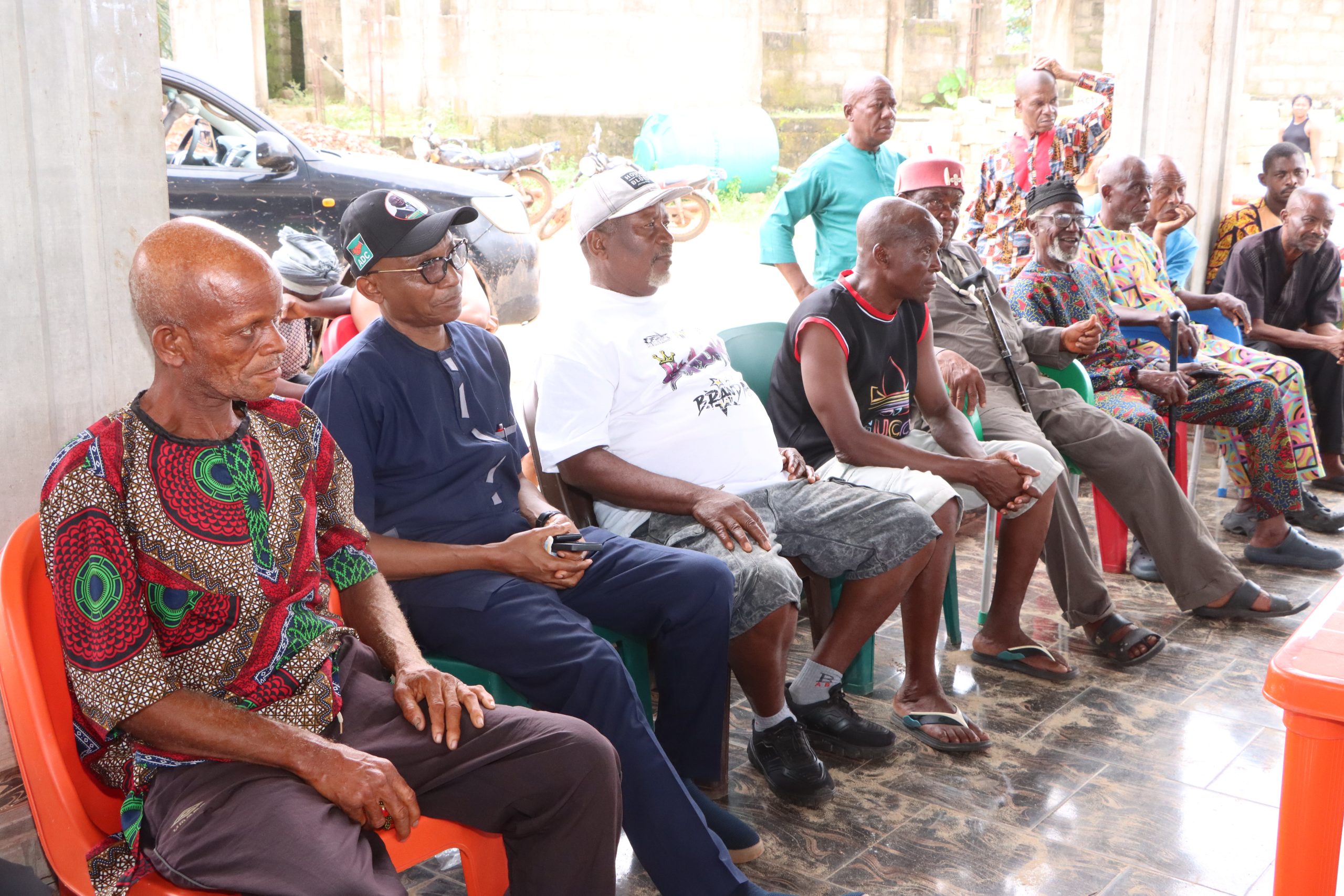
Speaking on behalf of the senator, the Deputy Director-General of the Senator Austin Akobundu Campaign Council, Barrister Suleiman Ukandu, said the visit was an expression of the senator’s genuine concern for the affected community, stressing that the victims were not alone in their moment of distress.
Ukandu explained that despite his demanding legislative and other official responsibilities, Senator Akobundu considered it important to personally identify with the people of Nkalunta, particularly because the community is part of Ikwuano Local Government Area, where he hails from, and falls within the Abia Central Senatorial District he represents at the National Assembly.
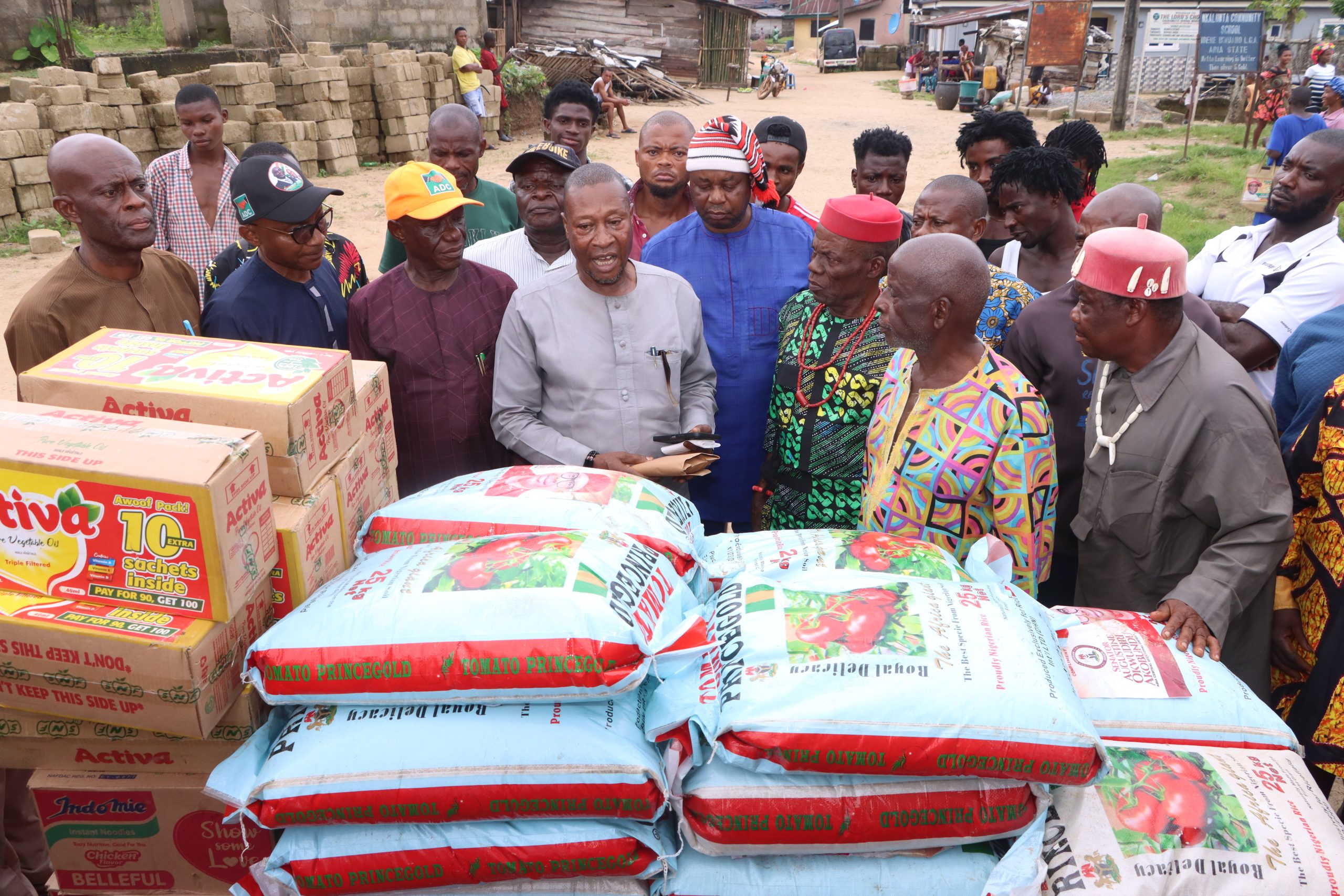
According to him, the senator had already begun taking steps towards addressing the flooding challenge before the delegation’s visit, underscoring his determination to ensure that the incident receives the necessary attention.
He further disclosed that Senator Akobundu was preparing to present a motion on the floor of the Nigerian Senate to draw national attention to the devastating flood and seek urgent intervention by the Federal Government.
The proposed motion, he said, would highlight the suffering of the affected residents and seek appropriate measures to address the underlying causes of the flooding, with the ultimate goal of securing a sustainable solution that would prevent a recurrence of the disaster.
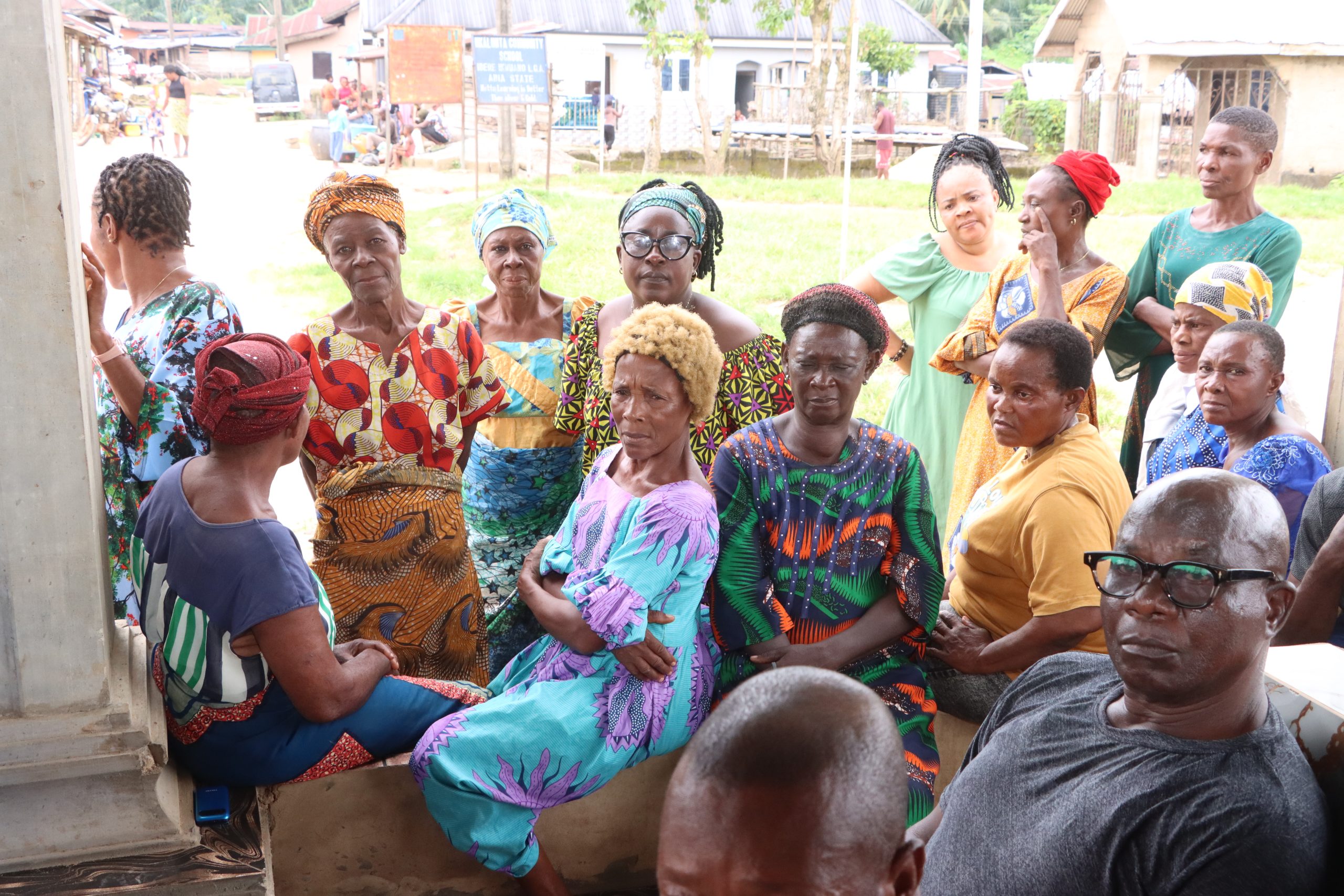
Ukandu noted that the senator’s intervention went beyond expressing sympathy, describing the visit as part of a broader commitment to working towards the protection and welfare of the people he represents.
Senator Akobundu used the occasion to reaffirm his commitment to the welfare and development of the people of Nkalunta, assuring them of his continued concern for their well being as efforts to address the flooding problem progress.
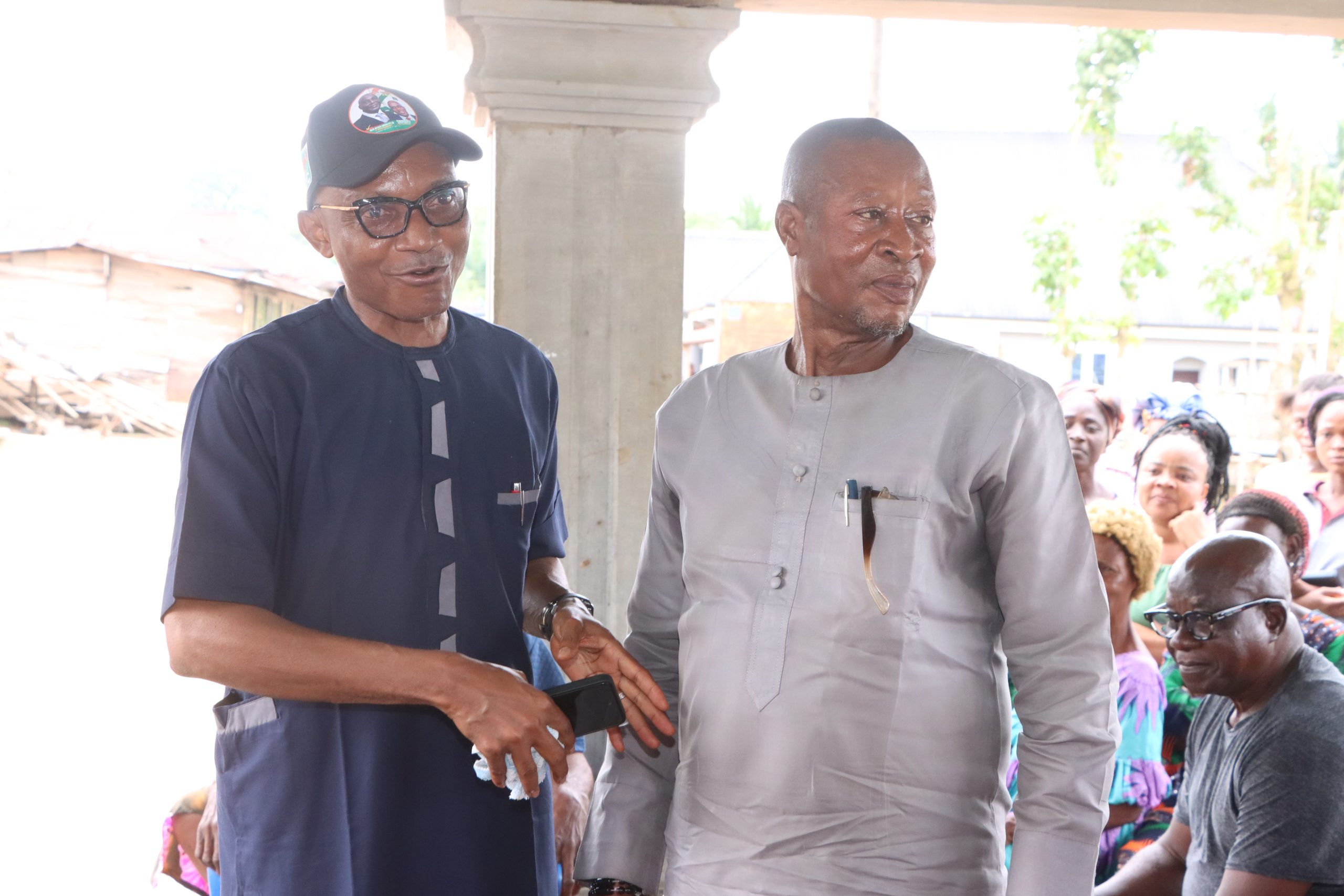
He also appealed for the people’s continued support for his re-election bid, expressing confidence in the importance of sustained collaboration between elected representatives and their constituents in addressing community challenges.
The senator’s visit provided an opportunity to engage directly with residents, hear their concerns and gain a clearer understanding of the difficulties they face following the destruction caused by the overflowing river.
Also speaking during the visit, the Administrative Secretary of the Senator Akobundu Campaign Council, Pastor Ekeleme Ikeije; the Ikwuano Coordinator of the council, Elder Henry Nwaoha; and the African Democratic Congress (ADC) candidate for Ikwuano State Constituency, Chief Clement Onukwue, expressed sympathy with the flood victims.

They acknowledged the devastating impact of the disaster on the community and expressed hope that the necessary interventions would be implemented to prevent a recurrence.
Their messages reinforced the need for collective action, effective intervention and sustainable measures to protect vulnerable communities from the destructive effects of flooding.
Responding on behalf of the community, the General Chief of Nkalunta, Chief Nwabueze Nkenna, expressed gratitude to Senator Akobundu for visiting the village at a difficult time to identify with the people and demonstrate concern for their plight.
He appreciated the senator’s gesture of support, describing the visit as a welcome show of solidarity with residents who had suffered significant losses as a result of the flood.
The community leader also assured the senator of the community’s continued support for his re-election bid.
The devastating flooding in Nkalunta has once again highlighted the vulnerability of communities situated around waterways and the need for proactive measures to prevent natural disasters from repeatedly threatening lives, property and livelihoods.

While the senator’s donation of relief materials and cash provides immediate assistance to affected residents, the community’s long term recovery will depend on the implementation of effective measures to address the flooding challenge.
The proposed motion before the Nigerian Senate is expected to provide an avenue for bringing the community’s plight to national attention and seeking the necessary federal intervention.
For the people of Nkalunta, the hope is that the current efforts will translate into a lasting solution that will safeguard their homes, restore their livelihoods and spare future generations the trauma of another devastating flood.
As the people begin the difficult process of recovering from the disaster, Senator Akobundu’s visit represents a gesture of solidarity, while the ongoing efforts towards a permanent solution remain central to the community’s expectations.


UBANI, SAN, FAULTS SUPREME COURT CEREMONY ORGANISATION, DEMANDS RESPECT FOR SENIOR LAWYERS

WOULD NIGERIANS PAY 50% TAX FOR DENMARK’S QUALITY OF LIFE?

AFTER DEVASTATING FLOOD, AKOBUNDU STANDS WITH NKALUNTA: DONATES RELIEF MATERIALS, CASH, MOVES MOTION FOR FEDERAL RESCUE

Ahead of Convocation, PhD Graduands Defeat Master’s Counterparts in Friendly Football Match

HRH EZE CHARLES UKATTAH DEFENDS GOVERNOR OTTI, DESCRIBES MEDIA EXCHANGE AS MISUNDERSTANDING

WHEN LEADERSHIP IS WORKING, SYMBOLISM SHOULD NEVER BE ALLOWED TO OVERSHADOW SUBSTANCE. – HON STANLEY NWABUISI
-
 METRO3 months ago
Ahead of Convocation, PhD Graduands Defeat Master’s Counterparts in Friendly Football Match
-
 NEWS8 months ago
HRH EZE CHARLES UKATTAH DEFENDS GOVERNOR OTTI, DESCRIBES MEDIA EXCHANGE AS MISUNDERSTANDING
-
 POLITICS9 months ago
WHEN LEADERSHIP IS WORKING, SYMBOLISM SHOULD NEVER BE ALLOWED TO OVERSHADOW SUBSTANCE. – HON STANLEY NWABUISI
-
 NEWS8 months ago
HRH EZE SIR CHARLES ONORCHIE UKATTAH COMMENDS GOVERNOR ALEX OTTI’S PERFORMANCE, BACKS 2027 RE-ELECTION
-

 ENTERTAINMENT8 months ago
RADIO SHOUT-OUT STEALS HEART: RUBYBILLIONS CELEBRATES MARYFIAT NWANOSIKE’S BIRTHDAY IN STYLE
-

 NEWS5 months ago
Gracelyn Oko Celebrates Mothers, Describes Them as Builders of Destinies and Guardians of Godly Values
-

 NEWS5 months ago
Opotoyom, Ugoeze Emerge Winners of NDC Senate and House of Representatives Primaries in Abia
-
 NEWS7 months ago
ABIA MUST REMAIN NIGERIA’S NEATEST STATE — CATECHIST AMBROSE