
NEWS
CASOR ABSU,Umuahia Alumni Chapter Visits Umuahia Correctional Centre


The Christ Ambassadors Students Outreach, CASOR, Abia State University, Uturu, Umuahia Chapter has paid a visit to the Umuahia Correctional Centre as part of her yearly activities of reaching out to the society.
The Alumus during the visit enjoined the inmates to embrace change for whatever crime for which they were detained while believing that one day they would be re-adapted into the larger society.

Speaking on the topic, “Freedom Indeed” Pastor Ifeanyi Kalunta reminded the inmates that beyond physical freedom, mental and spiritual freedom remains key to becoming a better person. He reminded them that a relationship with Christ is the best relationship they can have on the earth no matter what happens in the centre as they are assured of a better life hereafter.
He used the opportunity to inform them that nothing makes a man better than realizing his faults and turning a new leaf with a decision never to go back to them even after leaving the facility while leading over 50 of them to Christ.


The highlight of the day was the announcement by the Chapter to take up cases of those with minor issues who have no lawyer and those who were retained for no justifiable reason by some lawyers of the alumni and presentation of some toiletries among others to the inmates.

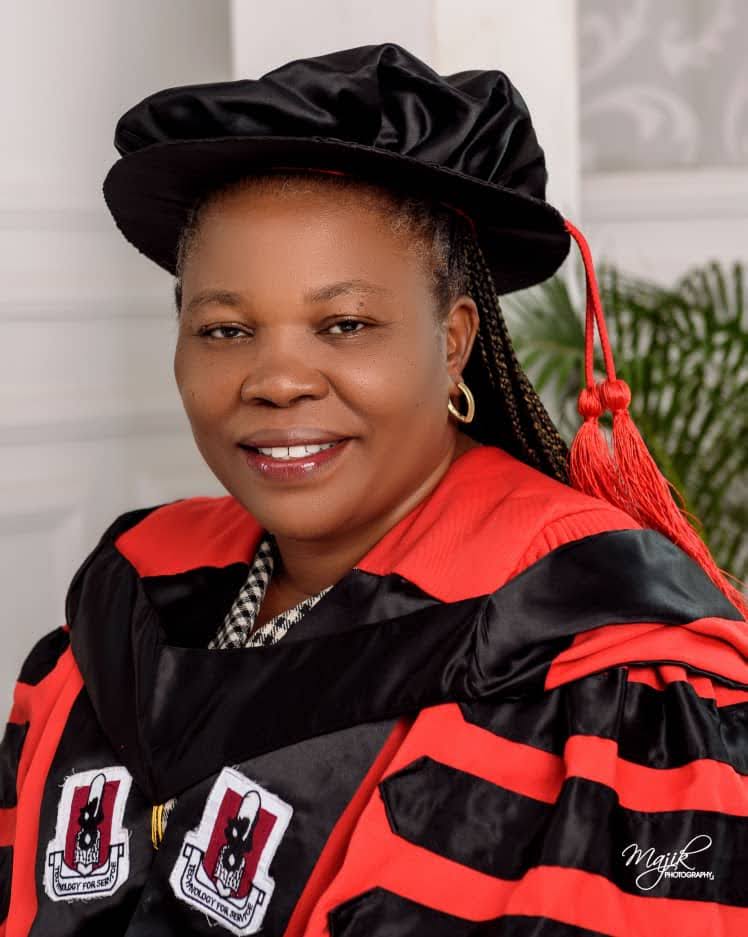
The State Executives and members of ASCATIC have extended warm birthday felicitations to one of their distinguished members, Quintessential Lady Nancy Ogechi Precious-Chinatu, Ph.D., celebrating her remarkable personality, exemplary virtues, and invaluable contributions to the growth and development of the Council.

In a birthday message released to commemorate the occasion, ASCATIC described Lady Nancy as a woman of grace, integrity, compassion, and outstanding character, whose active participation, unwavering support, and meaningful contributions have continued to advance the ideals and progress of the noble Council.
Beyond her commitment to the organisation, Lady Nancy is celebrated as a loving mother, a virtuous wife, and a dependable source of joy and inspiration to her husband and children. Her friendliness, focus, God-fearing nature, and heart of gold reflect a life guided by faith, love, humility, and service to humanity.
Her impeccable integrity, sincerity, and dedication to the things she believes in have further distinguished her as a woman of admirable values and a worthy example to others. Her presence and contributions remain deeply appreciated by fellow members who recognise her as a valuable part of the ASCATIC family.

As she marks another year, the State Executives and members of ASCATIC pray that Almighty God will continue to bless her household, strengthen her faith, crown the works of her hands with success, and grant her sound health, lasting peace, greater accomplishments, and many more fruitful years.
The Council also expressed its appreciation for her dedication and support, wishing her renewed grace, greater achievements, and countless reasons to celebrate in the years ahead.
Happy Birthday to our Quintessential Lady Nancy Ogechi Precious-Chinatu, Ph.D.
May your new year usher in greater greatness, abundant blessings, enduring happiness, and glorious testimonies. May your light continue to shine brightly, inspiring lives and making a meaningful difference wherever you go.
Congratulations from all of us at ASCATIC. You are celebrated, appreciated, and dearly loved

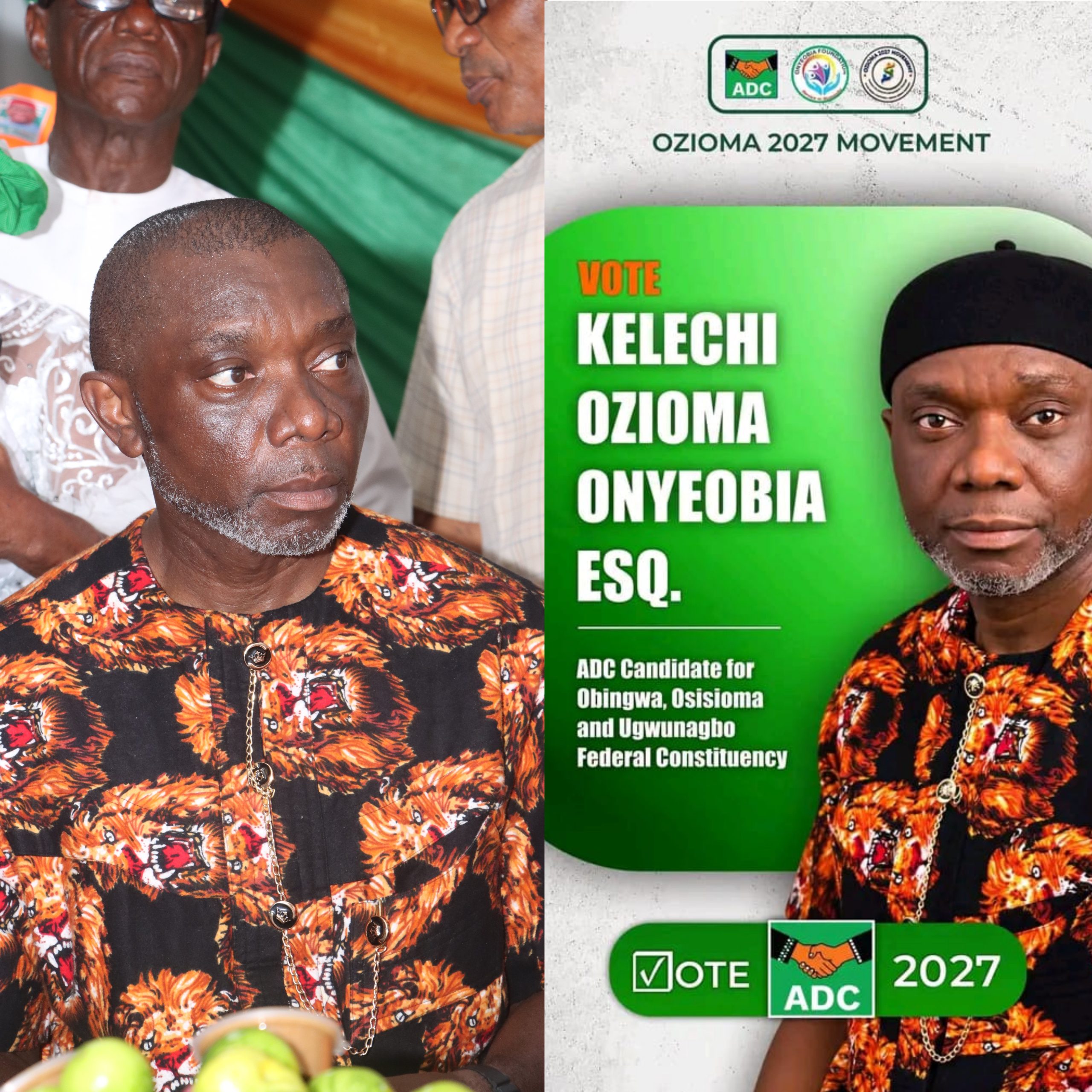
Barr. Kelechi Ozioma Onyeobia, the African Democratic Congress (ADC) candidate for the Obingwa, Osisioma and Ugwunagbo Federal Constituency, has called for stronger party unity, strategic planning and intensified grassroots mobilisation ahead of the 2027 general elections.
On Wednesday, October 21, 2026, Onyeobia held an interactive meeting with the ADC Osisioma 5-Arms Local Government and Ward Executives in Osisioma Ngwa, Abia State, to assess the party’s progress, review mobilisation strategies and identify areas requiring improvement.
Speaking at the meeting, the ADC Chairman in Osisioma Ngwa, Hon. Obioma Ogbonna, commended the candidates for their commitment to the party’s growth and pledged continued support, urging leaders and stakeholders to sustain cooperation.
Other party leaders, including Hon. Emeka Ahukanna, ADC LGA Secretary; Hon. Michael Onyekwere, Ward 1 Chairman; and Hon. Chibuzor Akokwu, Ward 6 Chairman, highlighted ongoing efforts to strengthen the party through ward level engagement and grassroots mobilisation.
Similarly, Hon. Dan Onwutuebe, Osisioma Ngwa Coordinator of the Atiku Abubakar/Rotimi Amaechi Campaign Organisation, expressed confidence in Onyeobia’s candidacy and urged members to work collectively towards electoral victory in 2027.
The Deputy Director General and Osisioma Coordinator of the Ozioma Movement, Hon. Obinna Otuonye, also encouraged members to spread the OZIOMA message across communities, assuring them of an inclusive movement guided by the popular Igbo expression, “Onye ruo ma, ya eri ma”, emphasising the principle that everyone should have a role in collective progress.
Addressing the executives, Barr. Onyeobia urged them to remain united, proactive and committed to delivering victory for all ADC candidates. He stressed the need for consistent community engagement, wider dissemination of the party’s message and stronger collaboration among leaders and stakeholders.

He reaffirmed his commitment to working closely with party structures to build a stronger, more inclusive and electorally competitive ADC across the federal constituency.
The meeting underscored the importance of grassroots participation, effective leadership and party unity as the ADC intensifies preparations for the 2027 general elections.
NEWS
UBANI SAN CHARGES NBA ORON ON ACCOUNTABILITY, SECURITY AND PROFESSIONAL EXCELLENCE AS BAR CENTRE PROJECT TAKES OFF


Senior Advocate says proposed NBA Oron House must promote mentorship, unity, institutional integrity and access to justice.
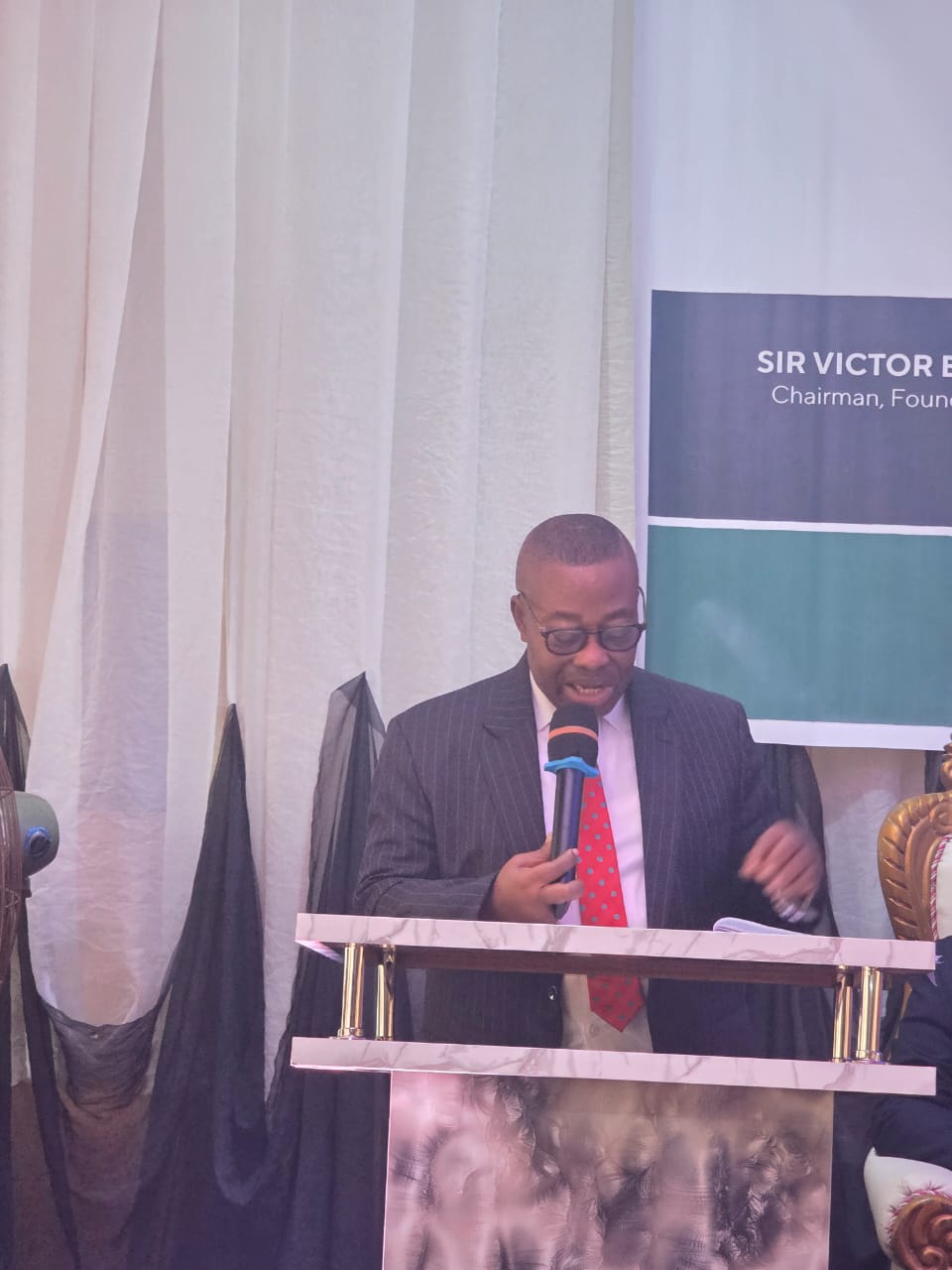
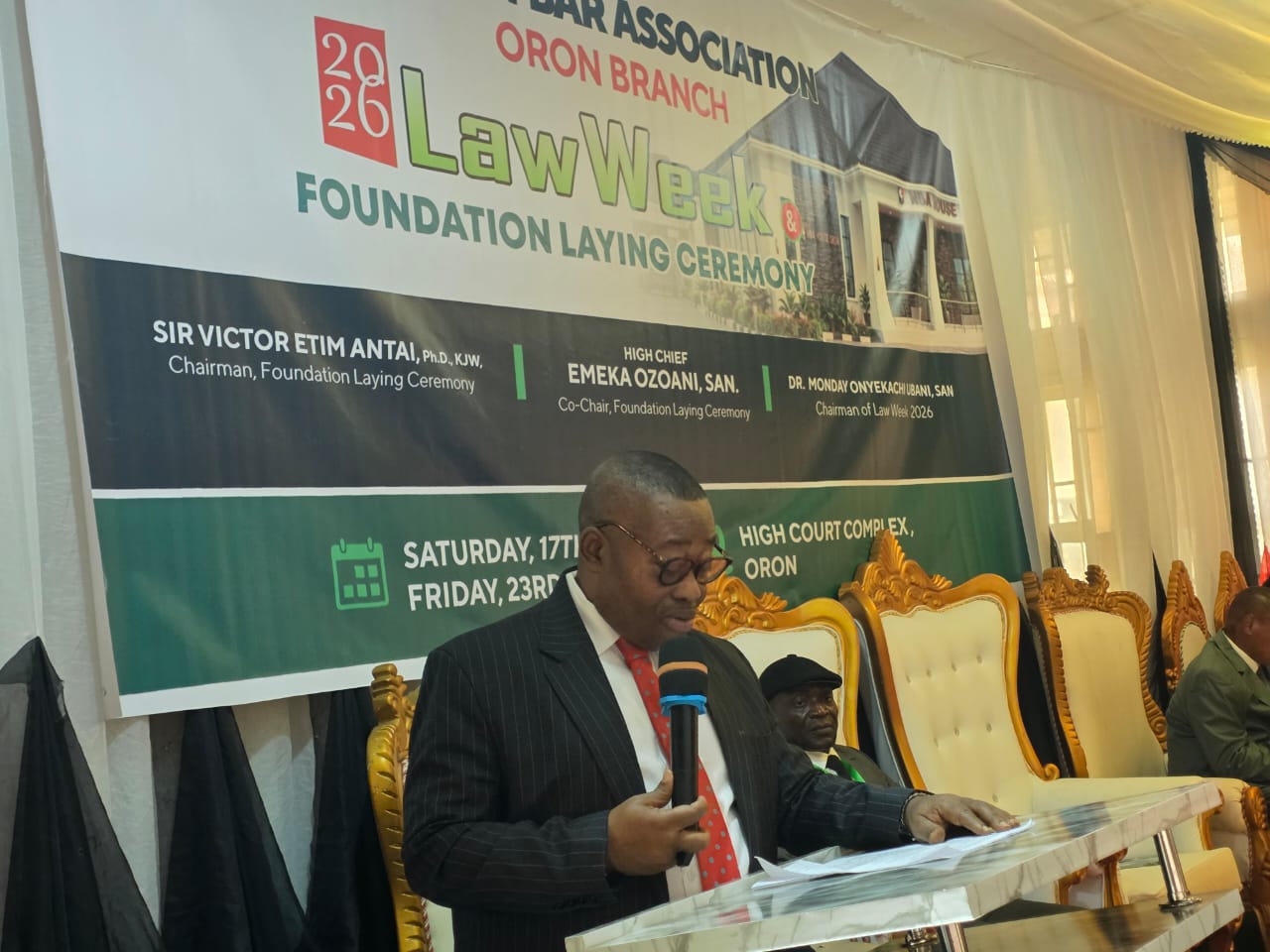
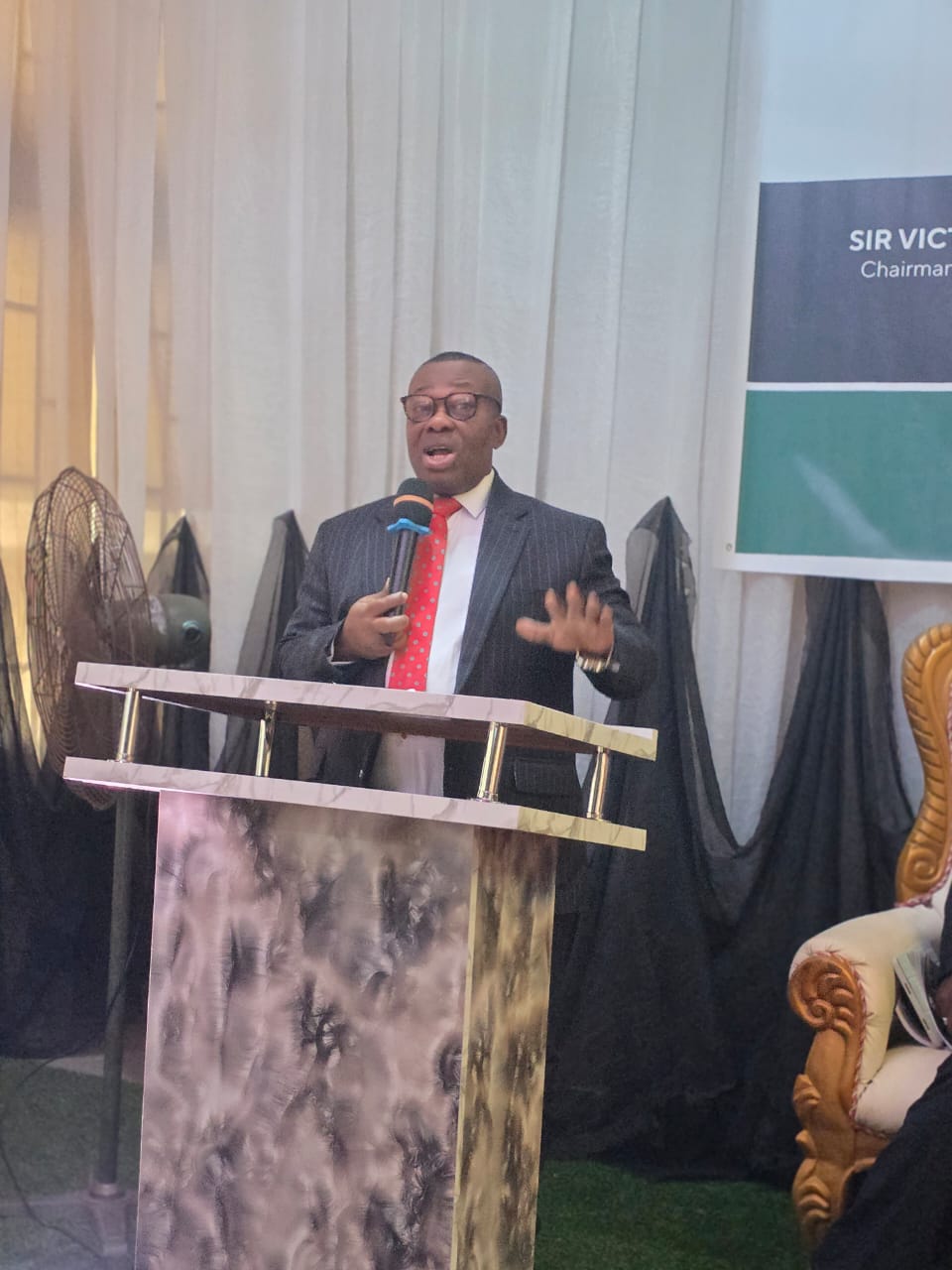
Dr. Monday Ubani, SAN, has called for a secure, dignified and professionally supportive environment for legal practitioners, stressing that the independence and safety of lawyers remain fundamental to the protection of the rule of law and the effective administration of justice in Nigeria.
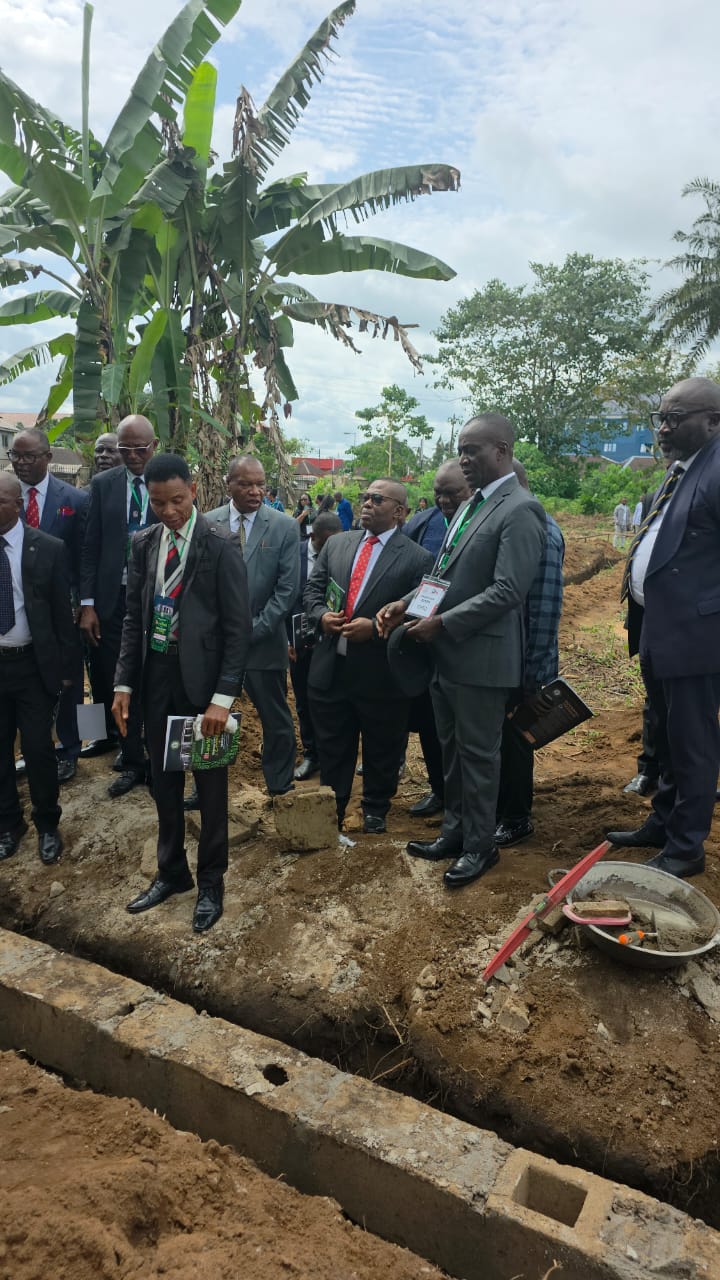
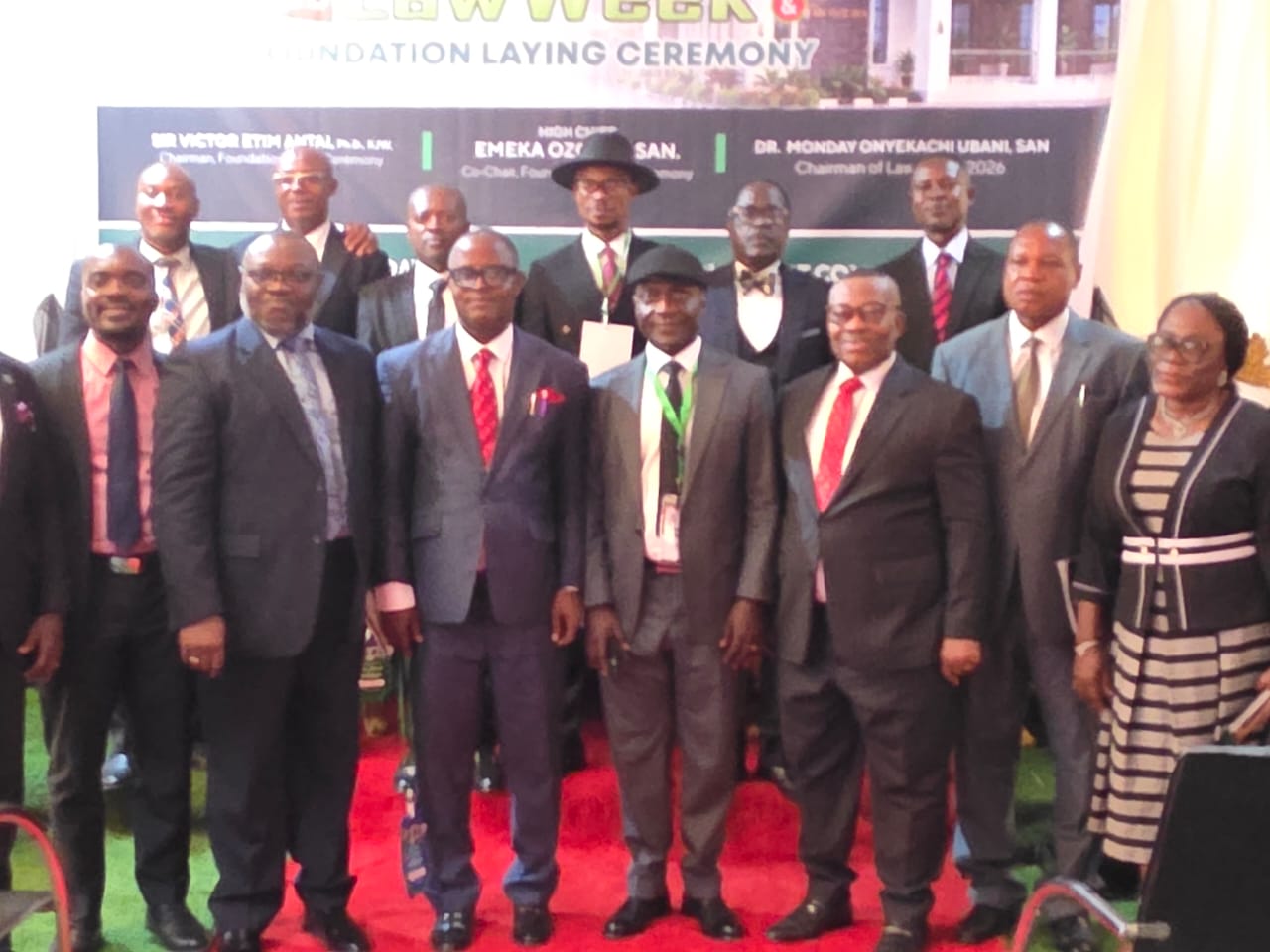
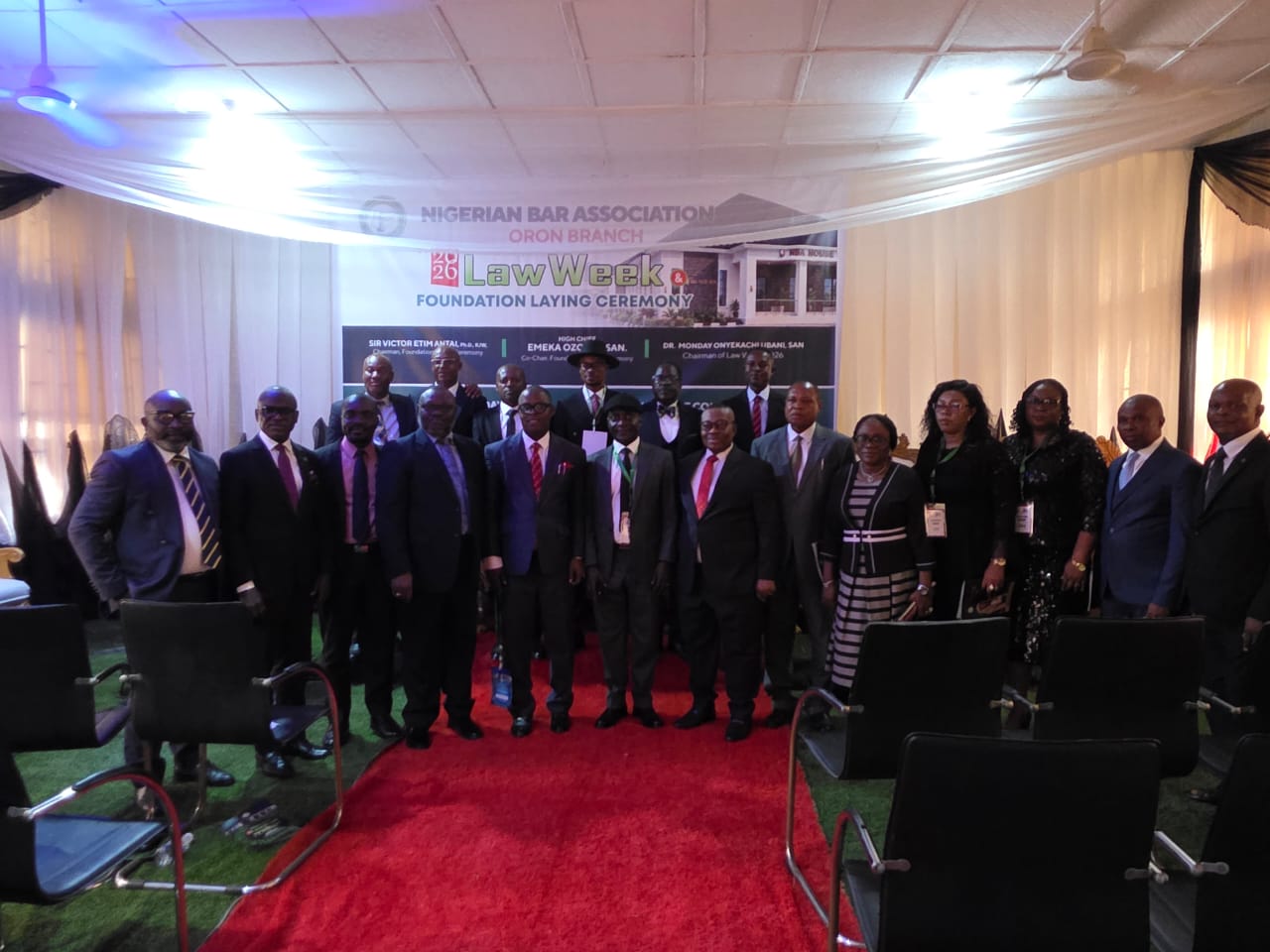
Ubani made the call while delivering the keynote address as Chairman of the Occasion at the Nigerian Bar Association (NBA), Oron Branch, Law Week, held under the theme, “Legal Administration and Legal Practice in a Secured Environment.” The event featured the foundation-laying ceremony for the proposed NBA Oron House, Bar Centre, marking a significant step towards strengthening the branch’s institutional capacity and professional development.
The senior lawyer explained that security in legal practice extends beyond physical protection to include freedom from threats, intimidation and unlawful interference, as well as the protection of confidential information, digital security and institutional safeguards.
He maintained that lawyers must be able to perform their professional duties without fear of retaliation, particularly when challenging unlawful conduct or representing clients whose interests may conflict with those of powerful individuals or institutions.

Describing the proposed NBA Oron House as more than a physical structure, Ubani said the Centre should become a lasting professional home where lawyers can exchange ideas, access continuing legal education, receive mentorship and collaborate on legal aid and public-interest initiatives.
He urged the branch to ensure that the facility is adequately equipped with functional meeting rooms, legal research resources, private consultation spaces, administrative offices, reliable utilities and appropriate security arrangements. He also emphasised accessibility for persons with disabilities and the need for a sustainable maintenance plan.
 Accountability, Transparency Essential to Project’s Success
Ubani stressed that the success of the Bar Centre would depend not only on the quality of its construction but also on the transparency, integrity and accountability of those responsible for its execution.
He called for proper documentation of financial contributions and expenditure, regular progress reports, professional procurement and construction standards, and a realistic completion and management plan.

He warned against allowing the facility to become the personal property of any administration or faction, insisting that it must remain an enduring institutional asset accessible to lawyers across generations and professional backgrounds.
Drawing on his experience in NBA leadership, including his service as Chairman of NBA Ikeja Branch, Second Vice-President of the Association and Chairman of NBA-SPIDEL, Ubani urged members to prioritise the collective interests of the legal profession above personal differences, electoral divisions and individual ambitions.
He observed that leadership tenures would eventually end, but institutions built on sound principles could serve generations to come.
Young Lawyers, Professional Development in Focus
The senior advocate also called for greater investment in young lawyers, noting that the proposed Centre should provide opportunities for mentorship, practical training, professional development and continuing legal education.
He identified the financial demands of establishing legal practice, technological changes, professional competition and the responsibility of maintaining ethical standards amid economic challenges as some of the difficulties confronting young practitioners.

According to him, a well-managed Bar Centre could help address these challenges, strengthen professional fellowship and prepare younger lawyers for greater responsibilities in the administration of justice.
Ubani further encouraged the NBA Oron Branch to use the facility as a platform for public service through legal awareness campaigns, pro bono services and constructive engagement on human rights, criminal justice reform, electoral integrity, constitutional governance and access to justice.
He emphasised that the credibility of the legal profession should not be measured solely by the respect lawyers command in courtrooms, but also by the confidence ordinary citizens repose in them.
Calls for Support Without Compromising Bar Independence
Ubani appealed to members of the Bench, government, traditional institutions, corporate organisations, business leaders, philanthropic individuals and other friends of the legal profession to support the project.
He, however, cautioned that partnerships and external support must not compromise the independence of the Bar or undermine its professional responsibilities.
Commending the leadership and members of NBA Oron Branch for initiating the project, he urged them to sustain the commitment and collective effort that had made the foundation-laying ceremony possible.
He said the true value of the completed Centre would not be determined merely by the beauty of its structure, but by the quality of lawyers it develops, the lives it touches and its contribution to justice and the rule of law.

Ubani expressed the hope that NBA Oron House would become a lasting symbol of professional excellence, institutional progress and service to humanity, built on the enduring foundations of unity, integrity, transparency and accountability.
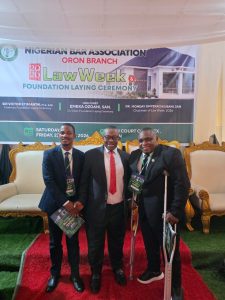 Dignitaries Grace NBA Oron Law Week
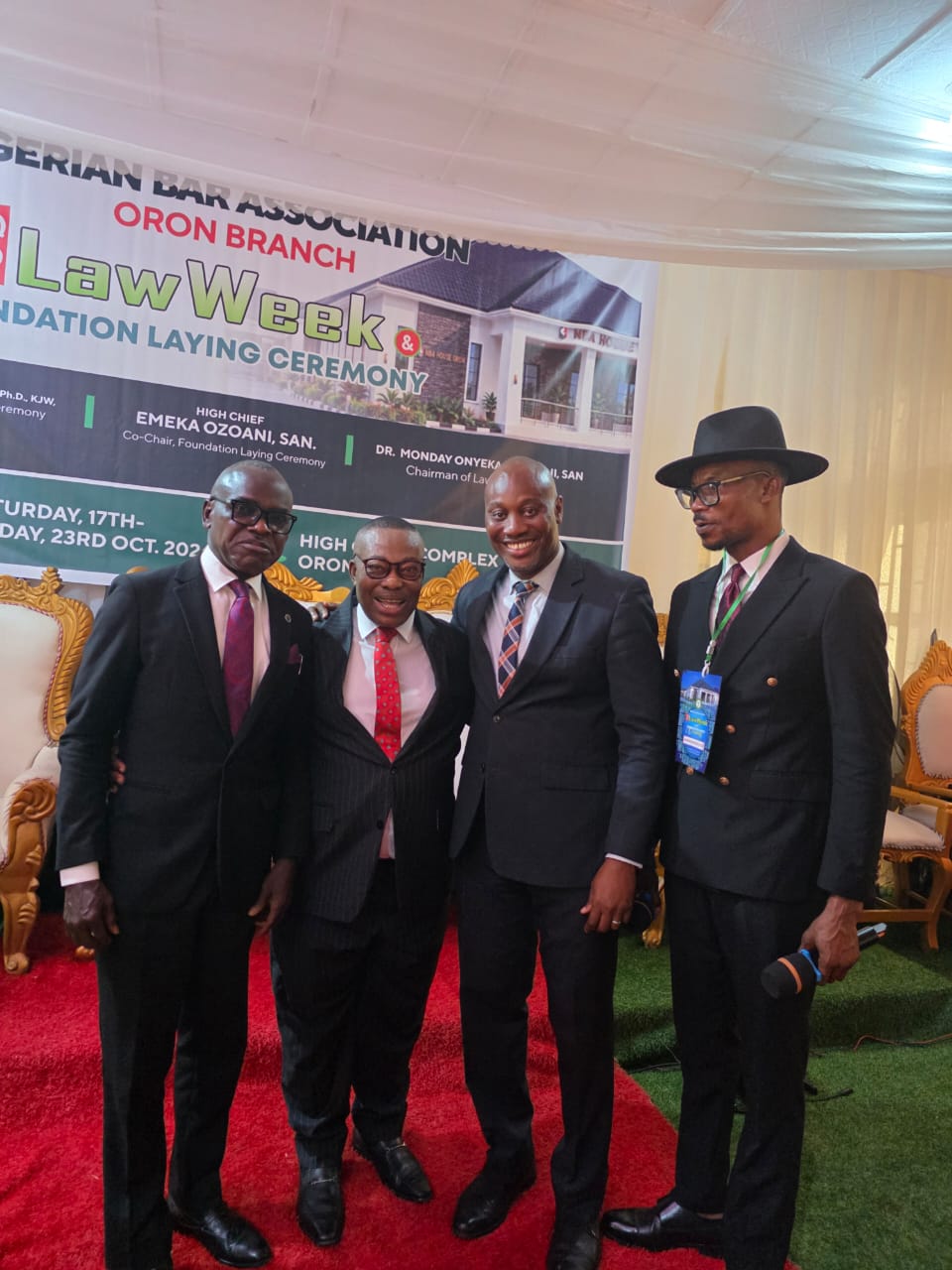
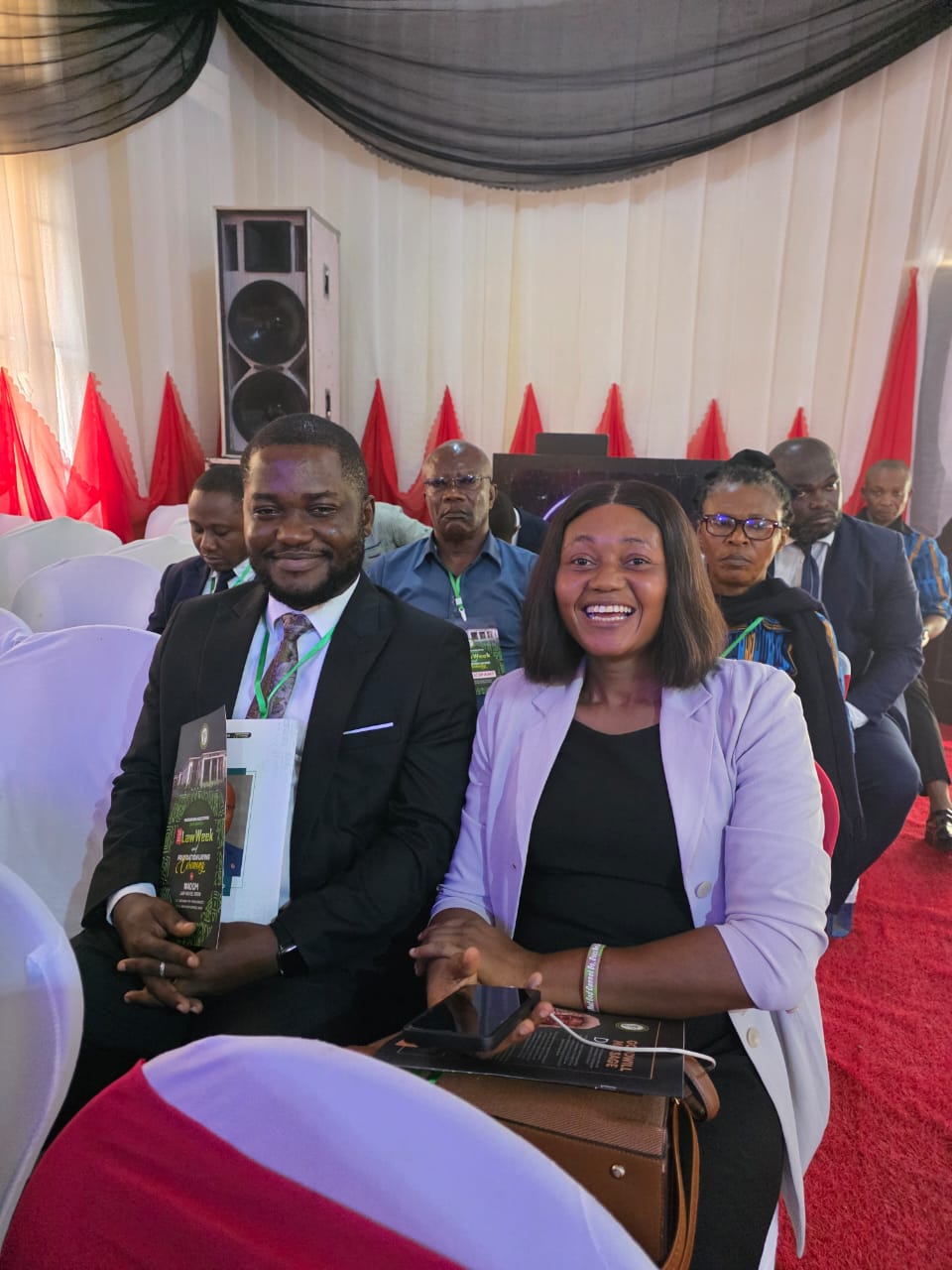
The annual event attracted prominent members of the judiciary and the legal profession, including the Chief Judge of Akwa Ibom State, Hon. Justice Ekaette F. Obot, who was represented by Hon. Justice Effiong Offiong of the State High Court.
The Attorney-General of Akwa Ibom State, Uko Udom, SAN, was also represented by a director in the State Ministry of Justice. Several judges, magistrates and Bar leaders from Eket, Uyo and Ikot Ekpene attended the occasion.
The NBA Oron Branch is chaired by Ikara O. Ikara, Esq., while Chief Godwin Effiong serves as Chairman of the Annual Law Week Planning Committee.
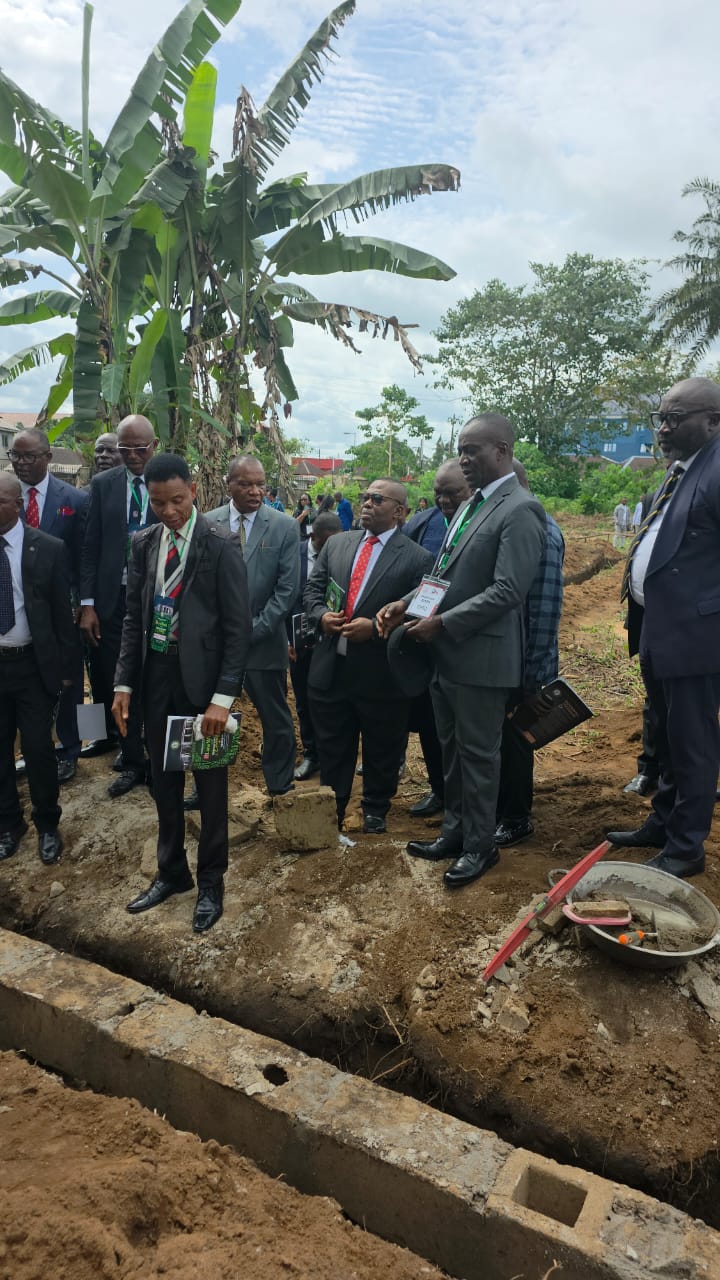
The highlight of the event was the foundation-laying ceremony for the proposed NBA Oron House, led by Hon. Justice Effiong Offiong on behalf of the Chief Judge, Hon. Justice Ekaette F. Obot.
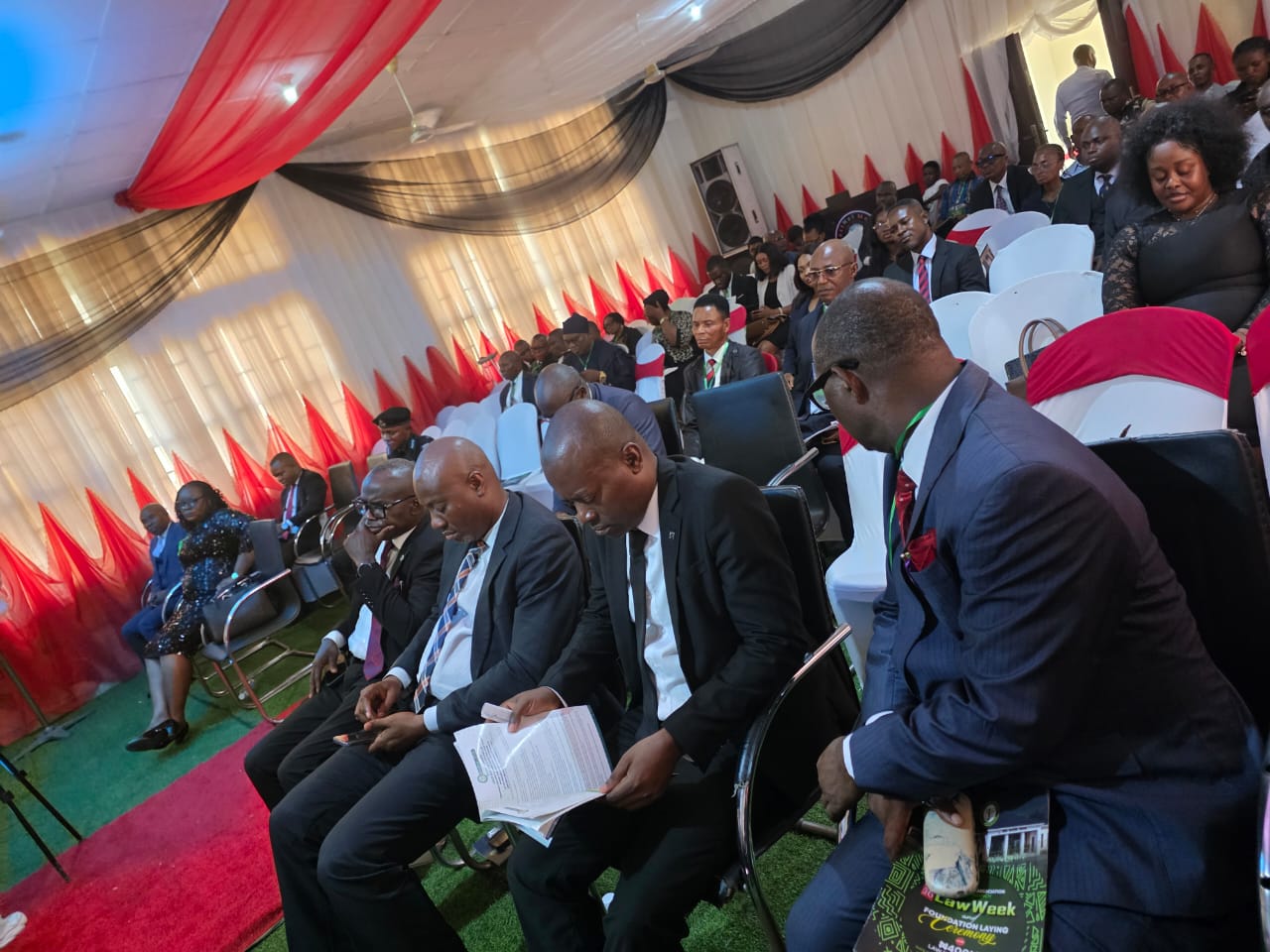
The ceremony was widely regarded as an important milestone in the branch’s drive to establish a permanent institutional facility that will strengthen professional interaction, support the development of lawyers and promote access to justice.
With the project now underway, the call by Ubani underscores the importance of ensuring that NBA Oron House becomes not merely a landmark building, but a centre of professional growth, ethical leadership, institutional accountability and public service.


ASCATIC CELEBRATES QUINTESSENTIAL LADY NANCY OGECHI PRECIOUS-CHINATU, Ph.D., ON HER BIRTHDAY

OTTIMANIA LEGACY MOVEMENT APPOINTS DR. MONDAY UBANI, SAN, TO KEY LEADERSHIP POSITIONS

OZIOMA RALLIES ADC OSISIOMA LEADERS FOR 2027, TASKS WARD EXECUTIVES ON GRASSROOTS MOBILISATION

Ahead of Convocation, PhD Graduands Defeat Master’s Counterparts in Friendly Football Match

HRH EZE CHARLES UKATTAH DEFENDS GOVERNOR OTTI, DESCRIBES MEDIA EXCHANGE AS MISUNDERSTANDING

WHEN LEADERSHIP IS WORKING, SYMBOLISM SHOULD NEVER BE ALLOWED TO OVERSHADOW SUBSTANCE. – HON STANLEY NWABUISI
-
 METRO3 months ago
Ahead of Convocation, PhD Graduands Defeat Master’s Counterparts in Friendly Football Match
-
 NEWS8 months ago
HRH EZE CHARLES UKATTAH DEFENDS GOVERNOR OTTI, DESCRIBES MEDIA EXCHANGE AS MISUNDERSTANDING
-
 POLITICS9 months ago
WHEN LEADERSHIP IS WORKING, SYMBOLISM SHOULD NEVER BE ALLOWED TO OVERSHADOW SUBSTANCE. – HON STANLEY NWABUISI
-

 NEWS8 months ago
HRH EZE SIR CHARLES ONORCHIE UKATTAH COMMENDS GOVERNOR ALEX OTTI’S PERFORMANCE, BACKS 2027 RE-ELECTION
-

 ENTERTAINMENT9 months ago
RADIO SHOUT-OUT STEALS HEART: RUBYBILLIONS CELEBRATES MARYFIAT NWANOSIKE’S BIRTHDAY IN STYLE
-

 NEWS5 months ago
Gracelyn Oko Celebrates Mothers, Describes Them as Builders of Destinies and Guardians of Godly Values
-

 NEWS5 months ago
Opotoyom, Ugoeze Emerge Winners of NDC Senate and House of Representatives Primaries in Abia
-

 NEWS8 months ago
ABIA MUST REMAIN NIGERIA’S NEATEST STATE — CATECHIST AMBROSE