
AGRICULTURE
ABIA STATE HOUSE OF ASSEMBLY TAKES DELIVERY OF FARM INPUTS FOR CONSTITUENCY DISTRIBUTION


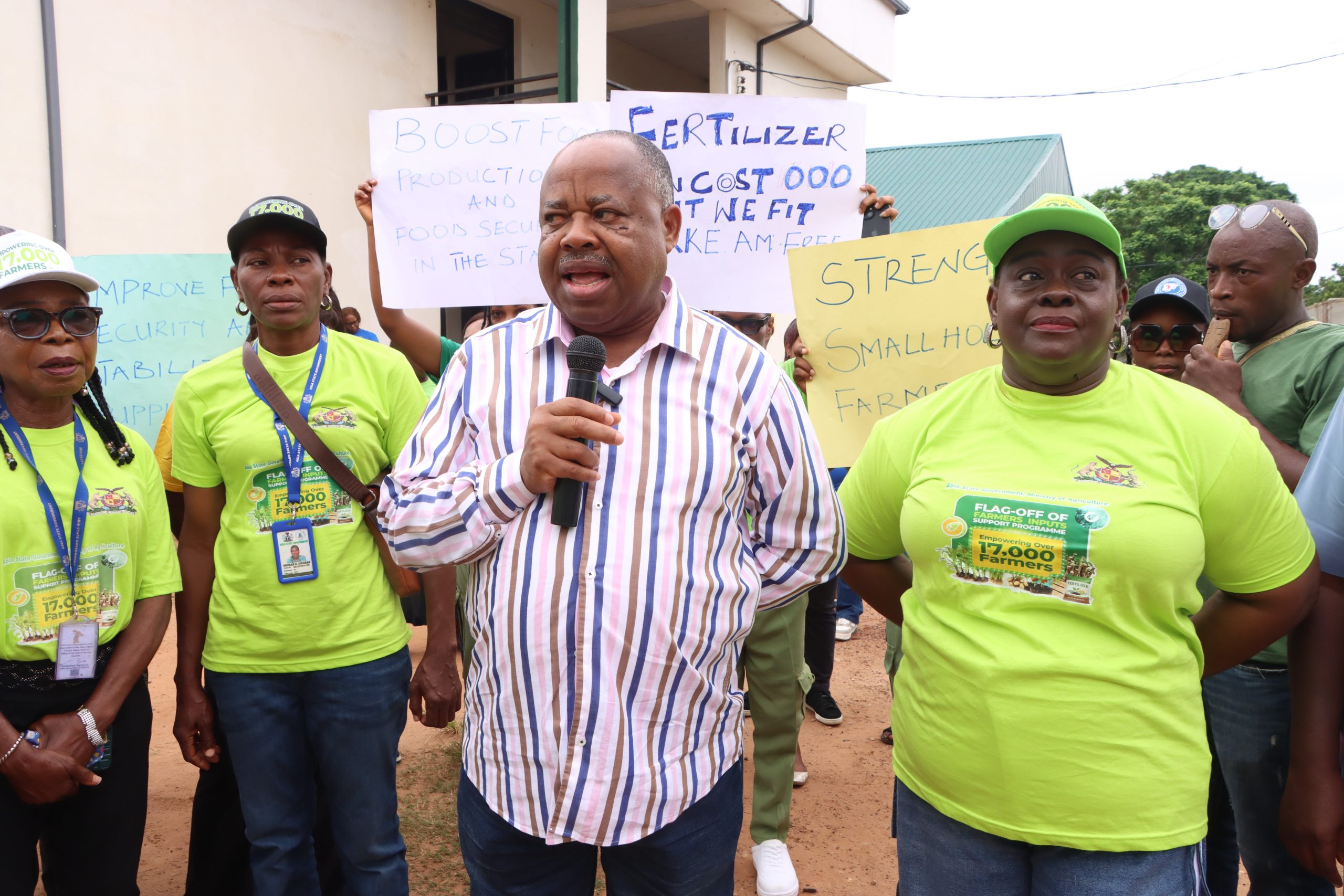
The Abia State Ministry of Agriculture handed over farm inputs to Honourable Members of the Abia State House of Assembly for onward distribution to profiled farmers across their respective constituencies.
Speaking during the handover exercise, the Honourable Commissioner for Agriculture, Dr. Cliff Agbaeze, FCIB, stated that the exercise is part of the State Government’s ongoing Farmers’ Inputs Support Programme, aimed at improving Agricultural productivity, empowering farmers, and strengthening food security across Abia State.
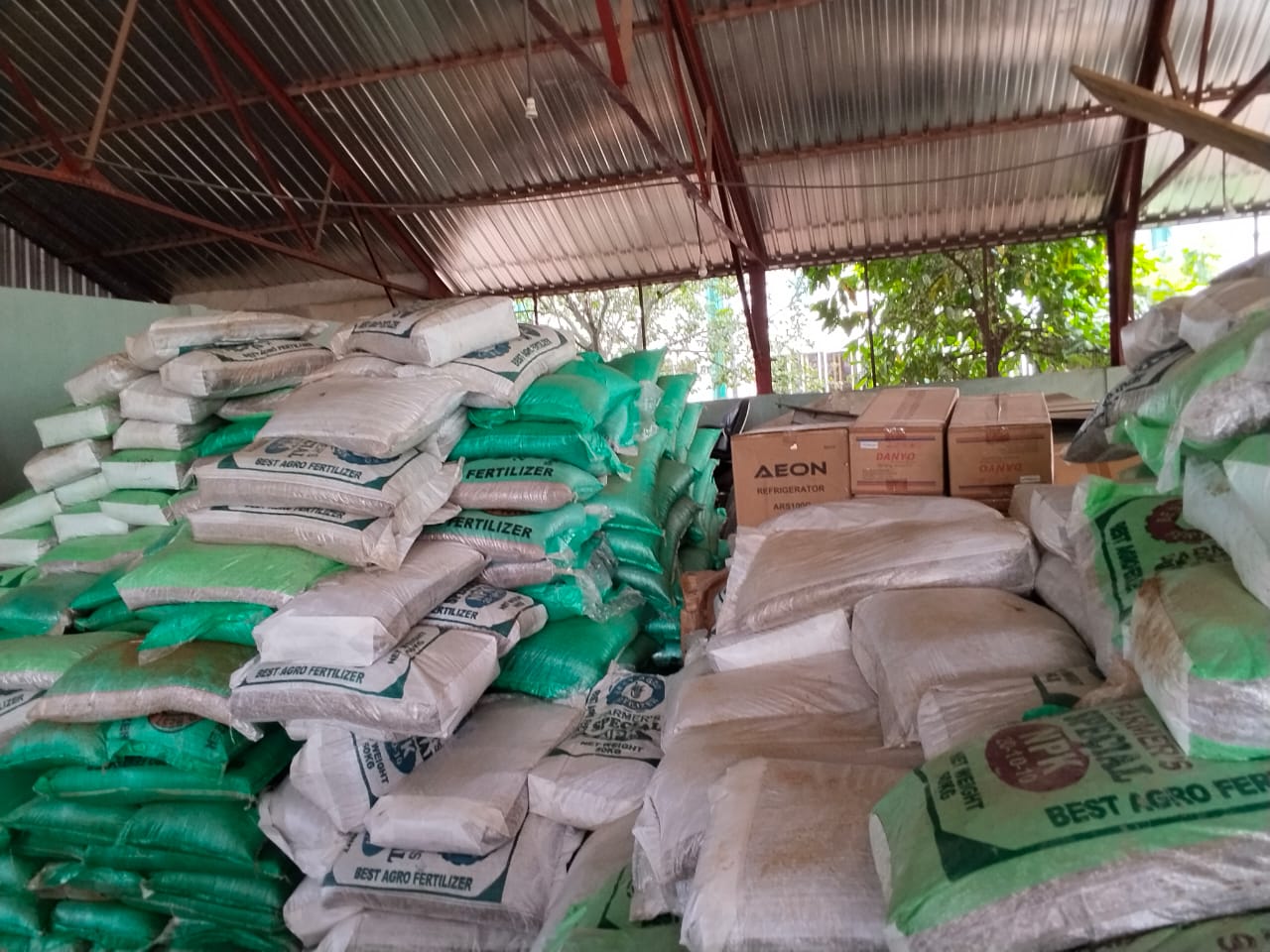
The Commissioner recalled that the first phase of the programme was successfully flagged off on July 10, 2026, with 3,312 farmers across the 184 wards benefiting from the intervention.
He explained that the current exercise represents Phase Two and a continuation of the Farmers’ Inputs Support Programme, targeting an additional 15,322 farmers across the State.

Dr. Agbaeze further stated that, under the current phase, 615 profiled farmers will be reached through the Honourable Members of the Abia State House of Assembly. He noted that the identified farmers have already been contacted directly to facilitate necessary follow-up and ensure effective delivery of the inputs.
The inputs, comprising improved seedlings, fertilizers, and agrochemicals, are part of the Agricultural Intervention Programme of His Excellency, Dr. Alex C. Otti, OFR, aimed at boosting food production, supporting smallholder farmers, and strengthening food security across the State.
The Commissioner emphasized that the intervention is data-driven and targeted, with beneficiaries selected from the Ministry’s Farmers’ Database to ensure that genuine and profiled farmers receive the support.
The Ministry is also distributing farm inputs to the various 17 Local Government Areas (LGAs) through their respective Mayors as part of the ongoing intervention. Umuahia North and Bende LGAs have already taken delivery of the farm inputs following the commencement of the LGA-level distribution last week.
The distribution exercise will continue progressively until all 17 LGAs are covered, ensuring that farmers across the State benefit from the intervention.
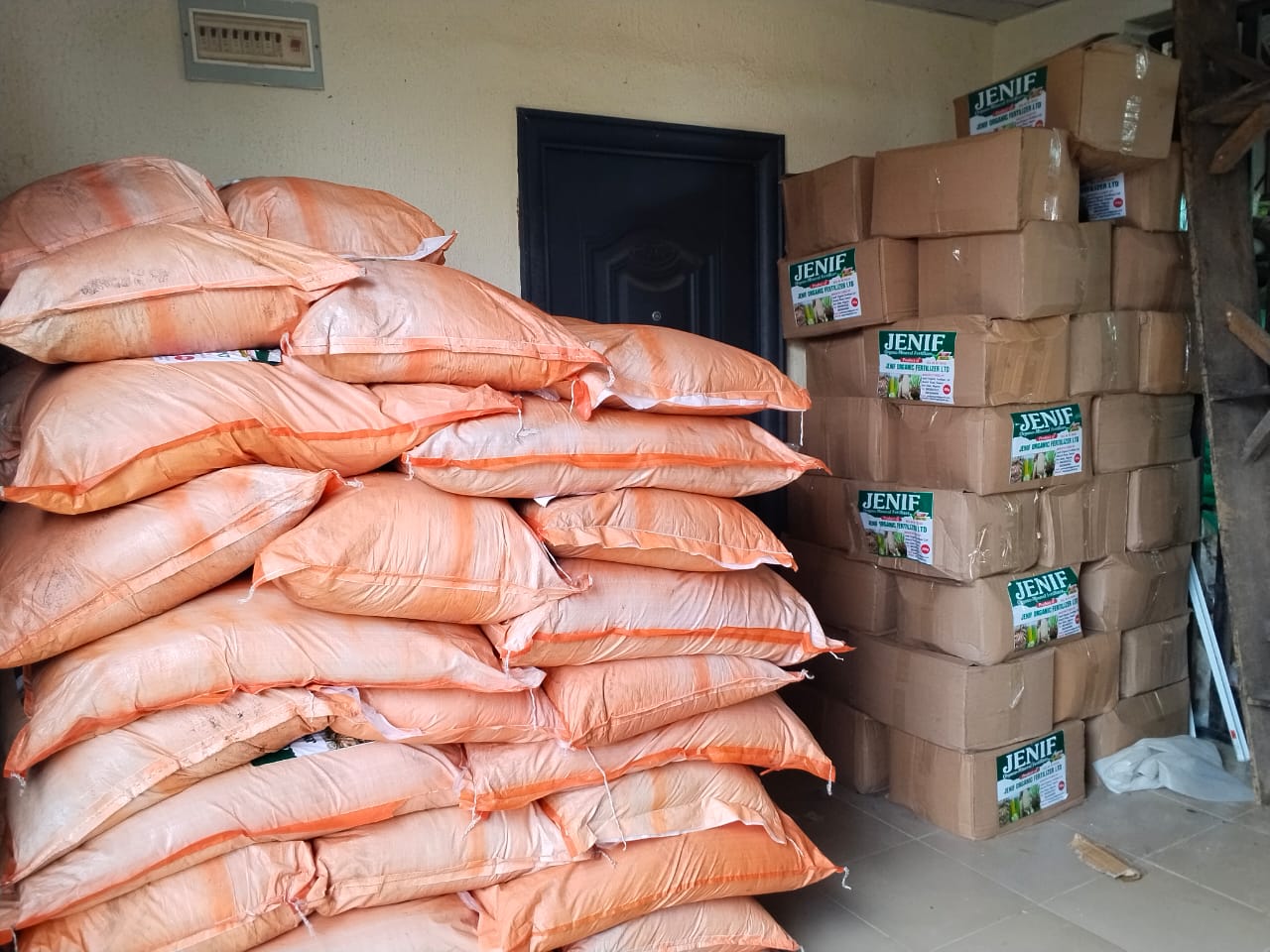
As part of efforts to ensure that the desired outcomes of the programme are achieved, the Ministry is collaborating with the Michael Okpara University of Agriculture, Umudike (MOUAU), through its Agricultural Business Incubation Centre (ABIC), for the provision of training, capacity building, extension services, and hands-on monitoring of the beneficiaries.
Speaking on the capacity-building and monitoring component of the programme, the Director of MOUAU ABIC, Dr. Oteh, explained that the collaboration is designed to equip beneficiaries with the requisite knowledge and practical skills to effectively utilize the farm inputs and improve their productivity.
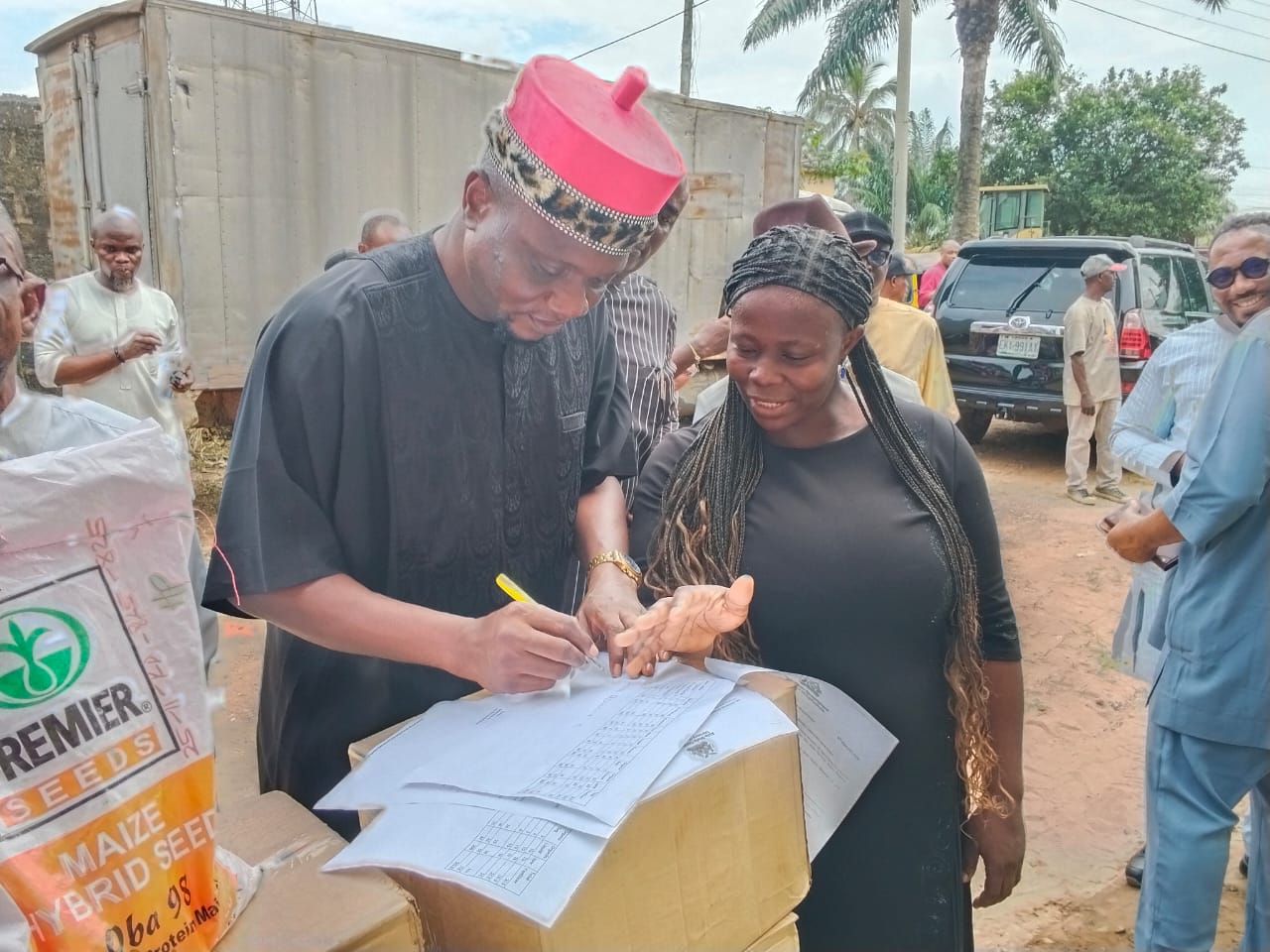
He emphasized that the extension and hands-on monitoring component will enable the implementing partners to track the progress of beneficiaries, provide technical guidance, identify challenges early, and ensure that the intended objectives of the intervention are achieved.
Speaking on behalf of the House, the Chairman, House Committee on Agriculture, Hon. Dennis Rowland Chinwendu, commended the administration of Governor Alex C. Otti for the initiative and pledged the commitment of the lawmakers to ensuring that the inputs reach the intended beneficiaries.
He stated that the lawmakers would work closely with Traditional Rulers, Ward Leaders, and Extension Agents to promote transparency and ensure effective implementation of the programme.
The Abia State Government remains committed to a data-driven, transparent, inclusive, and sustainable Agricultural programme that empowers farmers, increases food production, creates economic opportunities, and strengthens food security across the State.
Signed:
Oluchi Franklin-Oji
Public Relations Officer
Abia State Ministry of Agriculture
11th August, 2026
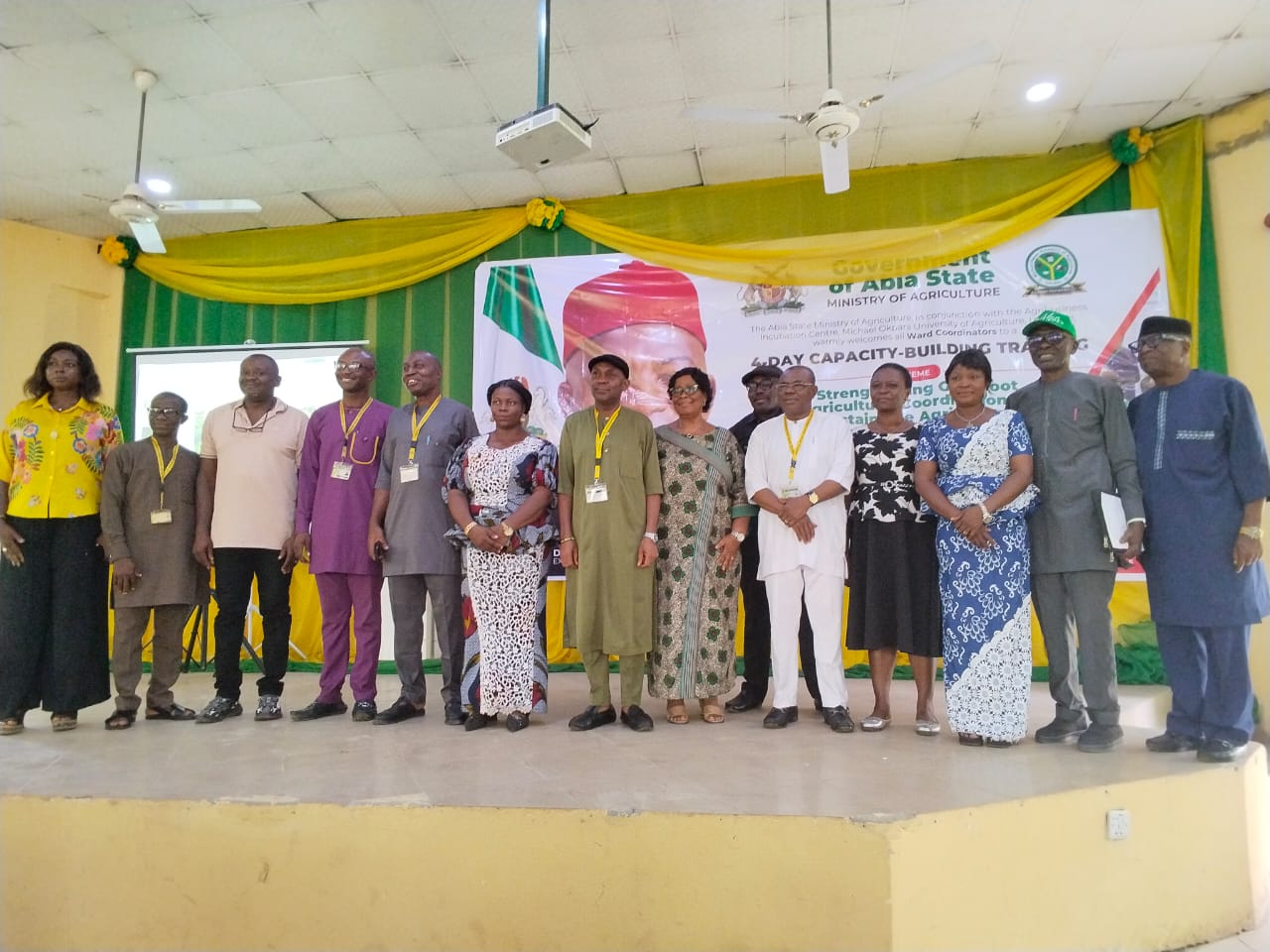
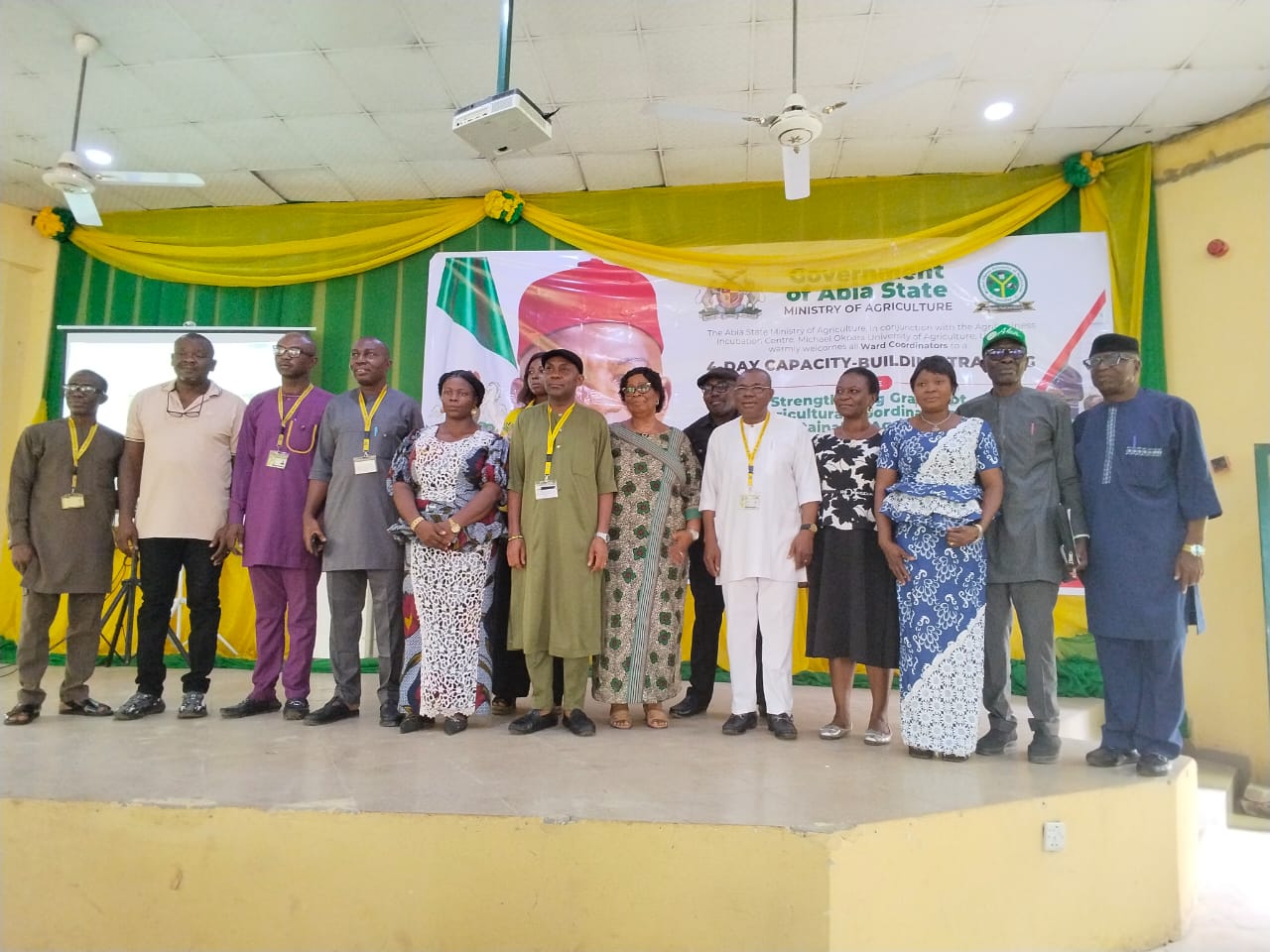
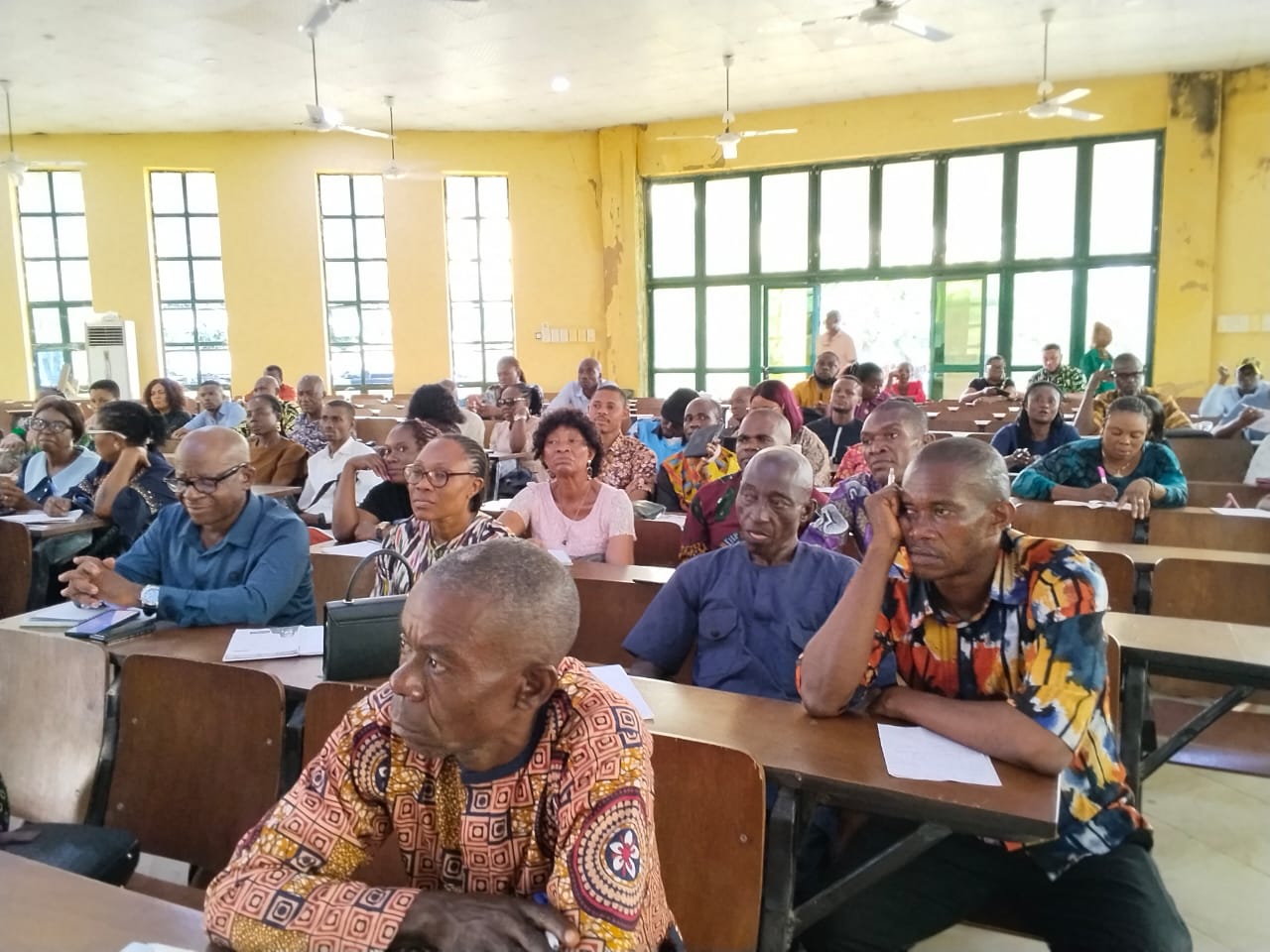
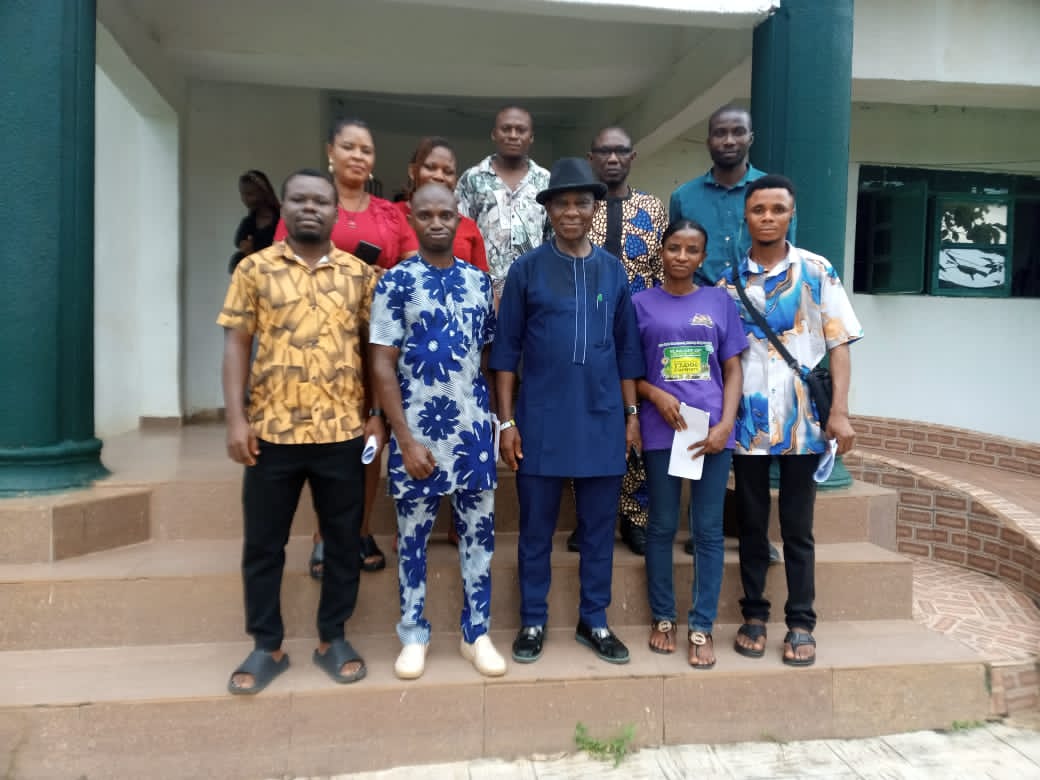
The Abia State Ministry of Agriculture, in collaboration with the Agricultural Business Incubation Centre (ABIC) of Michael Okpara University of Agriculture, Umudike (MOUAU), has commenced a four-day capacity-building training for Ward Agricultural Coordinators and extension personnel across the state.
The training, which began on Tuesday, October 6, 2026, and ends on Friday, October 9, is aimed at strengthening grassroots agricultural coordination and equipping participants with modern knowledge and practical skills to effectively support farmers and monitor agricultural activities across the state.
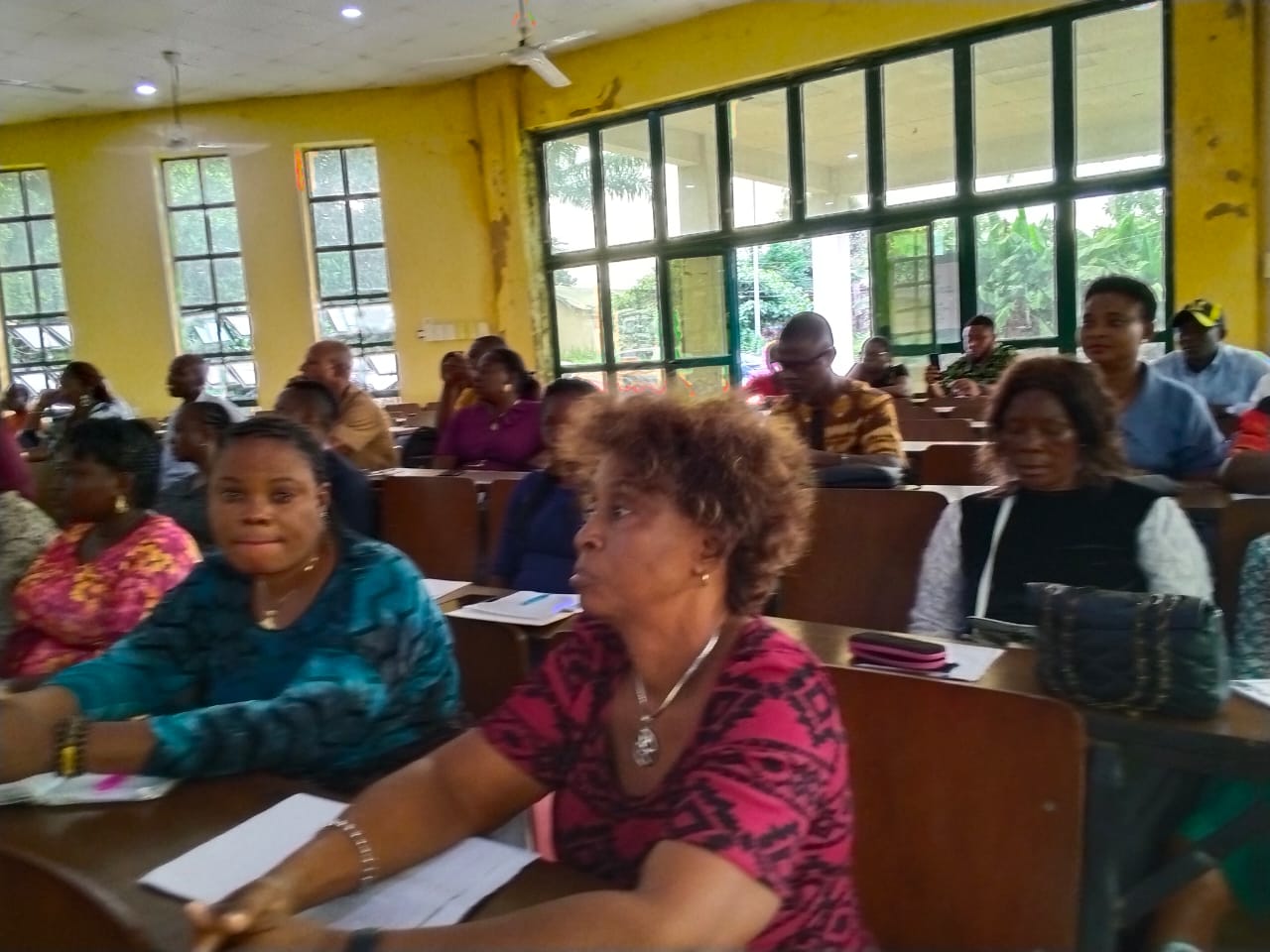
Held under the theme, “Strengthening Grassroots Agricultural Coordination for Sustainable Agricultural Development,” the programme focuses on the responsibilities of Ward Agricultural Coordinators, modern farming techniques, pest and disease management, improved crop production, agricultural waste management, value addition and sustainable agribusiness opportunities.
Declaring the training open on behalf of the Commissioner for Agriculture, Dr. Cliff Agbaeze, FCIB, the Acting Head of the Epidemiology Department in the Ministry, Dr. Stephanie Ariwodo, described the programme as both a privilege and a responsibility.
She urged participants to take the training seriously and acquire practical knowledge that would enable them to deliver measurable results at the grassroots.
According to the Commissioner, the initiative is part of the agricultural transformation agenda of Governor Alex C. Otti’s administration, particularly the commitment to ensuring that government interventions in agriculture translate into tangible benefits for farmers.
He said Ward Agricultural Coordinators have a critical role in monitoring beneficiaries of the State Government’s Farmers’ Inputs Support Programme, verifying the distribution and utilisation of farm inputs, identifying challenges confronting farmers and providing timely feedback to the Ministry.
The Vice Chancellor of MOUAU, Prof. Ursula Ngozi Akanwa, represented by the Deputy Vice Chancellor, Research and Development, Prof. Princewill Chukwudo, described the training as timely and strategic to the agricultural development agenda of Abia State.
She identified declining soil fertility, rising input costs, climate variability, inadequate extension services, limited mechanisation and poor market linkages among the challenges confronting the agricultural sector.
Prof. Akanwa stressed the importance of sustainable approaches, including organic agriculture, integrated soil fertility management, biological pest control and climate-smart agriculture, noting that Ward Agricultural Coordinators are frontline partners in driving agricultural development.
The training features lectures and practical sessions facilitated by experts from MOUAU-ABIC and the Ministry. Topics include the role of Ward Coordinators in agricultural development, the business of farming, conversion of agricultural waste to organic fertiliser, crop improvement and pest management, improved cassava production, maize and plantain cultivation, value addition, agricultural processing and sustainable agribusiness.
Speaking on the impact of the programme, one of the participants described the training as highly enlightening, saying it had improved her understanding of smart agriculture, climate preservation, waste-to-wealth initiatives, organic fertiliser production and modern approaches to pest management.
She said the knowledge acquired would be taken to grassroots farmers to improve food production and contribute to the state’s food-security objectives.
Another participant highlighted the session on cassava production, noting that despite Nigeria’s leading position in cassava production, productivity per hectare remains a major challenge.
He said the training had exposed participants to improved methods of soil and site selection, planting, crop management and processing, which they could transfer to farmers to increase yields and move them from subsistence farming to more profitable agricultural businesses.
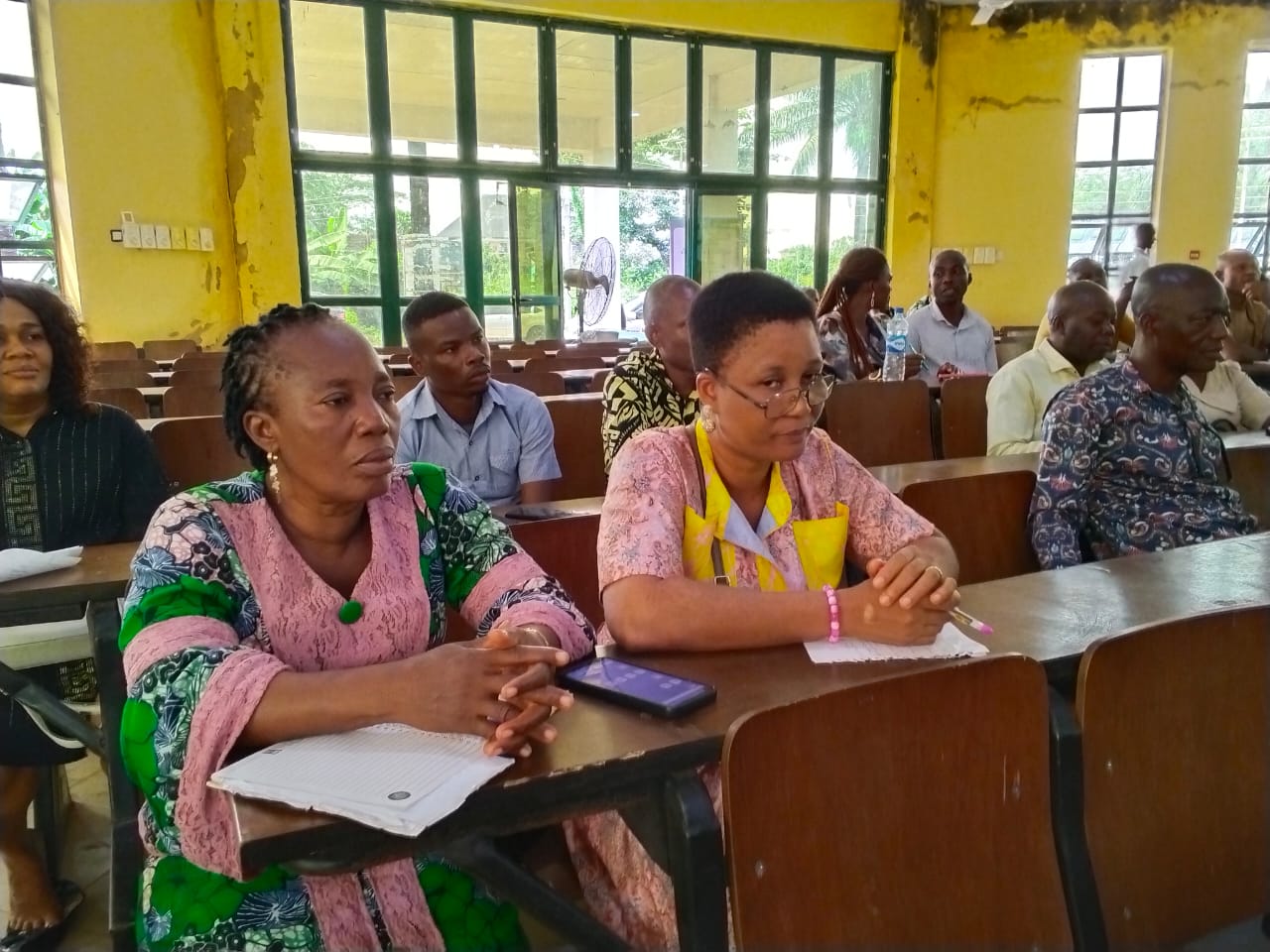
Participants also commended the resource persons for sharing their expertise and practical experiences, describing the facilitators as knowledgeable professionals who were committed to imparting skills that could produce real changes in the agricultural sector.
The collaboration between the Ministry of Agriculture and MOUAU-ABIC is expected to strengthen extension services across Abia’s 17 Local Government Areas, improve farmers’ access to technical support, reduce post-harvest losses and increase productivity.
The initiative also reinforces the administration’s broader objective of transforming agriculture from subsistence farming into a sustainable and profitable business capable of improving livelihoods, creating wealth and strengthening food security across Abia State.
Among the resource persons are Prof. Manasor Jude, Prof. Ifeoma onwuka, Prof. Nwofia Emeka, Dr. Benjamin Okoye, Dr. Aniedi C., Prof. Kelechi Igwe and Prof Greg Onwuka, Director of the Centre for Excellence in Root Crops Research and Development.
AGRICULTURE
ABIA MOVES BEYOND INPUT DISTRIBUTION AS OTTI ADMINISTRATION LAUNCHES FARM-TO-HARVEST STRATEGY

15,322 Farmers Targeted as Government Deepens Agricultural Monitoring Across 17 LGAs
The Abia State Government has taken a major step towards repositioning agriculture as a productive and commercially viable sector of the state’s economy, with the introduction of an intensive farm to harvest monitoring strategy for beneficiaries of its Phase Two Farm Inputs Distribution Programme.
The initiative, according to the Commissioner for Agriculture, Dr. Cliff Agbaeze, FCIB, represents a deliberate shift from simply distributing agricultural inputs to actively following farmers through the entire production cycle to ensure that government interventions produce measurable results.
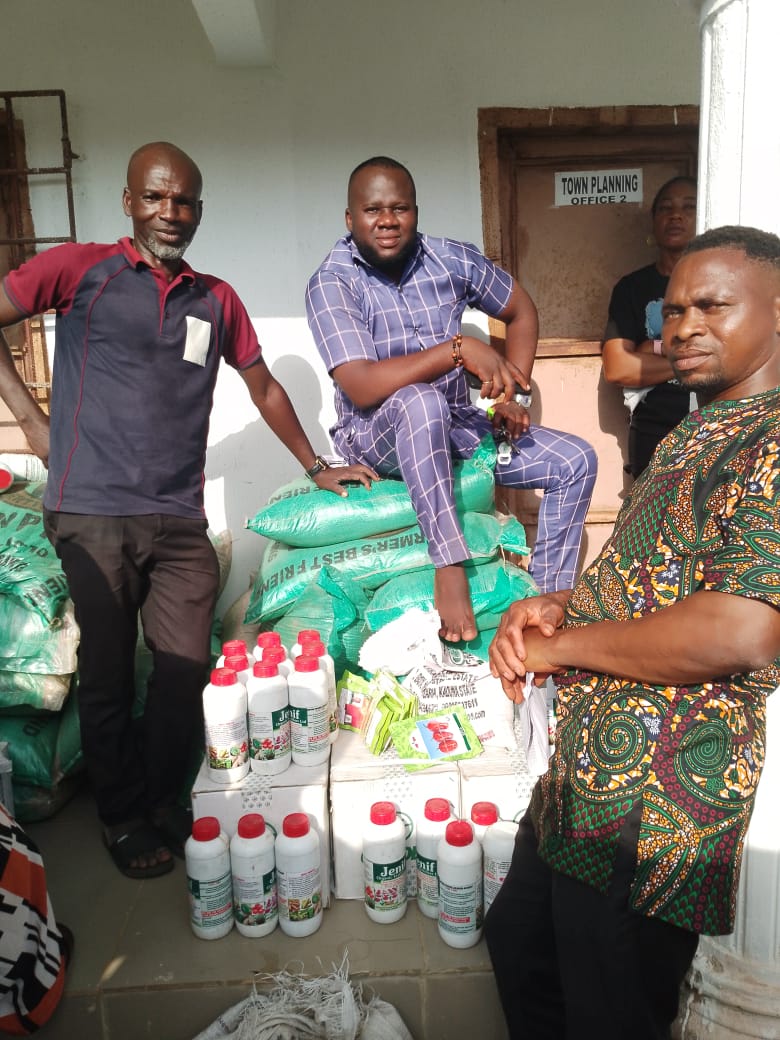
Speaking with journalists in his office in Umuahia on Tuesday, the Commissioner said the government was determined to ensure that improved seedlings, fertilizers and agrochemicals provided to farmers were not only distributed but properly applied to boost agricultural productivity.
Dr. Agbaeze disclosed that 15,322 additional farmers are being targeted under Phase Two of the intervention, building on the first phase which benefited 3,312 farmers.
The scale of the second phase underscores the administration’s expanding focus on agriculture and its potential contribution to food security, rural development and economic empowerment.
Unlike a system where government interventions may end once inputs reach beneficiaries, the new farm to harvest approach places greater emphasis on what happens afterwards.
Farmers are expected to receive continued monitoring and technical guidance as they progress from planting through cultivation and ultimately to harvest.
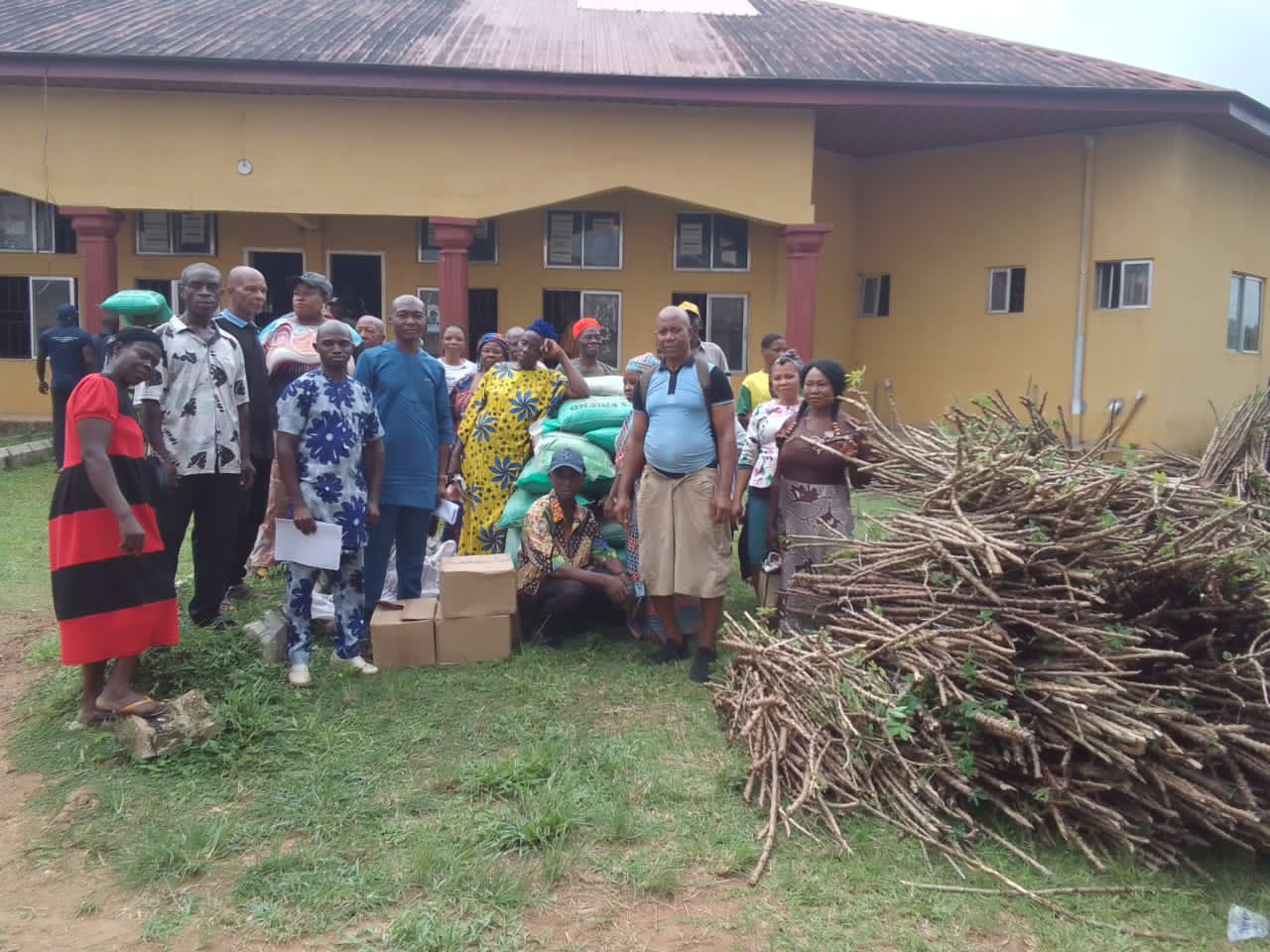
As part of the strategy, agricultural officers are visiting beneficiary farms across the state’s 17 Local Government Areas to monitor the use of the inputs and assess farmers’ progress.
The monitoring exercise is being conducted in collaboration with the Michael Okpara University of Agriculture, Umudike Agribusiness Incubation Centre (MOUAU-ABIC).
The partnership is expected to strengthen the technical component of the intervention by ensuring that farmers receive appropriate agricultural guidance while government officials obtain firsthand information about conditions on the ground.
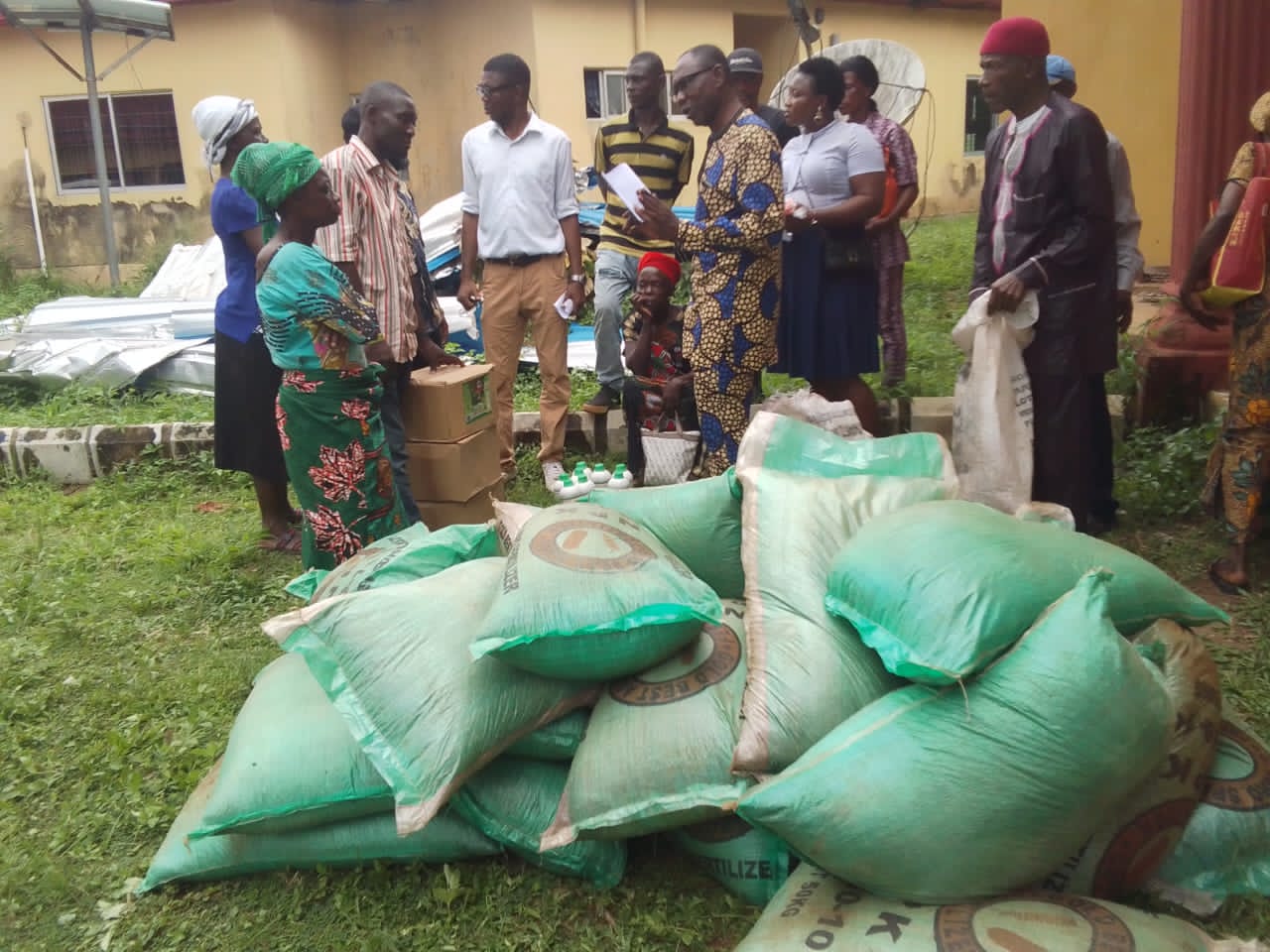
The Commissioner said the exercise would enable the Ministry to identify difficulties confronting farmers early enough and deploy the appropriate extension support before such challenges significantly affect production.
At the heart of the initiative is an effort to strengthen accountability in the management of public resources committed to agriculture.
Dr. Agbaeze stressed that the intervention is targeted at genuine farmers whose details have been captured in the government’s agricultural database.
The database-driven approach, he said, is intended to improve transparency and ensure that government support reaches the intended beneficiaries.

For the Abia Government, therefore, the success of the programme will not simply be measured by the number of bags of fertilizer, seedlings or agrochemicals distributed. It will increasingly be measured by what happens on the farms, the level of utilization, crop performance, challenges encountered and, ultimately, the harvest generated.
This represents an important change in the way agricultural intervention is being approached.
The farm to harvest strategy comes at a time when agriculture remains central to conversations around food security, employment creation, rural development and economic diversification.
For a state with a large population of farmers and extensive agricultural communities, the ability to translate government support into sustainable production could have implications beyond individual beneficiaries.
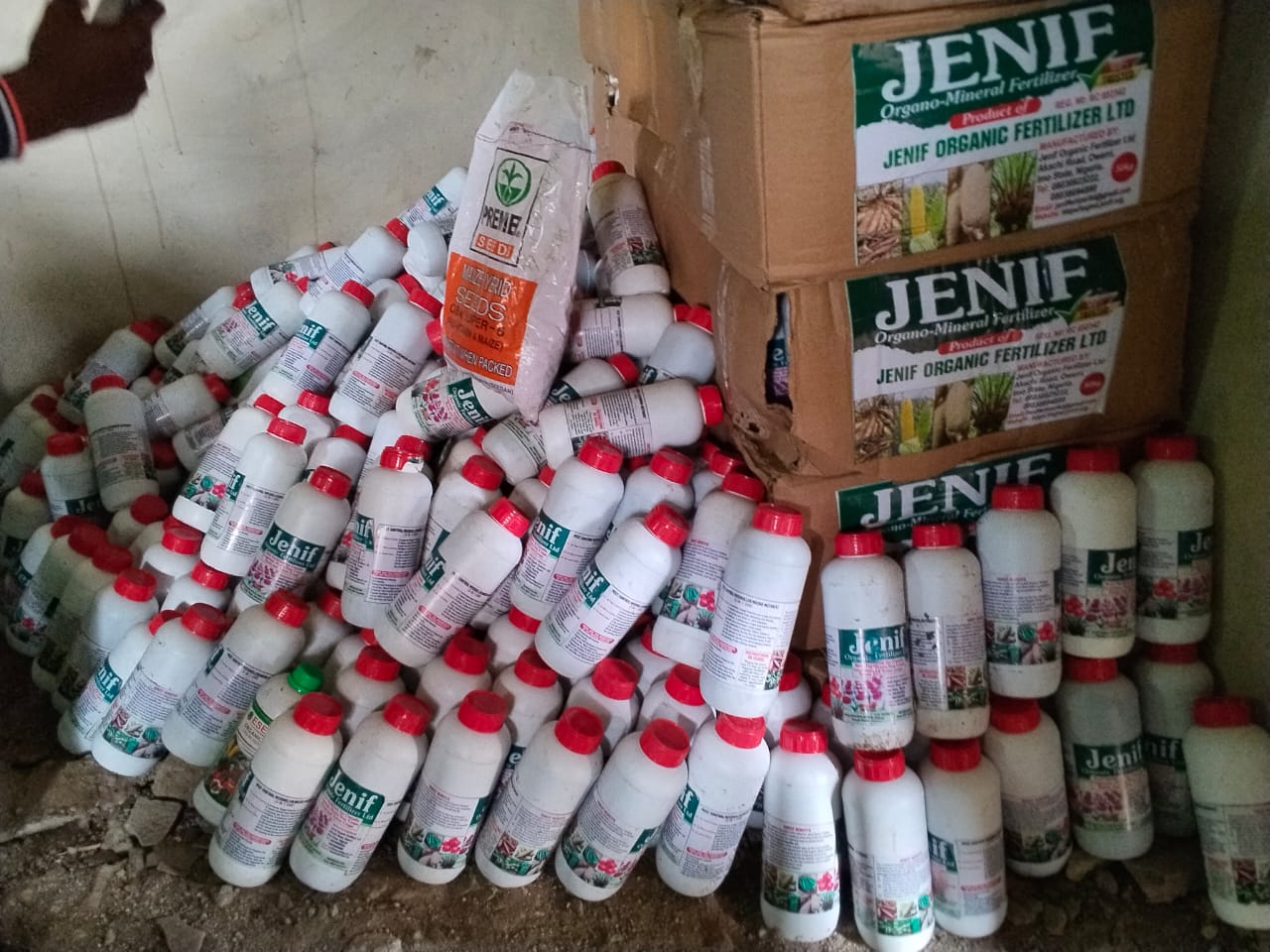
Higher productivity could strengthen household incomes, improve food availability and create opportunities across the agricultural value chain, including processing, transportation, storage and marketing.
It is against this backdrop that the administration of Governor Alex C. Otti, OFR, is presenting the intervention as part of its broader effort to transform agriculture from predominantly subsistence activity into a modern and commercially oriented agribusiness sector.
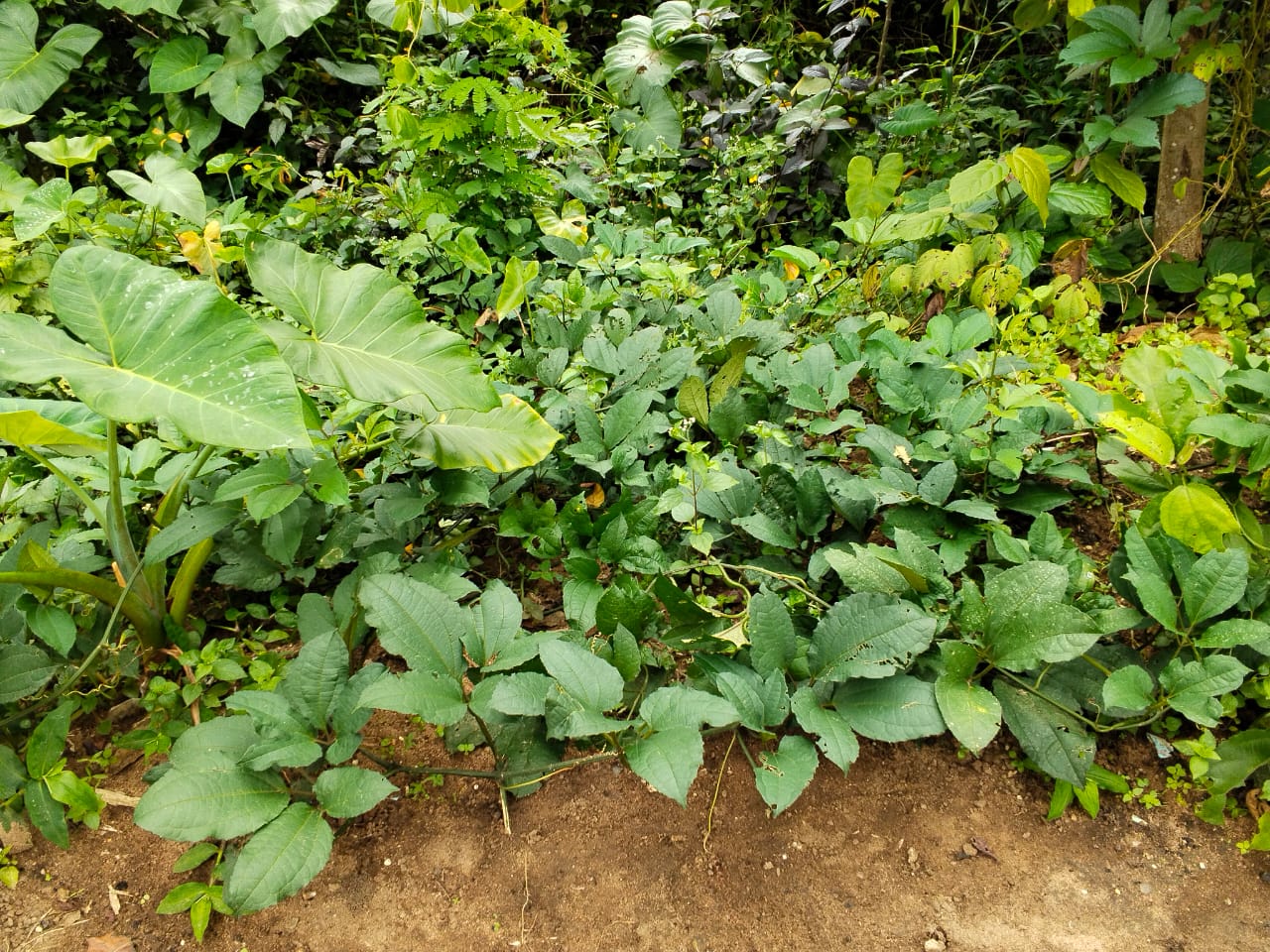
While the distribution of agricultural inputs often attracts public attention, the real test of any intervention lies in whether farmers are able to convert those inputs into successful production.
That is precisely where the farm to harvest model could become significant.
By maintaining contact with farmers beyond the point of distribution, the government would be able to better understand the practical realities confronting them and respond to emerging challenges.
It also creates an avenue for the Ministry to assess whether public investment is generating the intended agricultural and economic outcomes.
For farmers, the message from the Ministry is clear, government support is not designed as a one-off intervention.
According to Dr. Agbaeze, “Government support does not end with the distribution of inputs; it follows the farmer from the farm to harvest.”
That principle could become one of the defining features of Abia’s current agricultural intervention moving the conversation from how much government distributes to how much farmers produce.

Politically, the agricultural initiative also gives the Otti administration an opportunity to demonstrate its development philosophy through tangible outcomes at the grassroots.
Agriculture is one sector where government policies can be directly experienced by citizens particularly farmers in rural communities.
If successfully implemented, the farm to harvest programme could provide the administration with measurable indicators of progress: increased yields, improved farmer incomes, stronger food production and greater participation in commercial agriculture.
But beyond political narratives and government statistics, the ultimate beneficiaries are expected to be the farmers themselves.
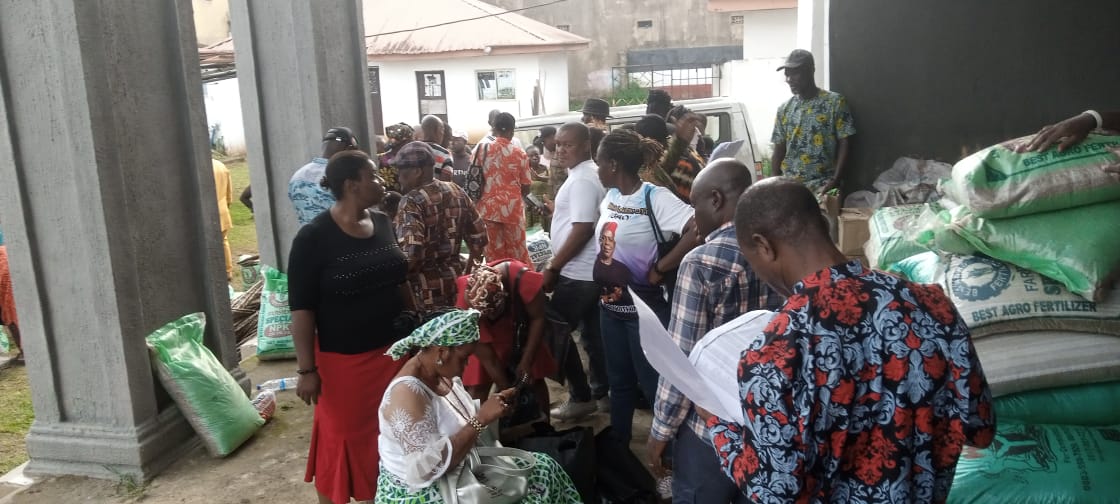
The effectiveness of the programme will therefore depend on sustained monitoring, timely technical assistance, proper documentation, transparency in beneficiary selection and the ability to address the challenges farmers encounter throughout the production cycle.
With 15,322 farmers now targeted in Phase Two, the scale of the assignment is substantial.
For Abia’s agricultural sector, the expectation is equally substantial that government intervention will move from the warehouse and distribution points to the farms, and from the farms ultimately to the harvest.

In Abia’s emerging agricultural strategy, the new benchmark is no longer simply input distribution. The benchmark is productivity and the harvest will tell the story.
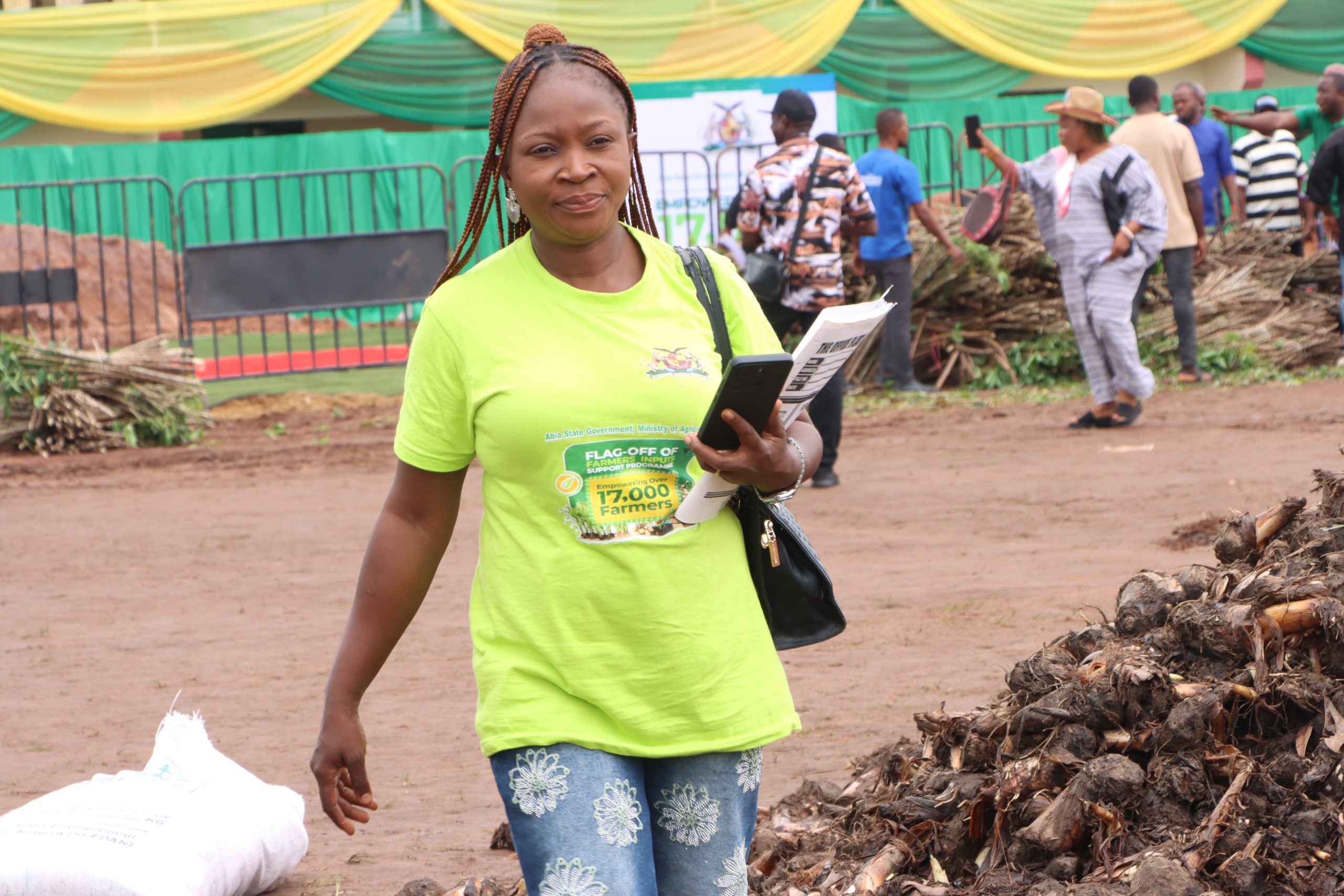
The Abia State Government has reaffirmed its commitment to the welfare and empowerment of youths who participated in the Agricultural Training Programme in Osun State, dismissing insinuations in some quarters that the beneficiaries have been abandoned.
The Honourable Commissioner of Agriculture, Dr. Cliff Agbaeze, FCIB, gave the clarification while reacting to reports circulating on social media regarding the status of the trainees.
Dr. Agbaeze stated that the initiative was conceived by the administration of Alex Otti as part of its broader strategy to equip Abia youths with practical Agricultural and entrepreneurial skills capable of promoting food security, self-reliance, job creation, and economic growth.
According to the Commissioner, the State Government is currently putting in place the necessary framework to ensure that the beneficiaries are effectively integrated into the administration’s ongoing agricultural and youth empowerment programmes in a sustainable and impactful manner.
He recalled that in 2024, the State Government trained over 300 Abia youths at CSS Farms in Nasarawa State and subsequently supported them with empowerment packages of up to N2.3 million each to establish agricultural enterprises. He noted that many of the beneficiaries are presently thriving in their various Agricultural ventures.
The Commissioner further disclosed that under the LIFE-ND Programme, the State Government has trained and empowered more than 4,000 youth incubatees across different Agricultural value chains. He added that barely three weeks ago, another batch of 276 youth incubatees graduated and received initial working capital support of about N500,000 each.
Dr. Agbaeze emphasized that the empowerment of the 28 youths trained in Osun remains part of the government’s overall Agricultural development and youth empowerment agenda, stressing that the administration is committed to integrating them into a more structured and sustainable framework rather than handling the initiative in isolation.
He noted that some of the affected trainees had personally reached out to him, either through visits or phone calls, to seek clarification on the matter, adding that they were duly assured that the government has not abandoned them and remains committed to addressing their concerns.
While appealing to the beneficiaries to remain patient as the necessary processes are being concluded, the Commissioner cautioned youths against allowing themselves to be used as instruments of political propaganda by desperate and unscrupulous elements.
Dr. Agbaeze reiterated that the administration of Governor Alex Otti remains resolute in fulfilling its promises to the people of Abia State, particularly in the area of youth empowerment and Agricultural transformation.
Signed:
Oluchi Franklin-Oji
Public Relations Officer
Ministry of Agriculture
Abia State


OZIOMA RALLIES ADC OSISIOMA LEADERS FOR 2027, TASKS WARD EXECUTIVES ON GRASSROOTS MOBILISATION

UBANI SAN CHARGES NBA ORON ON ACCOUNTABILITY, SECURITY AND PROFESSIONAL EXCELLENCE AS BAR CENTRE PROJECT TAKES OFF

OZIOMA 2027: ONYEOBIA STRENGTHENS GRASSROOTS SUPPORT IN OBINGWA, ENGAGES NDA MEMBERS

Ahead of Convocation, PhD Graduands Defeat Master’s Counterparts in Friendly Football Match

HRH EZE CHARLES UKATTAH DEFENDS GOVERNOR OTTI, DESCRIBES MEDIA EXCHANGE AS MISUNDERSTANDING

WHEN LEADERSHIP IS WORKING, SYMBOLISM SHOULD NEVER BE ALLOWED TO OVERSHADOW SUBSTANCE. – HON STANLEY NWABUISI
-
 METRO3 months ago
Ahead of Convocation, PhD Graduands Defeat Master’s Counterparts in Friendly Football Match
-
 NEWS8 months ago
HRH EZE CHARLES UKATTAH DEFENDS GOVERNOR OTTI, DESCRIBES MEDIA EXCHANGE AS MISUNDERSTANDING
-
 POLITICS9 months ago
WHEN LEADERSHIP IS WORKING, SYMBOLISM SHOULD NEVER BE ALLOWED TO OVERSHADOW SUBSTANCE. – HON STANLEY NWABUISI
-

 NEWS8 months ago
HRH EZE SIR CHARLES ONORCHIE UKATTAH COMMENDS GOVERNOR ALEX OTTI’S PERFORMANCE, BACKS 2027 RE-ELECTION
-

 ENTERTAINMENT9 months ago
RADIO SHOUT-OUT STEALS HEART: RUBYBILLIONS CELEBRATES MARYFIAT NWANOSIKE’S BIRTHDAY IN STYLE
-

 NEWS5 months ago
Gracelyn Oko Celebrates Mothers, Describes Them as Builders of Destinies and Guardians of Godly Values
-

 NEWS5 months ago
Opotoyom, Ugoeze Emerge Winners of NDC Senate and House of Representatives Primaries in Abia
-

 NEWS8 months ago
ABIA MUST REMAIN NIGERIA’S NEATEST STATE — CATECHIST AMBROSE